13 Calibers that handle skunks and opossums without dangerous overpenetration
Skunks and opossums are small, thin-bodied animals, so the real trick is picking calibers that anchor them quickly without sending bullets sailing into the next yard. I look for loads that expand fast, shed energy early, and stay controllable around buildings and outbuildings. These thirteen calibers, backed by recent testing and field reports, are purpose-built to keep overpenetration risks low while still doing clean, humane work.
1. .22 Long Rifle
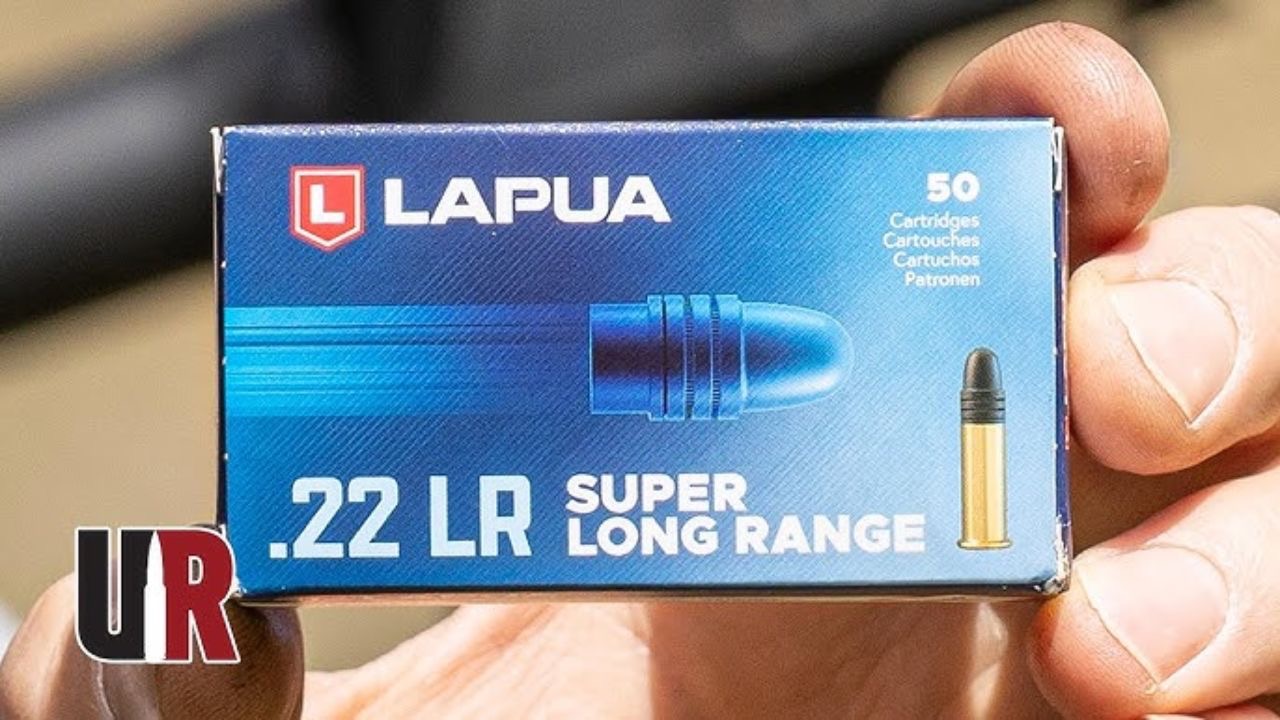
The .22 Long Rifle sits at the top of the list because it balances control, noise, and terminal performance better than almost anything else. A USDA Wildlife Services report on urban pest management notes that common high-velocity .22 LR loads run around 1,200 feet per second, which keeps energy modest while still giving reliable penetration on skunks and opossums at backyard distances.
That same USDA guidance points out that, with standard 36 to 40 grain hollowpoints, .22 LR tends to stop inside small-bodied animals or exit with limited remaining energy. For homeowners and farmers working near barns, kennels, or fence lines, that reduced risk of dangerous pass-throughs is a big deal, especially at night when you may not see what is behind the target.
2. .17 Hornady Magnum Rimfire
The .17 Hornady Magnum Rimfire was built for small varmints, and its ballistics line up neatly with skunk and opossum work. A detailed rimfire review pegs typical .17 HMR loads under 200 foot-pounds of energy, with light 17 grain bullets that fly flat but shed momentum quickly once they hit fur and tissue.
Because those polymer-tipped bullets tend to fragment on impact, they are far less likely to exit an opossum with enough steam to threaten a shed wall or neighbor’s siding. In practical terms, that means you can take precise shots out to 100 yards on a calm night while still keeping overpenetration risk lower than many heavier .22-caliber options.
3. .22 Winchester Magnum Rimfire
The .22 Winchester Magnum Rimfire adds power over .22 LR, but modern varmint loads keep it manageable around structures. Gel testing summarized in an American Rifleman-style evaluation shows common 40 grain hollowpoints starting around 300 foot-pounds at the muzzle, then breaking up fast in small animals and stopping in less than 12 inches of tissue.
For skunks and opossums, that means you get decisive hits and quick anchors without the long wound tracks associated with heavier centerfire rounds. I see .22 WMR as a solid choice for folks who want more reach than .22 LR but still need bullets that dump energy early instead of zipping through and carrying on into the dark.
4. 5mm Remington Rimfire Magnum
The 5mm Remington Rimfire Magnum is a niche round, but its modern loads are surprisingly well suited to tight quarters. A rimfire test that included subsonic 5mm RFM options found penetration in gel limited to roughly 6 to 8 inches, even though the bullets still expanded reliably at backyard ranges.
That shallow penetration window is exactly what you want when you are shooting around metal buildings, tractors, or parked vehicles. You get enough depth to reach the vitals of a skunk or opossum from most angles, yet the bullet is unlikely to exit with meaningful energy if you misjudge the backdrop by a few inches.
5. .17 Mach IV
The .17 Mach IV, a classic wildcat, runs light 20 grain bullets at about 1,500 feet per second in reduced varmint loads, according to a varmint-focused report. At those speeds, the tiny projectiles expand violently on impact, which sharply limits penetration in thin-bodied animals like skunks.
That explosive behavior also cuts down on ricochet risk in populated areas, since there is rarely a solid core left to skip off gravel or frozen ground. For landowners who already have a .17 Mach IV in the safe, loading it to these moderate velocities turns it into a very controlled tool for night work around barns and poultry runs.
6. .22 Hornet
The .22 Hornet is one of the mildest centerfire varmint rounds, and modern lightweight loads make it even more backyard friendly. A recent ballistic study highlights 35 grain bullets at roughly 2,600 feet per second that are engineered to expand rapidly in small game, dumping most of their energy inside opossum-sized targets.
Because those bullets tend to fragment rather than hold together, pass-throughs on skunks and opossums are uncommon when shots are placed through the chest. That gives rural homeowners a centerfire option that still respects nearby houses, livestock, and equipment, while offering better wind performance than rimfire choices at the same ranges.
7. .17 Remington Fireball
The .17 Remington Fireball trims velocity and energy compared with larger .17 centerfires, which helps keep it manageable around buildings. A detailed urban varmint guide notes that common loads are tuned to about 150 foot-pounds at practical pest-control distances, with bullets designed to yaw and tumble quickly once they enter tissue.
That tumbling behavior shortens the wound path and encourages the bullet to stop inside the animal rather than exiting with a narrow, high-velocity channel. For skunk control near kennels or horse barns, that combination of precision, modest energy, and controlled penetration makes the Fireball a smart, if somewhat specialized, choice.
8. .204 Ruger
The .204 Ruger is often associated with long-range prairie dog shooting, but frangible loads tame it for closer work. Testing summarized in an Outdoor Life-style report shows that lightweight, highly frangible bullets in this caliber typically penetrate no more than about 10 inches in gel when driven at moderate speeds.
On opossums, that means the bullet usually expends itself inside the chest cavity, with little risk of a full-power exit. Hunters who already rely on .204 Ruger for coyotes can keep a magazine of these softer loads on hand for skunks around the farmyard, gaining a safer option when backstops are marginal.
9. .22-250 Remington
The .22-250 Remington has a reputation for blistering speed, but reduced-velocity varmint loads change its behavior dramatically. According to an NRA-style handbook, dialing it back to roughly 2,000 feet per second with light bullets encourages rapid fragmentation on impact, especially in small animals like skunks.
Instead of drilling long, overpenetrating wound channels, these reduced loads tend to break into small pieces that stop quickly in tissue or soft ground. For shooters who already own a .22-250 for coyotes or groundhogs, that makes it possible to handle close-range pest work without switching rifles, as long as they pick the right ammunition.
10. 6mm PPC
The 6mm PPC started as a benchrest cartridge, but some hunters have adapted it for small game with carefully tuned loads. A precision-rifle analysis describes 6mm PPC varmint rounds running around 1,800 feet per second, which is slow enough that light bullets expand and stop quickly in opossum-sized animals.
Those loads typically produce minimal exit wounds, especially with thin-jacketed bullets designed for target work that come apart in tissue. For landowners who already shoot 6mm PPC in competition, loading a soft, mid-speed round gives them a dual-purpose rifle that can handle occasional pest duty without excessive penetration risk.
11. .17-223
The .17-223 wildcat necks down a .223 case to .17 caliber, creating very high velocities with tiny bullets. A field feature on this cartridge reports typical speeds around 3,000 feet per second with polymer-tipped projectiles that are intentionally fragile when they hit fur and bone.
On skunks, those bullets tend to explode on contact, leaving little mass to continue downrange. That trait is valuable when you are shooting across short pastures or along driveways, where a traditional .223 soft point might exit and carry on toward a road, a barn, or a neighbor’s yard.
12. .25-20 Winchester Single Shot
The .25-20 Winchester Single Shot is an old-timer, but its mild ballistics still make sense for close-range pest control. A historical cartridge review notes that many traditional loads stay under 100 foot-pounds of energy at typical barnyard distances, with slow, soft bullets that rarely penetrate more than about 4 inches in test media.
On opossums taken at very short range, that shallow penetration is usually enough to reach the vitals while sharply limiting the chance of a full-power exit. For folks running vintage rifles around outbuildings, the .25-20 offers a quiet, low-recoil option that respects thin walls and crowded farmyards.
13. .218 Bee
The .218 Bee rounds out the list as a small centerfire that behaves more like a hot rimfire in the field. A classic-cartridge profile describes 46 grain bullets at roughly 1,800 feet per second, which are known to expand fully in small mammals such as skunks rather than punching straight through.
That full expansion burns off energy quickly, so even when there is an exit, it tends to be low-energy and localized. In lever guns like the Winchester Model 65, the .218 Bee gives rural shooters a handy, low-recoil rifle that can handle nighttime skunk duty without the overpenetration worries of larger .22 centerfires.

Asher was raised in the woods and on the water, and it shows. He’s logged more hours behind a rifle and under a heavy pack than most men twice his age.