Once overlooked, this “ugly” fish is now a favorite among Michigan anglers
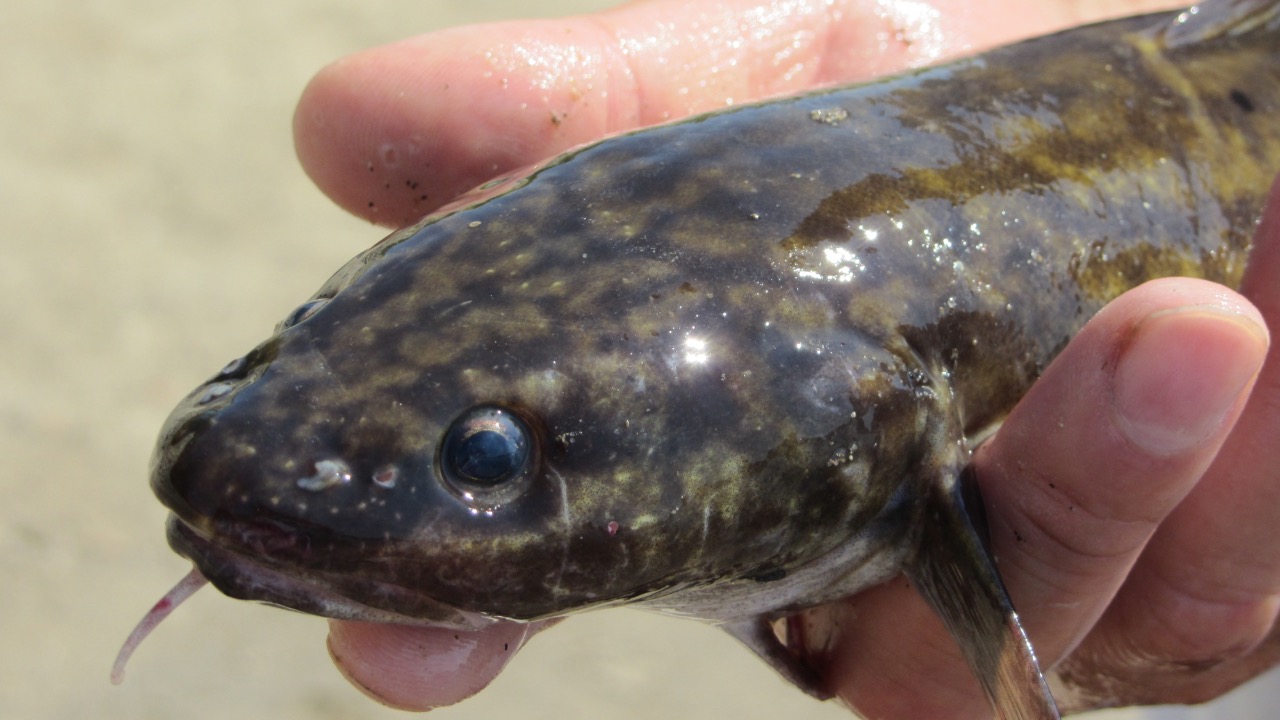
For years, you probably swam past it without a second thought. Maybe you even wrinkled your nose at it. The burbot — often called eelpout — never had the sleek look of a smallmouth or the silver flash of a steelhead. It’s long, mottled, and whiskered, more like something you’d expect in saltwater than under the ice of the Great Lakes.
But times change. Across Michigan, more anglers are targeting burbot on purpose. What was once an afterthought is now a winter staple and a bucket-list catch for hardwater regulars. Spend a night chasing them and you’ll understand why this so-called “ugly” fish has earned a second look.
It Thrives in the Cold When Other Fish Slow Down

Burbot are built for winter. While many species grow sluggish under thick ice, burbot become active and aggressive. In lakes across northern Michigan, they move shallow after dark, cruising rocky flats and reefs when the water temperature dips.
That timing changes everything for you as an angler. Instead of waiting for spring, you can fish confidently in January and February knowing the bite may actually improve with colder conditions. On waters connected to Lake Michigan and Lake Huron, burbot activity peaks when most people assume fishing is slow. That winter window is a big reason they’ve gained serious traction.
They Fight Harder Than You Expect
You don’t expect much when you hook a fish that looks like a freshwater eel. Then the rod loads up, and you realize you misjudged it. Burbot twist, surge, and use their length to create leverage under the ice.
In deeper lakes, especially around rocky structure, they’ll bulldog toward bottom and wrap you around anything they can find. That steady pull feels more like lake trout than panfish. When you finally slide one onto the ice, it’s thick through the shoulders and heavier than it looked on sonar. That surprise factor keeps you coming back.
The Table Fare Reputation Finally Caught Up
For decades, burbot suffered from poor branding. Somewhere along the way, anglers started calling them “poor man’s lobster,” and the nickname stuck for a reason. The meat is firm, white, and mild.
When you trim away the darker lateral line and cook the tail sections properly, you end up with clean fillets that hold together well. In northern Michigan fish fries, burbot now sit alongside walleye without apology. Word spread slowly, but once more anglers tasted them fresh from cold water, the perception shifted fast.
Night Fishing Adds a Different Kind of Challenge
Targeting burbot forces you to rethink your routine. They’re primarily nocturnal, which means you’re setting tip-ups or jigging spoons long after sunset. The quiet of a frozen lake at midnight changes the whole experience.
You’ll hear ice shifting, see headlamps glowing in the distance, and feel that subtle tap turn into steady weight. It’s not a numbers game; it’s about patience and timing. That after-dark rhythm appeals to anglers who want something beyond daytime perch runs. The process itself has become part of the appeal.
They’re Native, Not Novel
Unlike some popular species, burbot belong here. They’re the only freshwater member of the cod family, and they’ve occupied the Great Lakes basin long before modern sport fishing took shape.
Knowing you’re catching a native predator gives the pursuit a different feel. You’re not chasing a stocked curiosity. You’re tapping into a piece of Michigan’s natural history. In places like Grand Traverse Bay, burbot have always been present. Anglers simply decided to pay attention.
They Fill a Late-Winter Gap
Late winter can be tough. Walleye get moody. Perch schools scatter. Cabin fever sets in. Burbot give you a clear target when other bites fade.
Because they move shallow to spawn under the ice, you can focus on specific structure and fish with purpose. That reliability has built a following among anglers who want something dependable in February. Instead of waiting for spring thaw, you’re drilling holes with a plan and a species in mind.
Social Media Helped Change Their Image
A decade ago, few anglers posed proudly with a burbot. Now you see them across Michigan fishing pages, thick-bodied fish stretched across the ice under LED lights.
Photos travel fast. As more anglers shared catches and cooking tips, curiosity replaced skepticism. The fish didn’t change — the audience did. What once got tossed back without a thought is now photographed, filleted, and talked about all winter long.
They Reward Anglers Who Put in the Time
Burbot aren’t accidental trophies anymore. The anglers who consistently catch them study structure, understand timing, and fish after dark when others pack up.
That effort creates ownership. When you land one, you know you targeted it intentionally. It wasn’t luck. That shift — from bycatch to planned pursuit — might be the biggest reason burbot now hold a respected spot among Michigan anglers.
What used to be dismissed as ugly now represents winter opportunity, good eating, and a reason to stay on the ice a little longer.

Asher was raised in the woods and on the water, and it shows. He’s logged more hours behind a rifle and under a heavy pack than most men twice his age.