The hidden costs of bad gun purchases
Buying a gun is one of those decisions that feels straightforward until the receipts start piling up. The sticker price on the tag is only the opening bid, and the wrong choice can lock you into years of extra spending, frustration, and gear you never really needed. The real story is not just about unsafe firearms, it is about how poor decisions at the counter, at a gun show, or online quietly drain a household budget.
I have watched new shooters burn through paychecks on pistols that do not fit, rifles they never shoot, and bargain gear that fails when it matters. The hidden costs of a bad gun purchase show up in training, accessories, resale value, and even legal risk, and they are almost always avoidable with a little homework and some honest self assessment.
When the “wrong gun” keeps costing you money
The most expensive firearm in your safe is usually the one you never should have bought in the first place. New owners are especially prone to starting with the wrong platform or caliber, then spending more money trying to force it to work for their needs. Reporting on Common mistakes points out that starting with the wrong firearm often leads to a quick trade or sale at a loss, which means you effectively pay twice to end up with one workable gun.
That mismatch can be physical or practical. A compact handgun that is too small for your hands, or a magnum revolver that punishes you on the range, will push you to buy a second gun that is actually shootable. A heavy rifle that seemed cool in the shop may never leave the closet once you realize it is a poor fit for your local hunting or home defense realities, a pattern echoed in guidance on Avoid When Buying a firearm. Once that gun walks out of the store, it is used, and as one detailed Handguns guide notes, you take an immediate hit on resale value the moment the box crosses the threshold.
Training, ammo, and the “cheap gun” that is not cheap
Plenty of buyers try to save money by skipping formal instruction and buying the least expensive pistol or rifle on the shelf. That shortcut usually backfires. Coverage of new owner errors highlights that Skipping proper training leaves people with gear they cannot run safely or effectively, which often leads to more wasted ammunition and remedial classes later. Formal firearm safety training, described in that same reporting as Formal instruction, is not free, but it is far cheaper than a negligent discharge, a missed shot in a crisis, or a lawsuit.
Then there is the ongoing cost of feeding the gun. A detailed breakdown of ownership expenses notes that Ammo is one of the biggest hidden fees, because competence requires regular practice, not a single box of cartridges a year. If you pick a caliber that is hard to find or unusually expensive, the “cheap” gun can become the priciest firearm you own over a few seasons of range time.
Accessories, holsters, and the gear spiral
Once the gun is home, the real spending often begins. A detailed cost breakdown from a community of new shooters lists a Retention Holster as running between $25 to $100, with an average of $50, and that is before you decide whether you want to carry Inside the Waist or Outside the Waist. Add a Tactical Belt that ranges from $0 to $50 and a Red Dot Sight that can easily run into the hundreds, and the accessory bill can rival the cost of the firearm.
On the long gun side, pistol caliber carbines and similar platforms often rely on proprietary magazines. A detailed home defense guide notes that many SMG style magazines are proprietary, which drives up price and can make them hard to find. That same analysis points out that, However, some platforms that share magazines with common pistols can soften the blow. If you buy a gun that demands rare or expensive accessories, you are signing up for a long term gear tax every time you want a spare mag or a new holster.
Gun shows, used guns, and the price of impatience
Gun shows can be great places to find deals, but they are also where impatience and poor inspection habits get expensive. Guidance on show pitfalls warns that buyers often end up Paying collector money for guns that do not have clear provenance or correct parts. Another section of that same reporting notes that if you cannot calmly list the problems you are accepting with a used gun, you should set it down and walk away, a reminder that emotion at the table is what turns a fair price into a bad investment.
Used guns can be smart buys, but only if you know what you are looking at. A detailed guide to secondhand purchases warns that visible Scratches, worn finish, or dings in the stock can indicate hard use or poor care, and that a heavily used firearm is a sure sign of future disappointment. Another buying guide on how to choose a gun notes that Selecting the Right requires careful inspection of function and fit, and adds that, But many people skip that step in the rush of a show environment. When you ignore those red flags, the hidden cost shows up later in gunsmith bills or a rifle that never quite groups the way it should.
Online marketplaces and the risk you cannot see
Buying online can open up the whole country’s inventory, but it also adds layers of risk and cost that are easy to overlook. A long running discussion of internet purchases points out that the sender on a sale does not need to be an FFL, which means you are relying heavily on the honesty and competence of a stranger. One user, Skov, reports buying five or six guns on Gunbroker without issue, but that kind of success depends on careful vetting of sellers, clear photos, and a willingness to walk away if something feels off.
On top of that, every online purchase comes with transfer fees, shipping, and sometimes insurance, all of which add to the real price of the gun. A broader look at personal finance warns that Hidden costs that slip through the cracks can quietly chip away at your money, and gun buying is no exception. If you are not adding those line items into your comparison shopping, the “deal” online may end up more expensive than the gun sitting in your local shop’s case.
Brand reputation, lemons, and guns that lose value overnight
Not all brands are created equal, and ignoring that reality can be brutally expensive. A detailed warning on struggling manufacturers, framed under the banner of Buyer Beware, lists Firearm Brands Struggling and warns that the gun in your safe that has run “just fine” for years might still be part of a pattern of recalls or failures. When a brand’s reputation tanks, resale value follows, and you can find yourself holding a pistol or rifle that nobody wants to buy at any reasonable price.
The broader market can shift under your feet as well. A widely shared video analysis bluntly tells viewers, “look I am about to save you thousands of dollars maybe tens of thousands,” before explaining that the gun market has gone through a major correction and that Jun was a turning point for certain overhyped models. That same creator warns viewers in a separate upload titled 20 Guns Are that some firearms which once commanded premium prices are now nearly unsellable. If you chase trends instead of proven designs, you risk parking your money in guns that collapse in value the moment the next wave of hype rolls in.
Safes, storage, and the cost of cutting corners
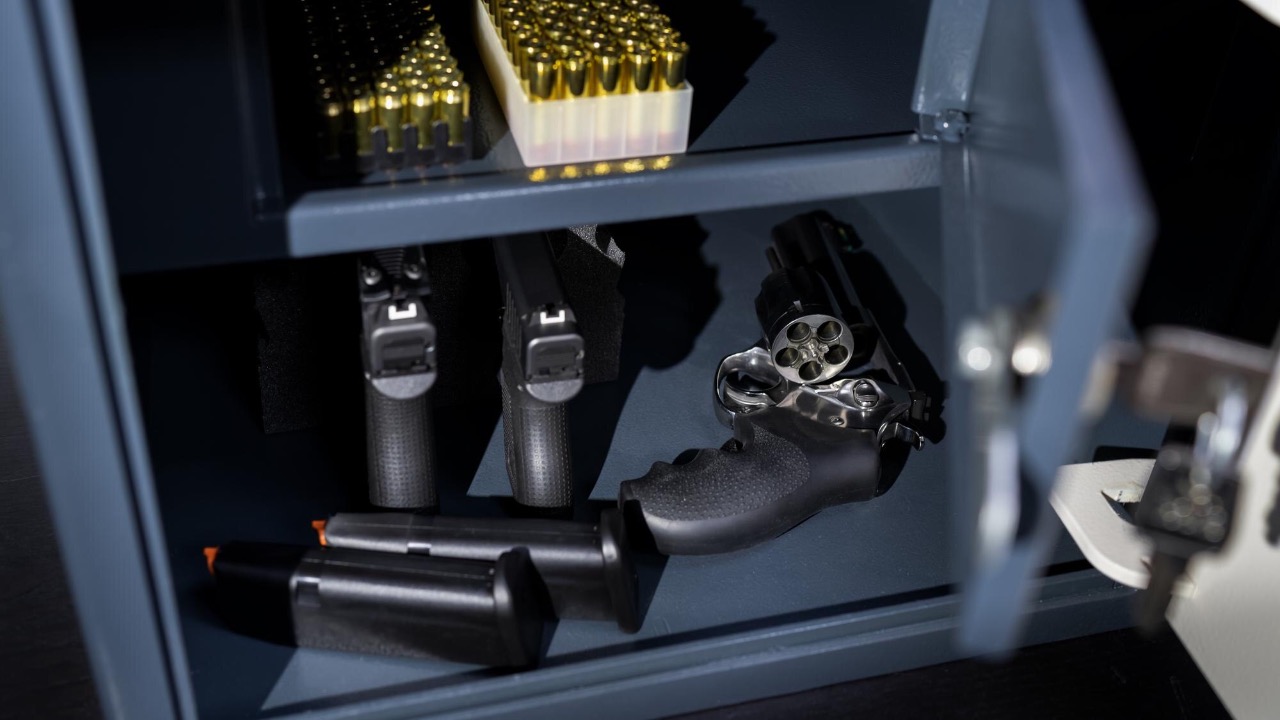
Safe storage is not optional, and it is not cheap. A detailed breakdown of ownership expenses notes that storage costs money, and that secure options are part of the hidden fees first time buyers often overlook in their What to budget for. A flimsy lockbox might satisfy a quick legal requirement, but it does little to protect against theft, fire, or curious kids, and replacing stolen guns is far more expensive than buying a proper safe up front.
Security experts who specialize in vaults warn that the financial cost of choosing an unreliable safe can be far greater than the initial investment in a quality model. One analysis of brands to avoid notes that The financial cost of a low quality safe includes not only the price of replacing the unit itself, but also the potential loss of firearms and other valuables if the container fails. When you factor in insurance deductibles, police reports, and the emotional cost of having your guns used in crime, the “savings” from a bargain safe evaporate quickly.
Fake guns, bad fits, and safety risks that hit your wallet
Some people try to sidestep the cost of a real firearm by buying a replica or blank firing gun for self defense. That choice can be dangerous and expensive. A detailed warning project on imitation weapons notes that Many individuals who resort to fake firearms for self defence lack proper training in safety and conflict mitigation, which increases the likelihood of accidents or unintended harm. Legal trouble from brandishing a fake gun in a real confrontation can easily dwarf the cost of a quality defensive handgun and training.
Even with real firearms, poor fit and unrealistic expectations can create their own kind of risk. A guide for adult buyers notes in its Customer Feedback Synthesis that some semi automatics require a break in period to cycle properly and that Plastic components on budget firearms can be weak points. When a gun is finicky or uncomfortable, owners are less likely to train with it, which undermines safety and performance. As one handgun guide bluntly puts it, Unlike clothes that do not fit, you cannot return a firearm after you walk out of the store, so you are stuck with the bill for a weapon that does not meet your needs.
Planning a gun budget like any other big purchase
The smartest gun buyers treat the process like buying a used truck or a piece of farm equipment. They start with a clear use case, then build a budget that includes training, ammunition, storage, and accessories. A detailed guide on show buying reminds readers that Along with the gun, you may need secure storage, ammunition, optics, and other accessories, and that While these items are not on the price tag, they are guaranteed to add up. Financial planners echo that advice, warning that tracking every recurring cost prevents unnecessary strain on your budget, the same logic that applies to firearms and gear.
Good planning also means being honest about risk. A high profile political voice once argued that, You know, the evidence is clear that more guns in the wrong hands lead to terrible incidents, a reminder that every firearm carries potential legal and moral costs along with the financial ones. A comprehensive handgun guide reinforces that Handguns are expensive, even more so when you add ammunition and accessories, so it makes sense to slow down, research, and buy once instead of paying repeatedly for rushed decisions.

Asher was raised in the woods and on the water, and it shows. He’s logged more hours behind a rifle and under a heavy pack than most men twice his age.