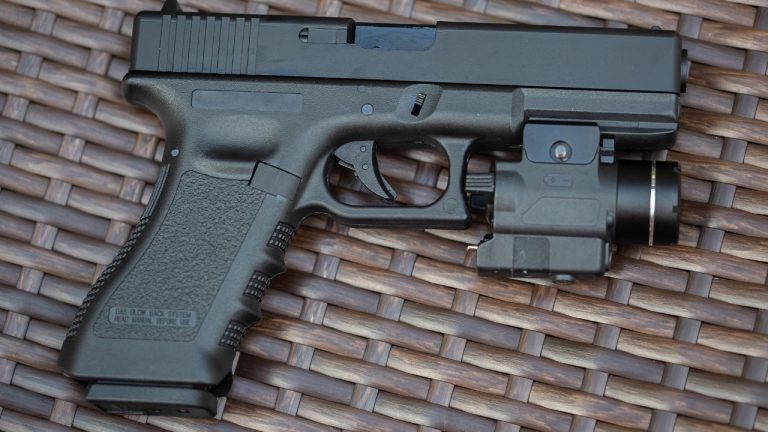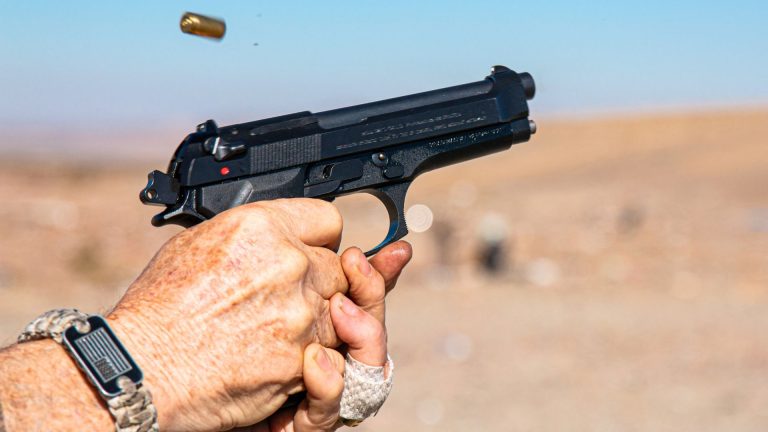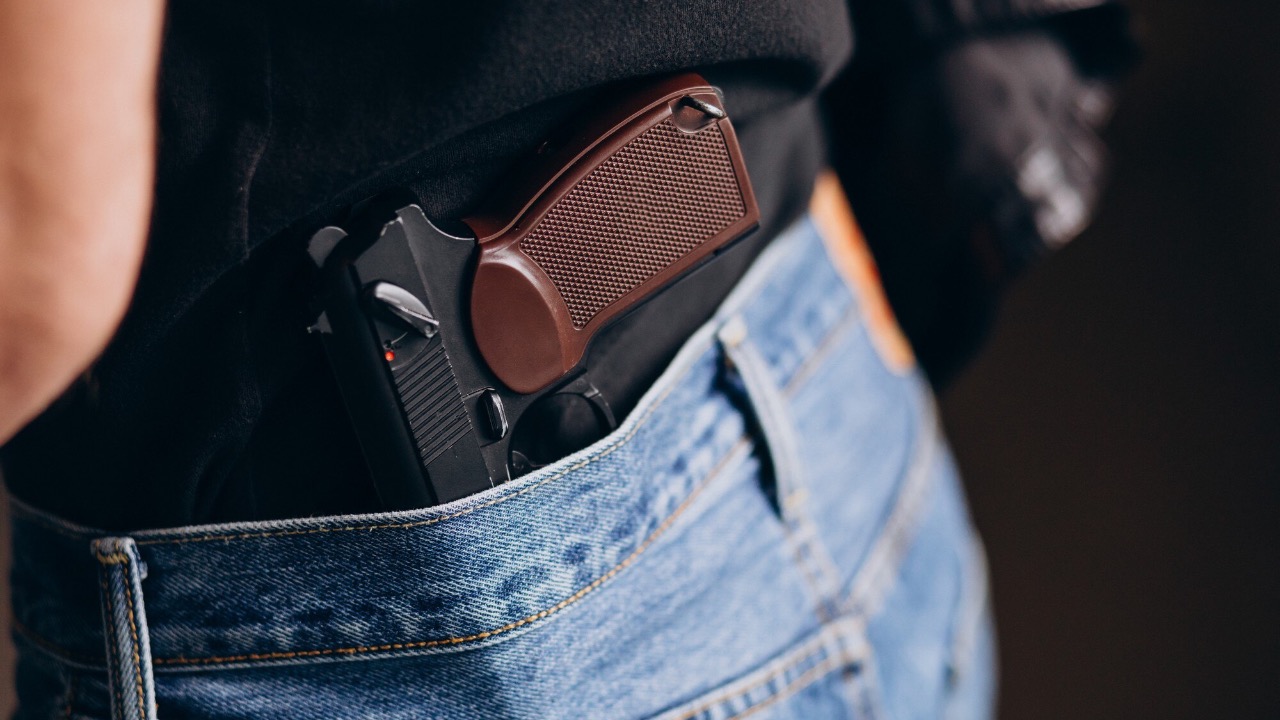
The hidden risks of carrying every day that few talk about
Everyday carry has shifted from a niche hobby to a mainstream identity, especially for people who keep a handgun on their belt or a knife in their pocket. Behind the talk of gear, calibers, and holsters lies a quieter story about psychological strain, legal traps, and small daily hazards that accumulate over time. The hidden risks are not just about a worst-case encounter, but about how carrying shapes a person’s mind, habits, and safety from the moment they get dressed to the moment the gun or knife goes back in the safe.
For many, the decision to carry grows out of genuine concern about crime and a desire to protect family. Research on anxiety, real-world mishaps, and common mistakes, however, suggests that the burden of carrying every day is heavier than many enthusiasts admit in public. Understanding that burden is the first step toward managing it.
The quiet psychological load of carrying every day
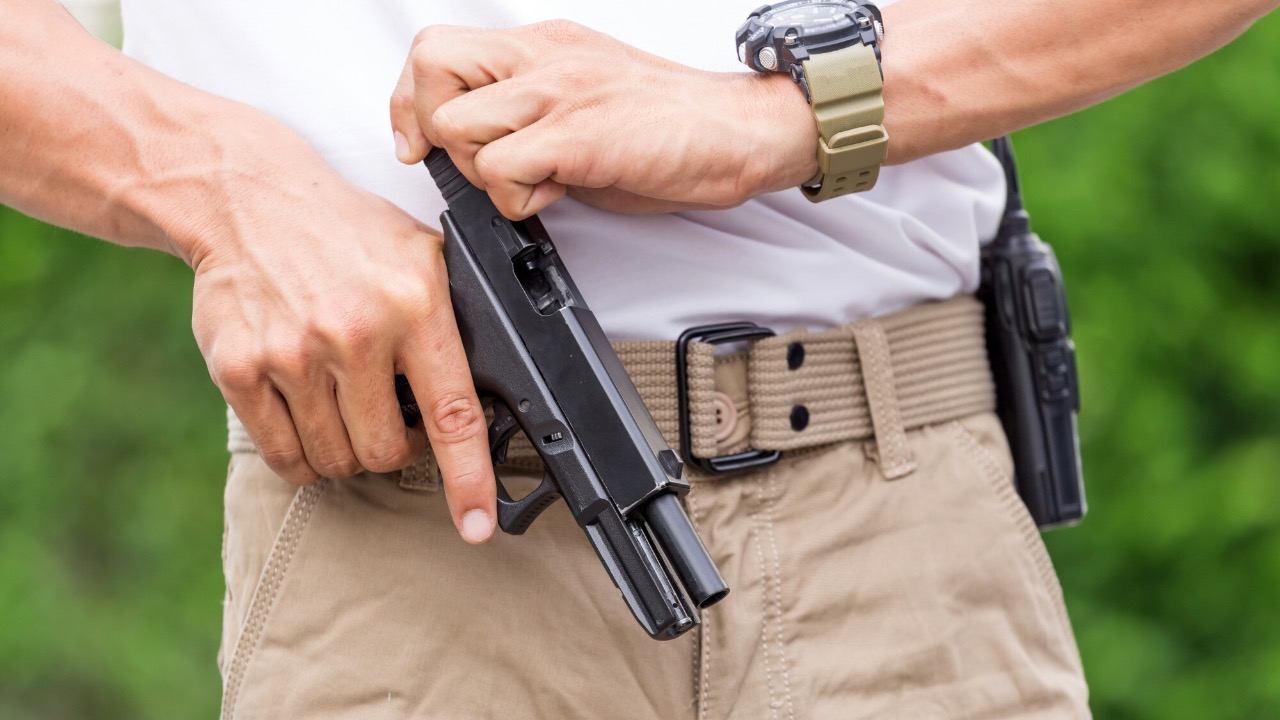
Living with a weapon on the hip changes how a person reads the world. One large study of adults in the United States found that approximately 40 to 45% report living in a household with a firearm and approximately 30% report personally owning one. The researchers linked gun ownership to heightened threat perceptions and less stable anxiety, suggesting that the decision to arm for protection can also keep the brain on a hair trigger.
That constant sense of potential danger can feel like vigilance, yet it can also slide into hypervigilance. Everyday errands, from a grocery run to a school pickup, are mentally reframed through the lens of where a threat might appear and how quickly a person could draw. Over months and years, that mindset can feed chronic stress, especially for those who already struggle with anxiety disorders, as the same research connects firearm presence with fluctuating worry rather than calm security.
Psychology-focused reporting on gun ownership has described how, as the COVID pandemic unfolded and sales spiked in the United States, some new owners discovered that their guns did not simply relieve fear. Instead, the added responsibility sometimes magnified it. Analyses of how owning a gun raises anxiety describe people who bought firearms to feel safer but then found themselves more preoccupied with break-ins, accidents, and worst-case scenarios, a pattern highlighted in coverage of gun ownership anxiety.
“The Emotional Weight of Carrying” is not just a slogan
Instructors who work with new carriers often talk about what one training provider calls The Emotional Weight of Carrying. Their guidance stresses that when a person straps on a handgun before leaving the house, that individual is accepting the possibility of using lethal force and living with the moral and legal aftermath. A detailed discussion of this mental shift explains that a firearm on the belt is not just a tool, it is a constant reminder of worst-case decisions, and that people need to learn how to mentally for daily carry.
That preparation goes beyond marksmanship. It includes rehearsing whether one is truly willing to shoot to defend a stranger, how to cope if a round injures a bystander, and how to handle the scrutiny of a criminal investigation even if the use of force is justified. Without that work, the weight of the gun can sit in the background as a low-level dread, surfacing as irritability, insomnia, or avoidance of crowded places.
Some carriers also experience a shift in self-image. Resources on the psychological effects of concealed carry describe a Sense of Empowerment that can be healthy or corrosive depending on the person. Carrying a weapon can increase confidence and reduce feelings of vulnerability, but for a subset of people it can also feed aggression or a temptation to wade into conflicts they might otherwise walk away from. That ambivalence is one of the least discussed aspects of everyday carry culture.
Behavior traps that turn routine into danger
Once the initial novelty fades, the biggest risks often come not from dramatic confrontations but from everyday shortcuts. A detailed look at Behaviors When Concealing a Firearm notes that people who carry for months or years start to cut corners. They adjust a holster in public, they pocket a gun without a proper holster for a quick errand, or they handle the weapon more than necessary, all of which increase the chance of a negligent discharge. One analysis of the Dangers of Carrying Concealed warns that comfort and familiarity can erode discipline and that a person who feels “too experienced” is sometimes the one who forgets a chambered round or sweeps a friend with the muzzle while reholstering, a pattern illustrated in coverage of concealed carry behaviors.
Insurance specialists who track firearm incidents point to the same pattern. A review of accidental discharge claims notes that in the United States, 46,728 people died from firearm injuries in a recent year, a figure that includes homicides, suicides, and accidents. The discussion of Understanding the Risks and Responsibilities of Concealed Carry highlights that many unintentional shootings happen during mundane acts like cleaning, loading, or holstering, not during dramatic self-defense scenarios. The message is blunt: routine is where people get hurt, and daily carriers are immersed in routine more than anyone else.
Even simple comfort tweaks can have consequences. A carrier who shifts a gun to a softer inside-the-waistband position while driving a 2018 Honda Civic might unknowingly angle the muzzle toward the femoral artery. Another who tucks a small pistol into a hoodie pocket for a quick walk with the dog may skip the holster entirely, trading comfort for the risk that keys or a phone snag the trigger.
Legal minefields: knives, permits, and “non-permissive” spaces
Everyday carry does not stop at guns. Knife enthusiasts and people who rely on a blade for work or self-defense face their own legal maze. Guides on knife safety stress that Knife Laws Vary By State and that self-defense claims can hinge on blade length, opening mechanism, and where the knife is carried. A folding knife that is legal in Tennessee might trigger charges in New York if carried concealed in a pocket, a discrepancy explored in resources on knife law variation.
More detailed legal breakdowns describe Common Penalties for unlawful knife carry. Fines are common, and many states escalate repeat violations into Misdemeanor Ch level charges or even felonies, with imprisonment on the table. A person who clips a small automatic knife inside a backpack for everyday utility may not realize that crossing a state line for a weekend trip has turned a tool into contraband, as explained in analyses of state knife penalties.
Firearm carriers face similar traps. Everyday Carry Rules You Should Know guides emphasize rule number one: know the laws. That includes whether a state honors an out-of-state permit, which buildings count as “non-permissive environments,” and how private property signs interact with trespassing statutes. Tactical advice for such non-permissive environments warns that if someone knows a person is carrying, it is prematurely introduced into every encounter and every interaction going forward, which can escalate even minor disputes.
Even something as simple as a bathroom break can become a legal and safety problem. One practical checklist on everyday concealed carry points out that you never know when nature will call, and that people have left guns on toilet tanks or in stalls, only to face both criminal charges and the nightmare of a lost weapon. The more days in a row someone carries, the more chances there are for this kind of ordinary slip.
Paperwork, permits, and the 32 mistakes people keep making
Training companies that see thousands of students each year have compiled long lists of recurring errors. One guide catalogs How To Avoid 32 Of The Most Common Concealed Carry Mistakes, starting with Forgetting Your CCW Permit At Home. The author notes that in some jurisdictions, being armed without the physical permit in a wallet can lead to arrest even if the person is otherwise qualified, a risk spelled out in advice on how to avoid.
Other entries in that list are just as mundane. People fail to rotate ammunition and end up carrying corroded rounds that may misfire. They neglect regular function checks, so a compact pistol rides in a Kydex holster for months without anyone noticing a broken sight or weakened magazine spring. A separate rundown of 10 Biggest Mistakes in Carrying A Handgun notes that a firearm is a mechanical tool, and that dust, dirt, sweat, and lint from daily carry can work their way into the action, turning a trusted defensive tool into an unreliable one.
Holstering itself is another overlooked hazard. A widely shared warning calls holstering a handgun the most dangerous thing many carriers do every day. The act feels routine, but a shirt tail or jacket drawstring can slip inside the trigger guard as the gun seats in the holster. If the trigger is pressed even slightly, a round can fire into a leg or hip at point-blank range. Trainers urge carriers to slow down, visually confirm a clear holster mouth, and reholster with deliberate care instead of a quick, blind shove.
Sensory overload, comfort, and the temptation to over-carry
Beyond the legal and mechanical risks sits a more subtle one: carrying too much. Everyday carry culture often celebrates The Latest and Greatest gadgets, from multi-tools and flashlights to backup guns and trauma kits. A reflective essay on EDC describes how usually small multi-use tools seem harmless, yet piling them into pockets and waistbands can create Sensory Overload. Even enthusiasts who love gear admit that sensor fatigue and physical discomfort can make them more likely to fidget, adjust, or remove items in public, which in turn increases the chance of exposing a concealed weapon, as discussed in a piece on everyday carry gear.
That discomfort has practical consequences. A driver with a compact pistol, spare magazine, folding knife, and flashlight all stacked inside the waistband of a 2020 Toyota Tacoma might unconsciously lean away from the seat belt, reducing crash safety. Someone whose belt digs into the hip all day may decide to unclip the holster while sitting in a coffee shop, then forget to reattach it before heading to the restroom.
Guides on EDC rules often advise people to start with the bare minimum and then add items only when a clear need appears. The Top Everyday Carry Rules You Should Know place simplicity high on the list, arguing that fewer, better-chosen tools reduce both physical strain and decision fatigue. That advice runs counter to social media feeds that reward elaborate pocket dumps, yet it aligns with what many long-time carriers quietly practice.
Why training and mental rehearsal matter more than gear
When experts talk about safer carry, they return repeatedly to mindset and repetition. Psychological analyses of concealed carry list several mental effects that can emerge, from a Sense of Empowerment to increased anxiety. Healthy carriers, they argue, consciously cultivate humility and restraint so that carrying a weapon does not become a shortcut to authority in everyday conflicts, a theme explored in discussions of psychological effects.

Leo’s been tracking game and tuning gear since he could stand upright. He’s sharp, driven, and knows how to keep things running when conditions turn.