The Most Common Handgun Malfunctions — And What Causes Them
Handguns are engineered to run through a precise cycle of operations, yet even well made pistols sometimes stumble. When they do, the same handful of stoppages tend to appear again and again, usually for predictable reasons tied to ammunition, maintenance or shooter technique. Understanding what actually causes those common failures is the first step toward preventing them on the range or in a defensive emergency.
Modern designs are far more reliable than the service pistols of previous generations, but no mechanical system is immune to dirt, worn parts or out of spec cartridges. By breaking down the most frequent handgun malfunctions and tracing each one back to its root causes, shooters can turn mysterious jams into solvable problems instead of dangerous surprises.
Why Handguns Malfunction In The First Place
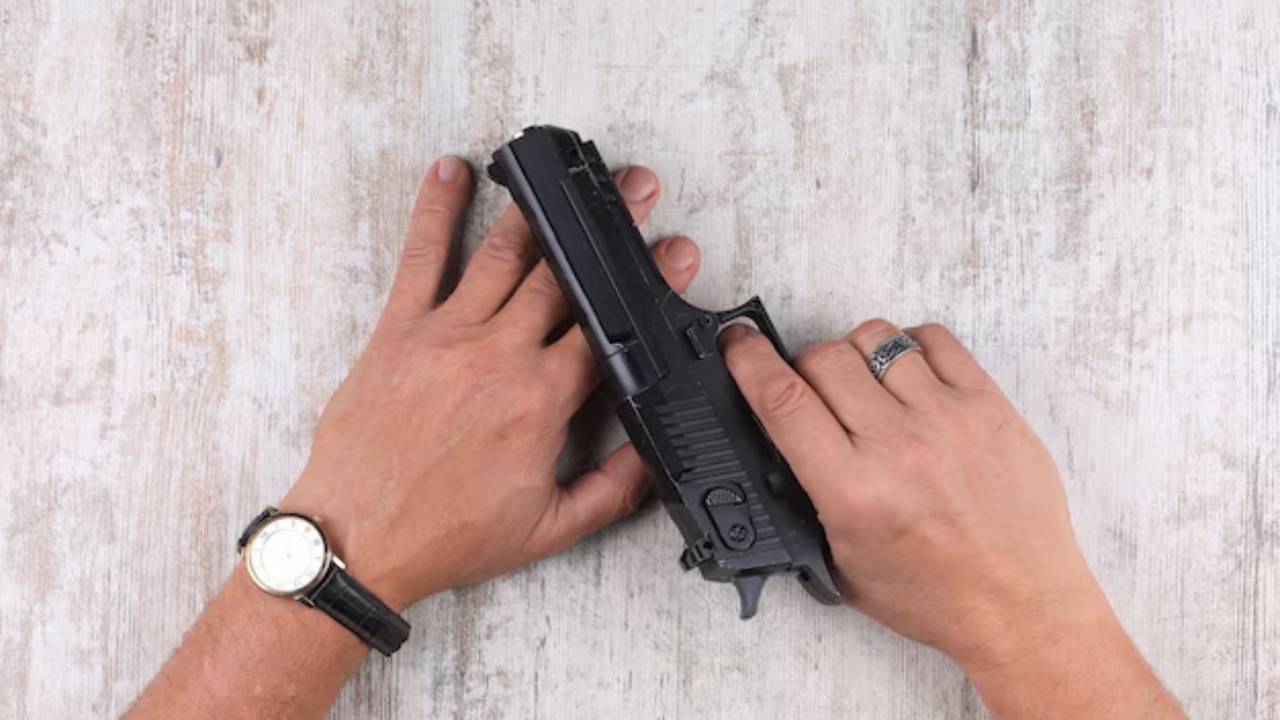
Every semi automatic pistol depends on a chain of steps that includes feeding, chambering, firing, extracting and ejecting. If anything interrupts that sequence, the result is a stoppage rather than a shot. Training material on handgun reliability points to ammunition issues, poor maintenance and mechanical wear as leading culprits, with shooter induced problems such as an unstable grip close behind. One guide on why gun malfunctions happen notes that ammunition issues often begin with using the wrong cartridge for the firearm or relying on low quality loads that do not generate consistent pressure.
Cheap or defective cartridges can produce weak ignition, inconsistent case dimensions or damaged rims, any of which can keep a round from chambering or ejecting cleanly. A separate overview of ammunition issues stresses that using the wrong ammo or low quality rounds can cause jams or misfires, especially with rimfire or hand loaded cartridges that fall outside standard specifications. On the mechanical side, instructors describe how parts wear out, springs lose tension and dirt and grime build up when owners neglect cleaning and lubrication, all of which increase friction and slow the slide until the pistol no longer cycles as designed.
Failure To Fire, Misfires And Squib Loads
Failure to fire is the simplest malfunction and often the most unsettling, since the trigger is pressed and nothing happens. Training resources on common handgun malfunctions define a misfire or failure to fire as a situation where the firing pin strikes the cartridge but the gun does not discharge. Causes range from bad primers and degraded powder to light hammer strikes caused by worn springs or internal fouling. One legal analysis of common types of gun defects lists failure to fire or misfire, sometimes called a dud, as a primary defect category alongside case head separation and delayed discharge.
Squib loads sit at the extreme end of this spectrum. Safety guidance on types of gun malfunctions explains that squib loads are the most extreme cases of a failure to fire, because the primer or powder charge is so weak that the bullet can lodge in the barrel instead of exiting. If a shooter does not recognize the soft report and reduced recoil and then fires another round, the second bullet can strike the obstruction and rupture the barrel, a scenario instructors describe as incredibly dangerous and not advised. Because of that risk, many trainers urge shooters to stop immediately if a shot feels or sounds off and to check the bore before resuming fire.
Failures To Feed, Extract And Eject
Failures to feed dominate many malfunction logs, especially among newer shooters. One diagnostic guide on failure to feed notes that a large majority of these stoppages trace back to the magazine, including weak magazine springs, damaged feed lips or dirt that slows the follower. A separate troubleshooting resource defines failure to feed as a round that does not properly enter the chamber and points to weak magazine springs, a dirty gun, bad ammo and poor grip as recurring themes. When the slide does not travel fully to the rear because of low powered ammunition or excessive friction, it may not pick up the next cartridge at all.
Once a round is fired, the pistol must extract and eject the spent casing to keep running. Training material on failure to eject describes how a worn or damaged extractor claw can lose its grip on the case rim, leaving the casing partially in the chamber or bouncing it into the ejection port. Instructors also warn that shooters who limp wrist the pistol, a problem described as limp wristing and identified as a main reason that many 9 mm handguns jam, allow the frame to move too much under recoil. That movement robs the slide of energy and often leads to stovepipe malfunctions, where the casing sticks upright in the ejection port, or to spent cases that dribble out weakly and interfere with the next round.
Double Feeds, Stovepipes And Magazine Problems
Some of the most stubborn stoppages involve double feeds and stovepipes, both of which usually point back to extraction or magazine trouble. A detailed explanation of what is a double feed malfunction describes a scenario where a spent casing fails to extract from the chamber while a fresh round tries to feed behind it. The result is two cartridges competing for the same space, often locking the slide nearly closed. That same analysis highlights weak or worn magazine springs and damaged feed lips as contributors, since they can disrupt both chambering and extraction by releasing rounds at the wrong angle or speed.
Stovepipes occur when a casing becomes trapped vertically in the ejection port, often with the mouth of the case sticking out like a tiny chimney. A guide to stovepipe malfunctions links this pattern to low powered ammunition, poor grip and dirty extractors that cannot pull the casing out with enough force. Instructors emphasize that shooters can reduce these problems by using quality ammunition, maintaining a firm grip and keeping the extractor channel clean. Training organizations also encourage dry practice with dummy rounds so shooters can deliberately set up failures to feed, failures to eject and double feeds during semi automatic handgun practice, building the muscle memory to recognize and clear each pattern quickly.
Ammunition, Maintenance And Shooter Technique
Across all of these malfunction types, three themes repeat: ammunition quality, maintenance habits and shooter technique. One guide on why gun malfunctions happen explains that ammunition issues begin with using the wrong ammo or low quality rounds, especially rimfire or hand loaded cartridges that do not match standard specifications, and that misfeeds can result from cartridges that fall outside SAAMI specs. A separate overview of ammunition issues notes that cheap or defective rounds can cause misfires and cycling problems and advises shooters to test all their magazines with the defensive ammunition they plan to carry rather than assuming reliability.
Training material on common pistol malfunctions adds that malfunctions due to pistol mechanics often arise from poor maintenance, worn springs or damaged parts, and warns that neglecting these components can lead to failures during a dangerous situation. Instructors who catalog examples of handgun problems list failure to fire as one of the most obvious signs of malfunction and link it to both ammunition and mechanical wear. Others describe how understanding firearm malfunctions involves recognizing that mechanical issues, such as parts that wear out or recoil springs that lose tension, combine with shooter induced problems like limp wristing to create jams. Across these sources, the message is consistent: regular cleaning, inspection and replacement of wear parts, paired with quality ammunition and solid fundamentals, dramatically reduce the odds that a handgun will fail when it is needed most.

Leo’s been tracking game and tuning gear since he could stand upright. He’s sharp, driven, and knows how to keep things running when conditions turn.