Why Some Rifles Never Leave the Safe
Across the country, there are rifles that almost never see daylight. They get wiped down, locked away, and maybe cracked out for a quick inspection before going right back into the dark. Some are too valuable to risk, some are too sentimental to scratch, and some are simply safer behind steel than in a truck rack. When I look at why certain long guns stay parked in the safe, the reasons usually boil down to safety, money, and memory, with a little bit of hard-earned experience mixed in.
Most Rifles Spend Their Lives in Storage

For all the talk about range time and hunting seasons, most rifles spend far more hours idle than in use. A typical deer rifle might get carried for a couple of weekends, fired a handful of times, then sit untouched for eleven months. One training outfit points out that Even though guns are powerful tools to own and have available when needed, they are stored far more often than they are used, which is exactly how most rifle owners live. The safe, not the field, is where a gun spends the bulk of its life, so it makes sense that some rifles are essentially permanent residents.
That storage-heavy reality is why I treat the safe as part of the rifle, not an accessory. When I close the door, I am deciding how that gun will age, whether it will stay functional, and who can get to it. Guidance that starts with lines like When using or storing a gun, always follow the core safety rules is really talking about this quiet majority of a firearm’s life. Rifles that never leave the safe are not wasted, they are being managed for the long haul.
Safety Rules That Encourage Locking Rifles Away
The first reason some rifles stay locked up is simple: safety. The basic rules that every responsible shooter learns are built around the idea that a gun is always capable of causing harm, even when you think it is unloaded. The NRA gun safety rules drill home that you treat every firearm with respect, keep your finger off the trigger until you are ready to shoot, and control where the muzzle points at all times. Those habits do not stop when you leave the range. They carry straight into how you store a rifle, especially in a house with kids, guests, or anyone who is not trained.
One of those rules is written in big capital letters: ALWAYS Keep The Gun Pointed In a Safe Direction This is described as the primary rule of gun safety, and it is hard to do that if a rifle is leaning in a corner or riding around loose in a truck. Locking a gun in a safe, muzzle oriented in a known direction, is one of the cleanest ways to live that rule every day. When I know a rifle is secured, I am not relying on memory or luck to keep someone from sweeping a hallway with the barrel or picking it up out of curiosity.
Why Some Rifles Are Never Kept Loaded
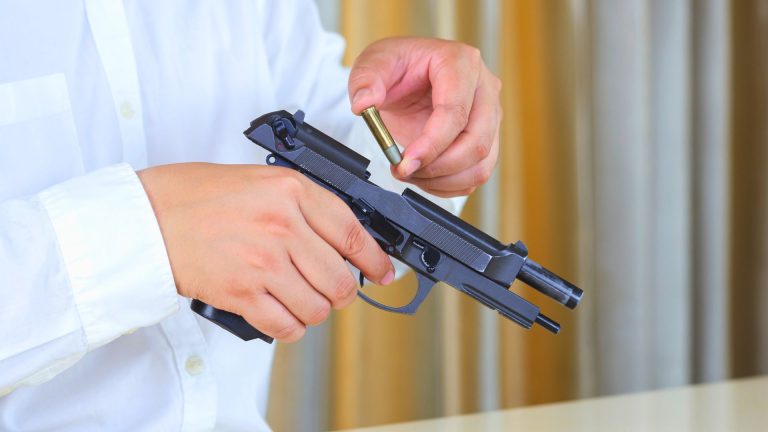
Another big factor that keeps rifles parked in the safe is how people think about loaded guns in the home. Owners argue back and forth about whether a defensive firearm should be stored with a round chambered, but the more moving parts and power a rifle has, the more cautious many of us become. In one discussion about home defense, a user explained that he used to keep a round in the chamber and then changed his habits after having kids, saying, Then I had kids and now it’s a loaded magazine, empty chamber. That kind of shift is common: life changes, and suddenly a rifle that once sat ready in the closet is unloaded and locked away instead.
Mechanical quirks add to that caution. Some rifles are not as drop safe as people assume, and that makes owners think twice about leaving them loaded outside the safe. In one Comments Section, a user named Steel-and-Wood pointed out that ARs are not truly drop safe and that many rifles share that limitation. If you know a gun can fire when dropped or bumped, the safest place for it is unloaded, behind a locked door, where it is not going to get knocked off a shelf or grabbed by someone who does not understand what they are holding.
When Mechanical Trust Breaks, The Safe Takes Over
Plenty of rifles end up as safe queens because their owners no longer fully trust the mechanics. Maybe the safety feels mushy, maybe the trigger is too light, or maybe the gun has already scared them once. In one story that gets passed around a lot, a shooter described a Feb incident with a factory Savage rifle chambered in 338 Lapua that slam fired, turning a very expensive setup into a cautionary tale. After something like that, it is hard to shoulder the same model with the same confidence, and many people respond by retiring the problem gun to the back of the safe.
That instinct lines up with the idea that you never trust a mechanical safety on its own. If a rifle has shown it can misbehave, or even if the design has a reputation for issues, the risk of carrying it loaded or handing it to a new shooter starts to feel unnecessary. I have seen rifles that only come out for careful bench work, with the owner hovering over every step, because they no longer want that gun in the field or in a truck. The safe becomes a compromise: the rifle is preserved, maybe even admired, but it is no longer part of the regular rotation.
Safes, Theft, and Why Some Guns Are Treated Like Cash
There is also a hard financial reason some rifles rarely leave the vault. High grade bolt guns, limited run lever actions, and early semi autos can be worth as much as a used pickup, and they tend to hold that value if they are kept in top shape. One financial analysis noted that They ( wealthy investors ) hold their value in firearms that are unique, antique, or collectible, and that a well maintained gun will not lose its value easily. When a rifle crosses that line from tool to asset, owners start treating it more like a stock certificate than a truck gun.
That is where a real gun safe, not a generic lockbox, matters. A security company points out that Gun safes are designed with a strong focus on theft resistance combined with specialized features to protect firearms, while regular safes are not as sophisticated in avoiding theft. If I own a rifle that would be painful to replace, I want it behind thick steel, bolted down, with a lock that is built for that job. That level of protection naturally encourages leaving the rifle in place. Every time you haul a high dollar gun to deer camp or toss it in a scabbard, you are accepting risk that a thief or a careless bump could erase years of careful stewardship.
Heirlooms, History, and Rifles Too Precious to Risk
Some rifles never leave the safe because they are family, not gear. For many hunters, For most hunters, guns are more than simply a tool, they are an artifact of our history in the field, a reminder of long gone days and a family heirloom that cannot simply be replaced. That old .30/30 that your grandfather carried, or the .22 your dad used to teach you, carries stories in every scratch. Taking it out in the rain or leaving it in a truck overnight starts to feel like disrespect. So it gets cleaned, oiled, and tucked away, brought out on special occasions or for a quick look, then returned to its place of honor.
Collectors face a similar choice with truly old rifles. Experts in restoration warn that One of the most critical factors in deciding whether to restore or preserve an antique firearm is its historical significance and original condition, and that some pieces hold immense value precisely because they remain untouched. If you own a first year production rifle or a gun tied to a specific event, every trip to the range risks erasing that originality. In those cases, the safe is less a prison and more a museum case, preserving something that will outlast you.
Comfort, Fit, and Why Some Rifles Are Miserable to Shoot
Not every safe queen is rare or historic. Some are there because they hurt to shoot. A light mountain rifle in a heavy caliber, a hard plastic buttplate, or a stock that does not fit your shoulder can turn a day at the range into a bruising chore. Instead of selling the gun, many owners try to tame it. One popular accessory is a recoil pad marketed as Classic – Whether Vintage gun or the latest modern design, shooters can minimize recoil while retaining the gun’s original specifications and value. Slip on pads like that let you shoot a punishing rifle without grinding down the original stock, which matters if you care about keeping the gun correct.
Even with those fixes, some rifles never quite feel right. Maybe the length of pull is off, the comb is too low for a scope, or the balance makes it awkward in the field. I have owned rifles that grouped well on paper but never came to the shoulder naturally, and after a season of fighting them, they ended up in the back of the safe. They were not bad guns, they were just wrong for me. Rather than forcing the issue, I reached for rifles that fit better and let the misfits rest, knowing they still had value as backups or trade bait.
Range Rust, Skill Fade, and the “Once a Year” Rifle
There is another category of rifles that almost never leave the safe: the once a year deer gun. Instructors have pointed out that They see hunters take their rifle out during deer season, fire one or two shots, then put it away for the rest of the year. Those rifles are not neglected in the sense of being rusty or dirty, but the shooter’s skills with them absolutely are. When a gun only comes out for a quick zero check and a single shot at a buck, it is hard to build real familiarity with the trigger, the safety, and the way it recoils.
That pattern can turn a perfectly good rifle into a safe ornament. If you only shoot it a couple of times a year, you are less likely to notice a scope working loose, a stock swelling, or a change in point of impact. You might also be less confident in marginal light or awkward positions, which makes you more hesitant to carry that rifle on tougher hunts. Over time, many hunters gravitate toward the rifle they shoot most, and the others stay locked up, waiting for a season that never comes.
Storage Systems Built to Protect Rifles Long Term
Once a rifle is mostly living in the safe, how you store it starts to matter as much as how you shoot it. The same way medical gear needs proper racks and hangers, firearms benefit from storage that supports them correctly. One manufacturer of protective equipment notes that As already mentioned, we recommend our specially designed storage systems for proper and gentle storage of sensitive items, and that logic carries straight over to rifles. If you cram guns into a safe muzzle down, leaning on each other, you are asking for dings, bent sights, and stock damage.
Purpose built gun safes and racks are designed to avoid that. Companies that specialize in firearm security stress that Many firearms hold historical or sentimental value, often passed down through generations, and that proper storage is what preserves them for future generations. I like to think of the safe as a climate controlled gun room in miniature. With the right racks, dehumidifiers, and padding, a rifle can sit for years without warping, rusting, or getting scarred by its neighbors.
Legal, Evidence, and Why Some Guns Stay Hidden
There is also a quieter reason some rifles never leave the safe: owners are thinking about legal exposure. In a famous movie scene, a character is told to leave the gun at the crime scene, and fans have dissected that choice for years. One explanation notes that Because back then the only real solid evidentiary link could be fingerprints, and the guns were taped to not take fingerprints, the only evidence would be the bullet(s) used. In the real world, ballistics, serial numbers, and ownership records can all tie a gun to an event, which is why responsible owners are careful about where their rifles go and who handles them.
That awareness can make some people reluctant to loan out rifles, leave them in unattended vehicles, or carry them in situations where they might be stolen and misused. A gun that never leaves the safe is a gun that is very unlikely to end up in a police evidence locker. I have known owners who keep certain rifles locked away specifically because they do not want them circulating, whether for legal, political, or personal reasons. It is not paranoia so much as a recognition that once a gun leaves your control, you cannot fully predict where it will end up.
Why Locking Rifles Away Can Be the Most Responsible Choice
In the end, a rifle that never leaves the safe is not a failure of ownership. It is often the result of someone weighing safety, value, sentiment, and practicality, then deciding that the best place for that particular gun is behind steel. Formal guidance that starts with lines like NRA gun safety rules and emphasizes secure storage, combined with reminders that Even careful owners need to think about who can access their firearms, all point in the same direction. Some rifles are better off as guarded treasures than as everyday tools.
Whether a gun is a high dollar collectible, a fragile heirloom, a mechanically suspect oddball, or simply a rifle that no longer fits your shoulder, keeping it locked away can be the smartest move. You can still appreciate the history, the craftsmanship, and the memories every time you open the safe. And when you do decide to grab a rifle for the field, you will be reaching for one that you trust completely, leaving the others to rest in the dark where they are safest.

Asher was raised in the woods and on the water, and it shows. He’s logged more hours behind a rifle and under a heavy pack than most men twice his age.