Conservative Commentators Split Over Trump’s Foreign Policy Decisions, With Some Expressing Public Remorse
You watch the conservative media landscape shift in real time during the second Trump term, and the fault lines become hard to ignore. Foreign policy choices, especially the military engagement with Iran, have exposed deep disagreements among voices that once formed a tight circle around the president. What started as private concerns has moved into open criticism, with some longtime supporters now voicing second thoughts about the direction taken. This divide reflects broader questions inside the right about staying true to earlier promises of restraint abroad while navigating complex global pressures.
The public nature of these splits stands out because they come from figures who helped shape the movement. Their words carry weight with audiences that expected a different approach after the 2024 campaign. As events unfold, you notice how personal the fallout feels for some commentators who now wrestle with their earlier endorsements.
Tucker Carlson’s Public Regret
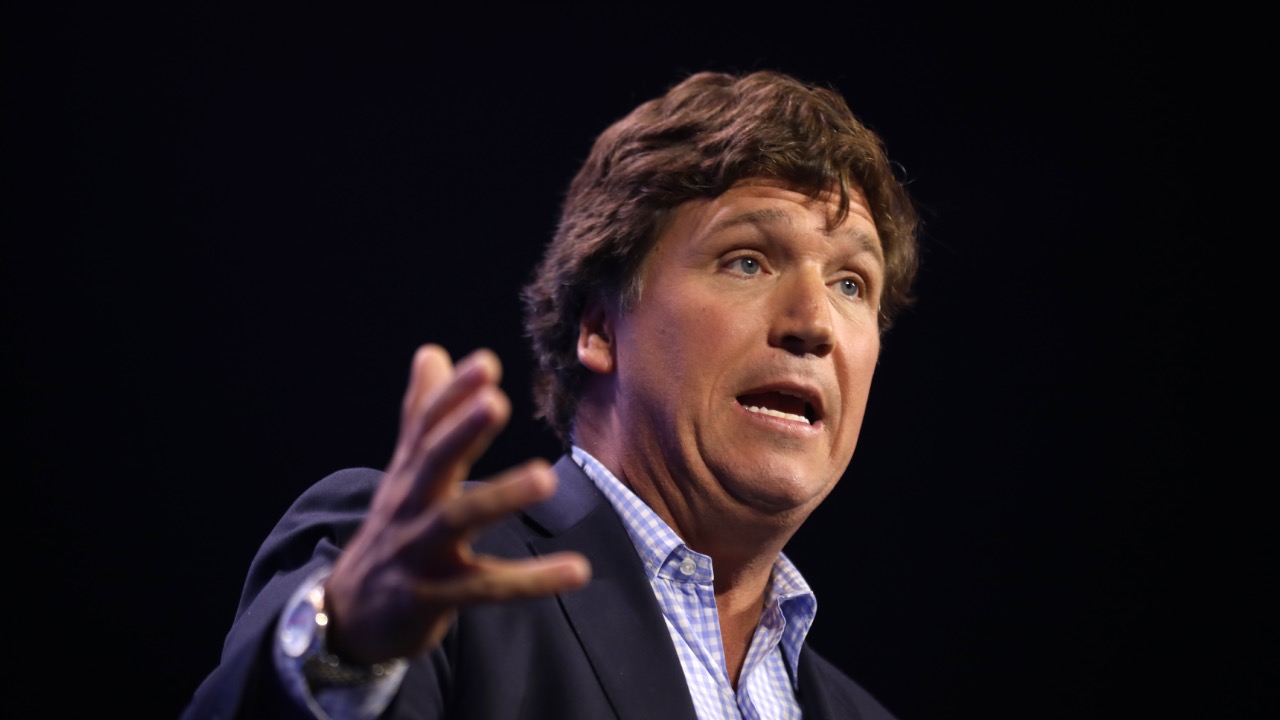
Tucker Carlson has stepped forward with some of the strongest statements against the current path. On his show, he described feeling tormented by the role he played in backing Trump’s return to office, linking it directly to developments in the Middle East. He went as far as saying he was sorry for misleading people, even if unintentionally, and questioned whether certain decisions aligned with the priorities many expected.
This marks a notable break for someone who once championed the America First outlook. Carlson has pushed back against the escalation with Iran, arguing it pulls resources and attention away from domestic needs. His comments have resonated with parts of the audience wary of extended involvement overseas, highlighting how personal accountability can surface when policies take an unexpected turn.
Candace Owens Joins the Criticism
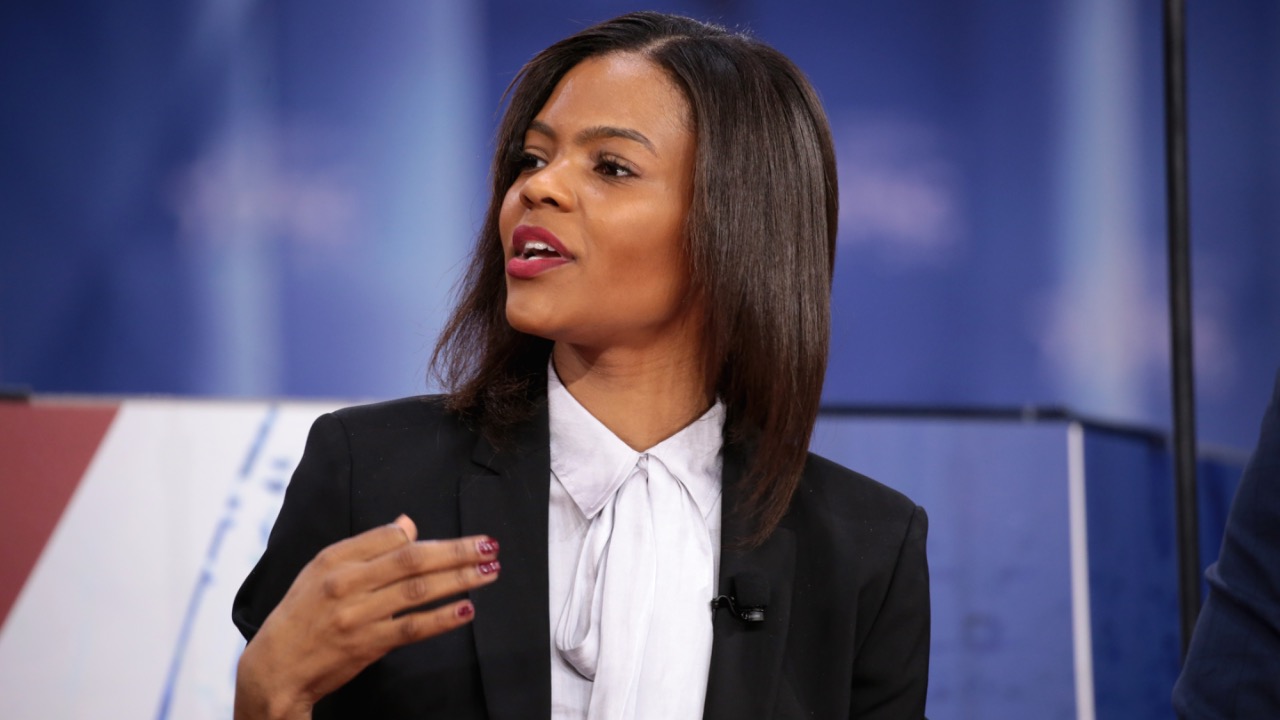
Candace Owens has also spoken out against the handling of the Iran situation. She has framed the actions as a departure from the non-interventionist stance that appealed to many supporters during the campaign. Her commentary often focuses on the costs involved and the sense that external influences may have shaped the decisions more than promised domestic priorities.
You see her position gaining traction among younger listeners who feel the shift most acutely. Owens has called for serious reflection within the administration, at times suggesting stronger measures to address what she views as a misalignment. Her voice adds to the chorus questioning whether the current approach truly serves long-term American interests.
Megyn Kelly’s Sharp Questions
Megyn Kelly has raised pointed concerns about the administration’s messaging and actions around the conflict. She has suggested that explanations from the White House sometimes feel inconsistent with earlier commitments to avoid new entanglements. Her podcast discussions dig into the practical outcomes, including risks to stability and the burden placed on U.S. forces.
This stance puts her at odds with more hawkish voices on the right. Kelly’s analysis often draws on detailed reporting and listener feedback, showing how the debate plays out beyond Washington. Many in her audience appreciate the willingness to challenge the narrative when it seems off course.
Generational Divide at Gatherings Like CPAC
At events such as CPAC, you notice clear differences between older and younger conservatives on these issues. Younger attendees have expressed disappointment, describing the Iran engagement as a betrayal of anti-war pledges made on the trail. They worry about the long-term effects on military readiness and national focus.
Older participants tend to view the moves as necessary responses to real threats. This split plays out in conversations and panel discussions, revealing how age and experience shape reactions to foreign policy. It suggests the movement may face ongoing tension as newer generations weigh in more forcefully.
Trump Responds to the Dissent
President Trump has pushed back directly against the critics, using social media to label some as attention seekers or disloyal. He has defended the decisions as protective of American security and interests, dismissing the remorse as misplaced or self-serving.
This response has intensified the back-and-forth. You see it as a sign that the administration feels the pressure from its own side. The exchanges highlight how personal these debates have become, with longtime allies now trading public jabs over the right course forward.
Ben Shapiro Defends the Policy
On the other side, Ben Shapiro has supported the administration’s approach to Iran. He has argued that strong action was needed against potential threats and has criticized opponents within conservative circles for undermining unity at a critical time.
Shapiro’s commentary often emphasizes strategic realities and the importance of deterrence. His position appeals to those who see restraint as risky in a volatile region. This contrast with Carlson and others shows the range of views still active on the right, keeping the conversation lively and contested.
Broader Questions for the Movement
As these splits continue, you consider what they mean for the larger conservative coalition heading into future elections. Commentators on both sides influence how supporters process events, and the public remorse from some adds a layer of introspection that was less visible before. The debate touches on core ideas about America’s place in the world and how to balance security with avoiding overreach.
The coming months will likely test whether these differences can coexist or if they will widen further. Observers watch closely to see how the administration addresses the feedback while managing ongoing global challenges. For now, the conversation remains open and pointed, reflecting the healthy friction that comes with serious policy disagreements.

Asher was raised in the woods and on the water, and it shows. He’s logged more hours behind a rifle and under a heavy pack than most men twice his age.