The surprising role beavers play in restoring wetlands across the U.S.
Across the United States, a once persecuted rodent is quietly rebuilding wetlands, buffering communities from floods and drought, and reviving habitat for fish and birds. Beavers, long trapped for fur and removed as nuisances, are emerging as one of the most effective and affordable tools for repairing damaged rivers and marshes. Their return is reshaping how scientists, landowners, and agencies think about water, wildlife, and climate resilience.
Rather than relying solely on concrete, pumps, and heavy machinery, a growing number of restoration projects are turning to teeth, mud, and sticks. By letting beavers do what they have always done best, or by mimicking their work with simple structures, communities are finding that the path to healthier wetlands can be measured in ponds and dams rather than in miles of pipe.
How beavers turned from commodity to keystone species
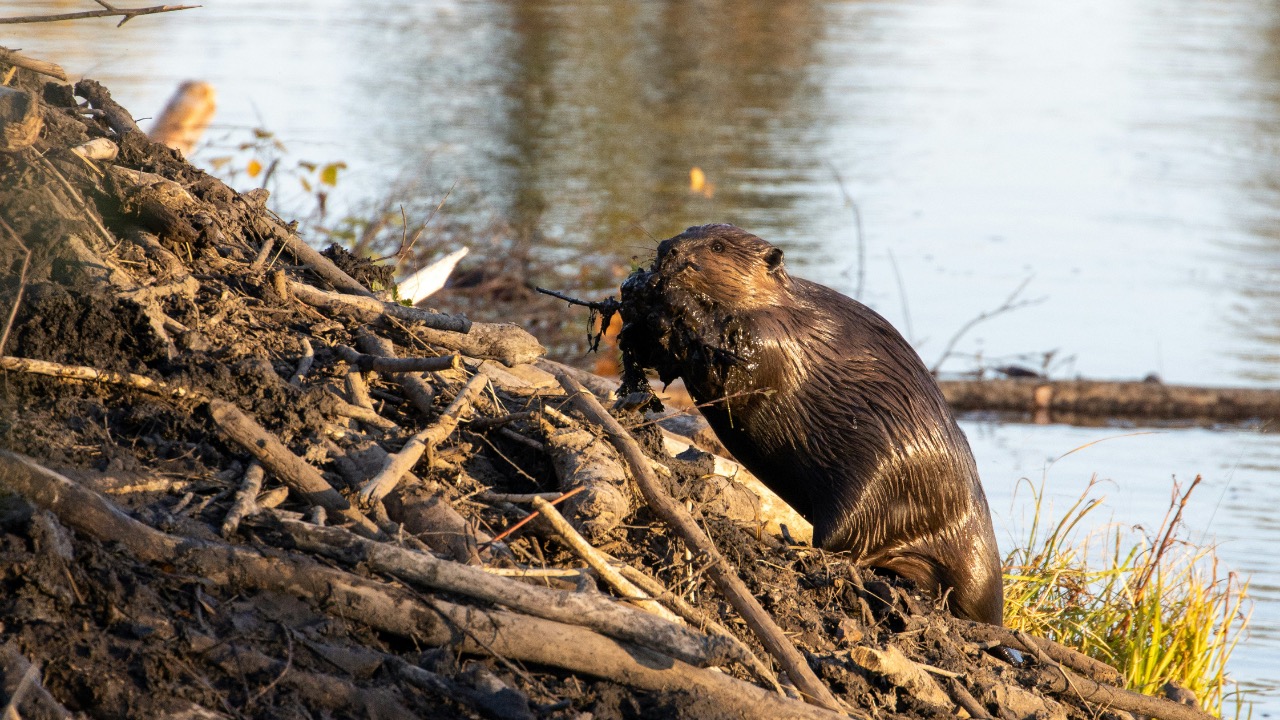
For much of North American history, beavers were treated as raw material rather than as partners in restoration. Intensive trapping for pelts almost eliminated beavers from large parts of the continent, a pattern that conservation groups describe as a near removal from three continents before people began to recognize the ecological cost. Wetlands that had been shaped for millennia by beaver dams drained away once the animals disappeared, taking with them natural water storage and rich habitat for countless species.
That loss now looks far more consequential. According to the Fish and Wildlife Service, over 50% of America freshwater wetlands have been lost to draining and filling, a figure that has sharpened interest in any low cost, self sustaining way to bring wet places back. The North American Beaver, identified as North American Beaver and known scientifically as Castor canadensis, is now widely described as a keystone species because so many other plants and animals depend on the watery environments it creates.
State wildlife agencies and conservation organizations have started to emphasize this dual identity. The Beaver is still sometimes seen as a source of property damage when it floods roads or fields, yet it is also recognized as an ecosystem engineer that helps create and maintain diverse habitats and the many species that depend on them. That shift in perception underpins the new wave of wetland restoration projects that rely on the animal rather than fight it.
Why a dam-building rodent is such a powerful wetland engineer
Beavers reshape rivers and streams through a simple cycle of cutting, carrying, and stacking. They fell trees and shrubs, drag branches into channels, and pack the gaps with mud and stones. The resulting dams slow water, which backs up into ponds and spreads across floodplains. Over time, these ponds trap sediment, raise local water tables, and create a patchwork of pools, channels, and marshy meadows that function as wetlands.
Scientists often call beavers ecosystem engineers because their construction work directly changes resource availability for other species. A technical overview from conservation researchers describes how Beavers modify hydrology, nutrient cycles, and habitat complexity in ways that ripple through entire watersheds. Many wetlands that exist today started as beaver ponds, and as beaver families abandon old sites and move upstream, the former ponds often transition into lush wet meadows rather than reverting to dry ground.
These engineered wetlands support a wide range of wildlife. A detailed explainer on Beavers notes that the ponds and side channels they create provide breeding grounds for amphibians, rearing habitat for fish, nesting sites for waterfowl, and foraging areas for mammals from moose to muskrats. The constant presence of slow, shallow water keeps wetlands from drying up in seasons when they might otherwise disappear.
Hydrologically, beaver dams act like natural sponges. By spreading water across a larger area and forcing it into the ground, they store moisture in soils and shallow aquifers. A climate focused explainer on Builder beavers describes their superpower as dampening droughts, since the ponds and saturated floodplains they create keep streams flowing longer into dry seasons. That same storage can also blunt the peak of floods, because water that would have rushed downstream in a single surge instead spreads out and slows down.
From nuisance to partner: agencies reframe beaver work
The growing recognition of beaver benefits is starting to show up in official policy and on the ground. The U.S. Fish and Wildlife Service has begun to describe beavers as partners in restoration, a phrase highlighted in an analysis of how federal policy is shifting. In that discussion, the Fish and Wildlife is quoted as seeing beavers as collaborators in projects that reconnect floodplains, improve habitat, and mitigate water shortages in North Central Washington.
On the ground, the agency has highlighted specific examples of this shift. In a story about a restoration site at Leavenwor, staff describe how a beaver pond that formed in an uninhabited basin began to improve habitat for fish and birds. The same account explains that Beavers Work to Improve Habitat in part by storing groundwater in their ponds, which can then slowly release water into streams during dry periods. That storage not only stabilizes flows but can also reduce the risk of beaver induced property damage and destruction when projects are designed to work with, rather than against, the animals.
State agencies are making similar moves. California, which has struggled with cycles of drought and flood, now treats the Beaver as both an ecosystem engineer and, in some contexts, a nuisance species that requires management. Guidance documents from the state outline how relocating beavers, installing flow devices to control pond levels, and protecting infrastructure can allow communities to retain the ecological benefits of dams without sacrificing roads or agricultural land.
Public outreach has become part of the strategy. Social media channels run by wildlife agencies, such as the official Discovered account for the U.S. Fish and Wildlife Service and the related presence on Discovered at X.com, now regularly share images of beaver ponds and explain their role in supporting birds, fish, and clean water. This messaging reflects a broader effort to replace images of flooded culverts and gnawed trees with a more complete picture of beavers as key players in healthy watersheds.
How beaver ponds rebuild wetlands and biodiversity
At the heart of beaver based restoration is a simple chain of cause and effect. A dam slows flowing water. The backed up water spreads sideways into the floodplain. That expansion saturates soils, encourages wetland plants, and creates a mosaic of habitat types that support high biodiversity. Over time, the wet area grows and becomes more complex as channels shift and vegetation changes.
Ecologists describe beaver ponds as biodiversity hotspots because of this structural complexity. A detailed overview of wetland benefits explains that when beavers create dams, the pace at which water moves through a stream drops sharply. According to the analysis on How beaver dams create biodiversity hotspots, the slower water allows sediments and nutrients to settle out, which in turn fuels the growth of aquatic plants and algae. Once a dam is complete, the new pond becomes a nursery for insects, amphibians, and fish, and a feeding ground for birds and mammals that hunt or forage along the edges.
The cascading benefits extend beyond wildlife. By spreading water across a floodplain, beaver ponds recharge groundwater reserves that communities rely on for drinking and irrigation. A synthesis from river restoration practitioners notes that Beavers help stabilize stream banks, reduce erosion, and recharge groundwater reserves, all of which support more reliable water supplies for people as well as for ecosystems.
These ecological services have economic value. A conservation focused analysis of beaver recovery notes that the animals provide millions of dollars in benefits each year by improving water quality, boosting fish populations, and reducing flood damage. As one biologist quoted in a Feb report put it, beavers will do this work for free if given the chance, and the scale of their impact rivals many engineered projects that cost far more.
Beavers as climate allies: drought, fire, and flood
Climate change is intensifying the water cycle, with longer droughts, heavier downpours, and more severe wildfires across large parts of the United States. In that context, beaver wetlands are not just ecological curiosities but practical infrastructure. Their ponds and saturated meadows store water in wet years and release it slowly in dry ones, while the green corridors they maintain can act as natural fire breaks.
Climate advocates have begun to highlight beavers as wildlife climate heroes. A detailed explainer on Mar notes that increasing wildfires destroy nature and threaten communities, yet beaver created wetlands often remain green islands in burned landscapes. Their ponds provide moist refuges for wildlife and can slow the spread of flames, functioning as an excellent fire department nonetheless.
The same hydrologic effects that help during fires also matter in droughts and floods. By dampening extremes, beaver wetlands create what climate scientists call climate resilient ecosystems. The explainer on How an oversized rodent engineers climate resilient landscapes points out that beaver ponds literally raise the water table, which keeps vegetation green longer into dry seasons and supports cooler microclimates along streams. During heavy rains, the same ponds and side channels spread water out, reducing the force of floods downstream.
These climate benefits are drawing attention from state level initiatives focused on nature based solutions. In California, for example, the state resources agency has launched a program titled Expanding Nature Based Solutions that highlights beaver restoration as one way to store more water in the landscape. The initiative, described on Discovered, frames beavers as part of a broader toolkit that includes restoring floodplains and wetlands to reduce disaster risk and support biodiversity.
Imitation dams and the rise of “beaver based” restoration
Not every stream has beavers, and not every site is ready for their return. In response, practitioners have begun building structures that mimic beaver dams in order to jump start wetland recovery. These low cost, low tech installations are typically made of wooden posts, branches, and brush woven together across a channel, sometimes called beaver dam analogs or BDAs.
The popularity of this approach reflects how effective beaver style engineering can be. A detailed blog from the Greater Yellowstone region notes that Beaver dams slow water, create ponds, and reconnect streams to their floodplains, which makes them so effective at restoring degraded waterways that building imitation dams has become a successful conservation strategy on its own. In a quiet, slow moving stream, a small dam can transform a narrow trickle into a broad, marshy corridor that supports far more life.
These analog structures are often designed with the hope that real beavers will eventually take over. By raising water levels and encouraging willow and cottonwood growth, they create the conditions that beavers prefer. Once the animals arrive, they typically expand and maintain the dams, adding mud and more branches, which reduces the need for ongoing human intervention.
Practitioners emphasize that beaver based restoration is not a cure all. Some sites require careful planning to avoid flooding roads or homes, and in heavily incised channels, multiple structures may be needed before water can reach the floodplain. Still, the appeal is clear: rather than relying solely on excavators and rock, land managers can use simple materials and animal labor to rebuild wetlands at scale.
The Methow Okanogan Beaver Project: a watershed scale experiment
One of the most closely watched examples of beaver centered restoration is unfolding in north central Washington, where the Methow Okanogan Beaver Project has spent years relocating beavers and monitoring how they change local watersheds. The effort combines live trapping from conflict sites, such as irrigation ditches or culverts, with careful releases into headwater streams that have suitable habitat but no current beaver population.
The group describes its work under the banner of Watershed Restoration. According to the project, the Methow Okanogan Beaver Project conducts relocations, builds partnerships with landowners, and studies how beaver activity affects streamflows, water quality, and habitat. By tracking pond formation and vegetation changes over time, the team is building a detailed picture of how a few families of beavers can influence entire sub basins.
One technique the project uses is called wood loading. As described in the group overview on Wood Loading, practitioners place logs and branches in strategic locations in streams to slow water down and prevent erosion during high flow conditions. These structures can complement beaver dams by creating additional roughness in the channel, which spreads water out and encourages sediment deposition. Over time, the combination of beaver dams and added wood can rebuild streambeds and reconnect channels to their floodplains.
The Methow Okanogan Beaver Project also illustrates how beaver work intersects with human water needs. By increasing groundwater storage and maintaining cooler summer flows, the ponds created by relocated beavers help support fish populations that are important for local communities and tribal nations. At the same time, the additional water held in the system can mitigate water shortages in dry years, aligning ecological goals with agricultural and municipal interests.
California’s beaver rethink and nature based policy shifts
Few states have moved as quickly as California to reframe beavers as allies in climate adaptation. After years of treating them primarily as nuisances that clogged culverts and flooded fields, state agencies have begun to integrate beaver restoration into broader strategies for managing drought, wildfire, and biodiversity loss.
The California Department of Fish and Wildlife now maintains detailed information about the Beaver, including its role as an ecosystem engineer and keystone species. Technical documents available through the department, such as the guidance file at Discovered, outline how relocating beavers, installing pond levelers, and protecting riparian vegetation can reduce conflicts while enhancing the ecological benefits of dams.
At the policy level, the state has tied beaver work to its climate resilience agenda. The Expanding Nature Based Solutions initiative, described on Untitled, lists beaver restoration alongside floodplain reconnection and wetland protection as key strategies for storing more water in the landscape and buffering communities from extremes. Public engagement tools, such as the signup portal at Discovered, invite residents to follow updates on these projects and participate in local planning.
Nonprofit partners have stepped in to support this shift. Donation pages linked through Discovered and Untitled help fund beaver related work, from field research to community outreach. Technical analyses, such as the report available at Discovered, provide case studies of how beaver ponds have reduced erosion, improved fish habitat, and increased water storage in specific California watersheds.
These efforts are part of a broader trend in which agencies are moving away from purely gray infrastructure solutions and toward hybrid approaches that blend engineered structures with natural processes. In this context, beavers are not a silver bullet but a versatile tool that can work alongside levees, culverts, and reservoirs to create more flexible water systems.
Balancing benefits with real world conflicts
Despite the enthusiasm around beaver based restoration, conflicts remain. Beavers can flood roads, agricultural fields, and septic systems, and they sometimes fell trees that landowners value. These impacts are real, and managing them is essential if beavers are to be welcomed back into more human dominated landscapes.
Restoration practitioners point to a suite of coexistence tools that can reduce these conflicts. Flow devices, often called pond levelers, can be installed through dams to control water levels and prevent flooding of infrastructure. Fencing and tree guards can protect individual trees or small groves from being cut. Relocation programs, such as those run by the Methow Okanogan Beaver Project, can move problem animals from conflict sites to restoration areas where their dam building is an asset.
Public perception is another hurdle. For generations, beavers have been portrayed as pests or curiosities rather than as key partners in water management. Storytelling and outreach are beginning to change that narrative. Conservation groups share before and after images of dry gullies transformed into lush wetlands, while agencies highlight specific success stories such as the habitat improvements at Leavenwor described in the Additionally beaver ponds feature.
Advocates also stress that beaver restoration is not about letting animals run wild without oversight. Instead, it is a form of active management that uses beaver behavior as a tool within a broader plan. That plan can include clear thresholds for when intervention is needed, such as when water levels threaten homes or when dams block fish passage in critical migration corridors.
The economics of letting nature do the work
One of the most surprising aspects of beaver driven wetland restoration is its cost profile. Traditional projects to restore rivers and wetlands often involve heavy machinery, engineered structures, and extensive permitting, all of which can push budgets into the millions of dollars. Beaver based approaches, by contrast, rely on low tech structures and animal labor, which can dramatically reduce upfront and maintenance costs.
Analyses from conservation organizations suggest that beaver wetlands provide a suite of ecosystem services that would be expensive to replicate with human built infrastructure. These include water filtration, groundwater recharge, flood mitigation, and habitat creation. A fact sheet on Beavers and wetlands points out that the ponds and marshes created by beavers can help produce drinking water for people by improving water quality and stabilizing flows.
Economic valuations cited in conservation blogs estimate that the combined benefits of beaver activity, from improved fisheries to reduced flood damage, add up to millions of dollars annually across North America. While these figures vary by region, they highlight a consistent pattern: when beavers are allowed to build and maintain wetlands, communities receive a package of services that would otherwise require significant public investment.

Leo’s been tracking game and tuning gear since he could stand upright. He’s sharp, driven, and knows how to keep things running when conditions turn.