Ten lessons most hunters only learn the hard way
Hunting has a way of turning small mistakes into big, unforgettable lessons. The woods expose gaps in preparation, judgment, and character faster than almost any classroom, and most of the insights that matter are earned with bruised pride or a sick feeling in the gut. I have learned that if I pay attention to those hard moments, I can turn them into a roadmap that keeps me, my partners, and the animals I pursue safer and more effective the next time I step off the road.
What follows are ten of the most common truths hunters tend to discover only after something goes wrong. Each one is rooted in real experiences from seasoned guides, self-taught newcomers, and educators who have watched the same patterns repeat season after season.
1. Safety shortcuts always come back to bite you

The first lesson most hunters learn the hard way is that safety is not a checklist you rush through, it is a mindset that has to stay switched on from the truck to the freezer. When I handle a firearm, the basics sound simple, but the moment I get complacent, the risk spikes: muzzle control, finger off the trigger, and safety on until I am truly ready to shoot. One hunter described how he took the safety off long before he was settled, then let his finger creep onto the trigger and fired early, a chain of tiny lapses that nearly ended in disaster and drove home the non‑negotiable importance of those protocols once and for all, a story that mirrors the kind of mistakes highlighted in detailed Oct accounts of close calls.
Good safety habits also extend beyond the gun. When conditions turn bad, I have to be able to shift from “hunter” to “survivor” in seconds, which means carrying the right gear, knowing how to build shelter, and understanding how quickly hypothermia, dehydration, or getting lost can escalate. Formal training materials on switching modes emphasize that survival thinking starts before I ever leave home, with route plans, communication, and realistic assessments of my limits. The hunters who ignore that, or assume a short walk cannot go sideways, are usually the ones who end up teaching everyone else a hard lesson.
2. Patience kills more animals than gear ever will
New hunters, and more than a few veterans, often try to buy their way out of inexperience with gadgets, but the woods keep rewarding the same old-fashioned trait: patience. I have watched people abandon a stand after an hour of boredom, only to bump the very deer that would have walked past them if they had stayed put. Experienced whitetail hunters repeat the same mantra, that “Patience kills big bucks,” and they back it up by sitting longer, moving slower, and trusting their setups even when the woods feel dead.
That discipline shows up in how I move as well as how long I wait. One deer hunter described working ahead in twenty‑yard increments, making a Work plan of soft grunts, listening, then easing forward another short distance, repeating the cycle instead of charging through cover. That kind of methodical approach, trusting the process rather than chasing instant action, is what consistently turns empty woods into filled tags. The lesson usually arrives the first time impatience blows a stalk that was seconds from success.
3. The learning curve is steep, so do not climb it alone
Hunting looks simple from the outside, but the first season has a way of humbling anyone who thinks they can wing it. I have seen beginners walk into the timber with a borrowed rifle and a YouTube video’s worth of knowledge, only to discover that reading sign, judging distance, and making ethical decisions under pressure are far more complex than they imagined. Outfitters who specialize in first‑timers stress that the learning curve is huge and that a guided hunt can compress years of trial and error into a few days by pairing a novice with someone who already understands animal behavior, terrain, and how to recover and care for There harvests.
Hunters who do not have a mentor often end up learning through painful mistakes. One self‑taught deer hunter recalled heading out with “no one to teach me,” following a blood trail alone, and finally finding the deer just inside the tree line, or what was left of it, after scavengers had already taken their share, a moment that still haunts them every time they look at the Dec photo. That kind of experience drives home why mentorship, whether through a guide, a local club, or an experienced friend, is not a luxury but a safeguard for both the hunter and the animal.
4. Preparation separates the 10 percent from everyone else
Every season, a small fraction of hunters consistently fill tags while the rest wonder what secret they are missing. The pattern is not luck, it is preparation. The people who end up in that top slice, often described as the “10 percent,” treat scouting, shooting practice, and physical conditioning as a year‑round commitment rather than a week of scrambling before opener. They study maps, pattern animals, and know their gear so well that when a shot opportunity appears, they are not fumbling with straps or second‑guessing their rifle, a mindset captured in advice that explains how, While some preparation might look like showing off, it is actually the quiet work behind both failure and success.
That same seriousness shows up in how they think about sacrifice and reward. In reflections on life in the field, seasoned hunters talk about Sacrifice Reward as a core lesson, accepting that the best hunts require early mornings, long hikes, and missed comforts with no guarantee of payoff. When I internalize that, I stop expecting easy success and start building systems that give me a real chance: shooting from field positions instead of just a bench, rehearsing pack‑outs, and planning multiple access routes so I am not stuck when the wind shifts or another hunter beats me to my first choice.
5. Ethics and rules are not optional fine print
Many hunters only realize how central ethics are to the culture of the sport after they have seen someone cut a corner and watched the fallout. Regulations about seasons, tags, and methods can feel restrictive until I remember that they exist to protect wildlife populations and the public’s trust. Seasoned voices in the deer community urge newcomers to Follow the rules even when they disagree with a specific regulation, because respecting the sport means accepting that personal preference does not override law or biology.
Formal education reinforces that point. Comprehensive hunter education programs like The SC hunter study guide explicitly frame safety, ethics, and conservation as equal pillars, not add‑ons. When I absorb that, I start to see every decision in the field through a wider lens: Is this shot angle truly ethical, or am I stretching my abilities? Am I respecting other hunters’ space and private property? The hunters who ignore those questions often find themselves facing fines, damaged relationships, or a reputation that is hard to repair.
6. Know your weapon and your limits before the shot
One of the most painful lessons in hunting is discovering, too late, that you did not understand your own equipment. I have watched hunters miss or wound animals because they never practiced beyond a benchrest, or because they did not realize how their rifle or bow performed at different ranges and angles. A veteran guide described a moment when a client misidentified a cow, took a marginal shot, and spent agonizing minutes in confusion before realizing it was the same animal and she was already gone, a story that underlines how Mistakes with identification and distance judgment can haunt both hunter and guide.
Experienced voices keep repeating the same advice: practice, practice, practice, and know your weapon so well that you can operate it in the dark, under stress, and in bad weather. That means dry‑firing, shooting from kneeling and prone, and learning how wind and terrain affect your bullet or arrow, not just sighting in once and calling it good. In a video breaking down 10 Hard Truths after 120 big game harvests, one hunter explains how every deer he has shot, he has processed himself, using the gutless method, a level of familiarity with both the shot and the aftermath that only comes from repetition. The more I invest in that kind of competence, the less likely I am to face the sick feeling of a poorly placed shot I was never truly prepared to take.
7. Small oversights in the field become big problems fast
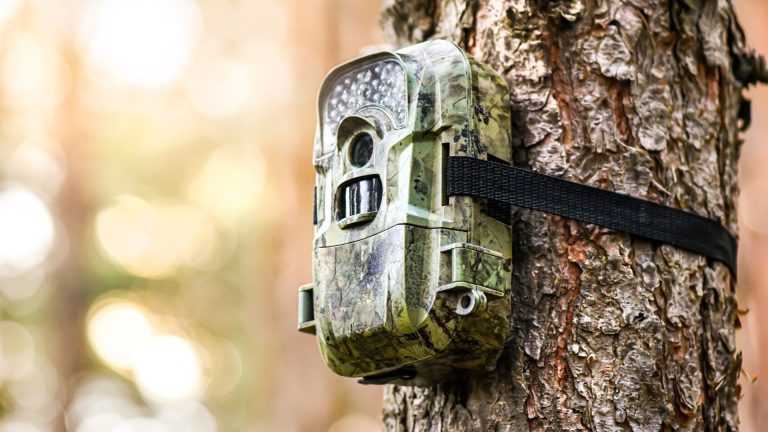
Many of the worst days in the woods start with something that felt trivial at the time. I have heard countless stories that begin with a hunter stepping away from a stand “just for a minute” without their rifle, only to watch a buck stroll past out of range, or leaving a headlamp in the truck and then stumbling through the dark after a late recovery. In one discussion among self‑taught deer hunters, a recurring piece of advice was to always bring your weapon, even when Stepping away for a quick break or to Adjust a camera, because the woods have a way of rewarding the moment you are least ready.
Other oversights are less embarrassing and more dangerous. Forgetting to check the weather, underestimating how long a hike will take, or failing to tell someone where you are going can turn a routine day into a survival situation. Educational materials on survival mode emphasize that emergencies rarely arrive with a dramatic warning; they creep up through a series of small, ignored problems. When I train myself to think ahead about those “little things,” from spare batteries to extra layers and navigation backups, I am not being paranoid, I am respecting how quickly the backcountry can punish complacency.
8. Failure hurts, but it is the best teacher in the woods
Every hunter who sticks with the sport accumulates a private reel of blown stalks, missed shots, and long, empty seasons. Those failures can be crushingly painful and leave me sick to my stomach, especially when I know an animal suffered because I misjudged a shot or rushed a decision. Yet the hunters who grow the most are usually the ones who treat that pain as fuel, returning to the range, rethinking their setups, and using each mistake to become more disciplined, a mindset captured in reflections that admit how these failures can be brutal, But also the ultimate motivator.
That perspective extends beyond solo hunts. When I take kids or new hunters into the field, I have to accept that they will make mistakes too, and that my reaction will shape whether they learn or quit. In one backcountry reflection, a hunter named Backbone Unlimited host Matt Hartsky talks about gratitude in the mountains, acknowledging that the mountain does not owe anyone success and that the real reward is in the lessons. Another hunter, sharing a short reel, puts it bluntly: There are lessons in every tough day, you learn patience, you learn how much you want it, and you learn that the landscape owes you nothing. When I adopt that view, failure stops being a verdict and becomes part of the process.
9. Community wisdom is a shortcut you cannot afford to ignore
Hunting can feel solitary, but the most efficient way to avoid repeating the same painful mistakes is to listen to people who have already made them. Online groups and local clubs are full of hard‑won advice, from access etiquette to gear triage, and the best threads are often started by someone simply saying “Drop your comments below” and inviting others to share what they wish they had known. In one such discussion, a moderator urged newcomers to Drop their lessons and Remember that no one owns the land because everyone does, a reminder that hunting is as much about community standards as personal success.
Those conversations also reinforce the softer skills that rarely make it into gear catalogs. Hunters swap stories about staying off their phones in the stand, constantly checking the wind, and having more than two options for getting in and out of a spot so they are not boxed in by shifting breezes or other hunters. Many echo the same word that keeps surfacing in seasoned advice: Patience. When I pay attention to that collective wisdom instead of assuming my situation is unique, I can skip years of avoidable frustration.
10. Hunting will change you, if you let it
Beyond meat in the freezer and antlers on the wall, the deepest lessons from the field are about character. Long, cold sits and grueling pack‑outs teach me more about sacrifice, resilience, and humility than any motivational speech. Writers who reflect on life in the field talk about how Sacrifice in the mountains rarely comes with a guaranteed reward, and that accepting this reality is one of the biggest life lessons hunting offers. When I internalize that, I start to see every early alarm and every empty day not as wasted effort but as part of a longer story about who I am becoming.
Gratitude is the final, often unexpected, takeaway. In one backcountry reflection, Matt Hartsky steps away from tactics and maps to talk about how the hunt never really ends, because the mindset it builds follows you home. Another hunter reminds viewers that You learn the mountain does not owe you anything, and that realization can spill into work, family, and every other challenge. The hardest lessons in hunting, the ones learned through mistakes, discomfort, and loss, are often the same ones that quietly make us better, more grounded people far beyond the trailhead.
Supporting sources: Lessons learned for.

Leo’s been tracking game and tuning gear since he could stand upright. He’s sharp, driven, and knows how to keep things running when conditions turn.