The U.S. states where wild wolves still roam
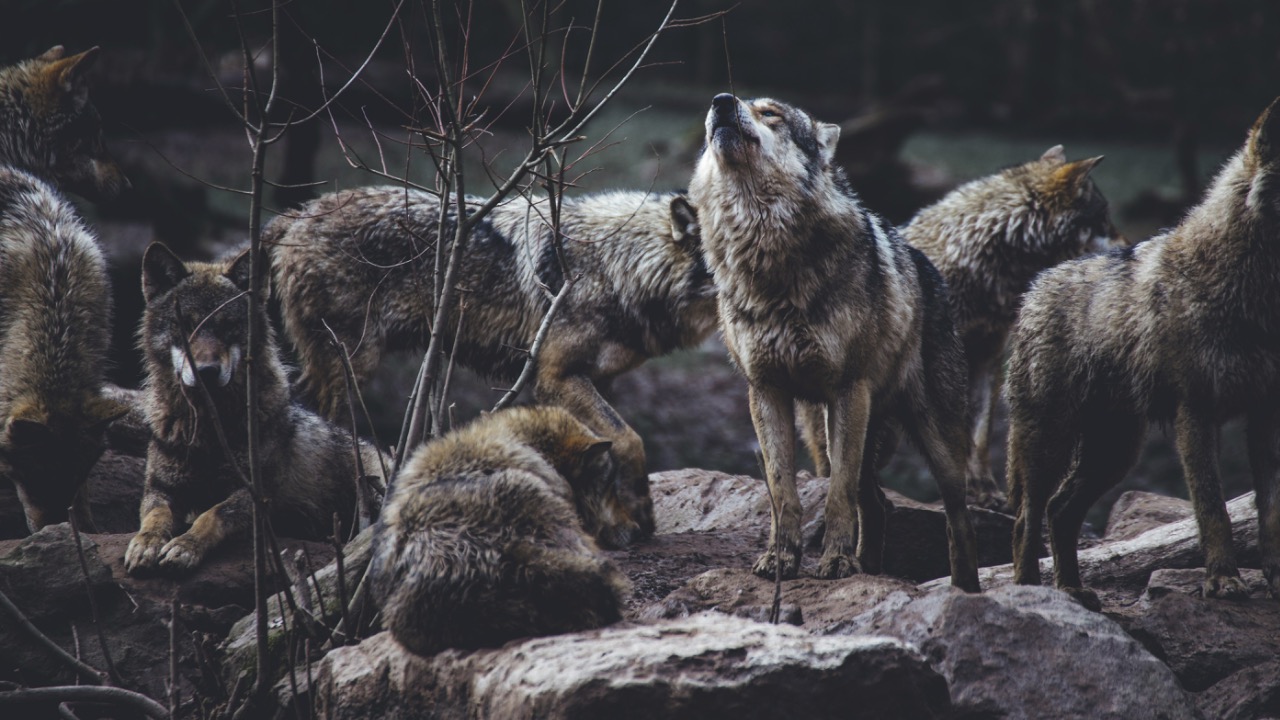
Wolves never really left the American landscape—they just got pushed into the rougher corners. Over the past few decades, they’ve clawed their way back into parts of the Lower 48, while holding strong in Alaska. If you spend enough time in the right country, you might not see one, but you’ll know they’re there.
This isn’t a full comeback story everywhere. Some states hold strong populations. Others are dealing with scattered packs testing new ground. Either way, if you’re hunting or spending time outdoors in these places, wolves are part of the equation again.
Alaska Still Holds the Strongest Wolf Country
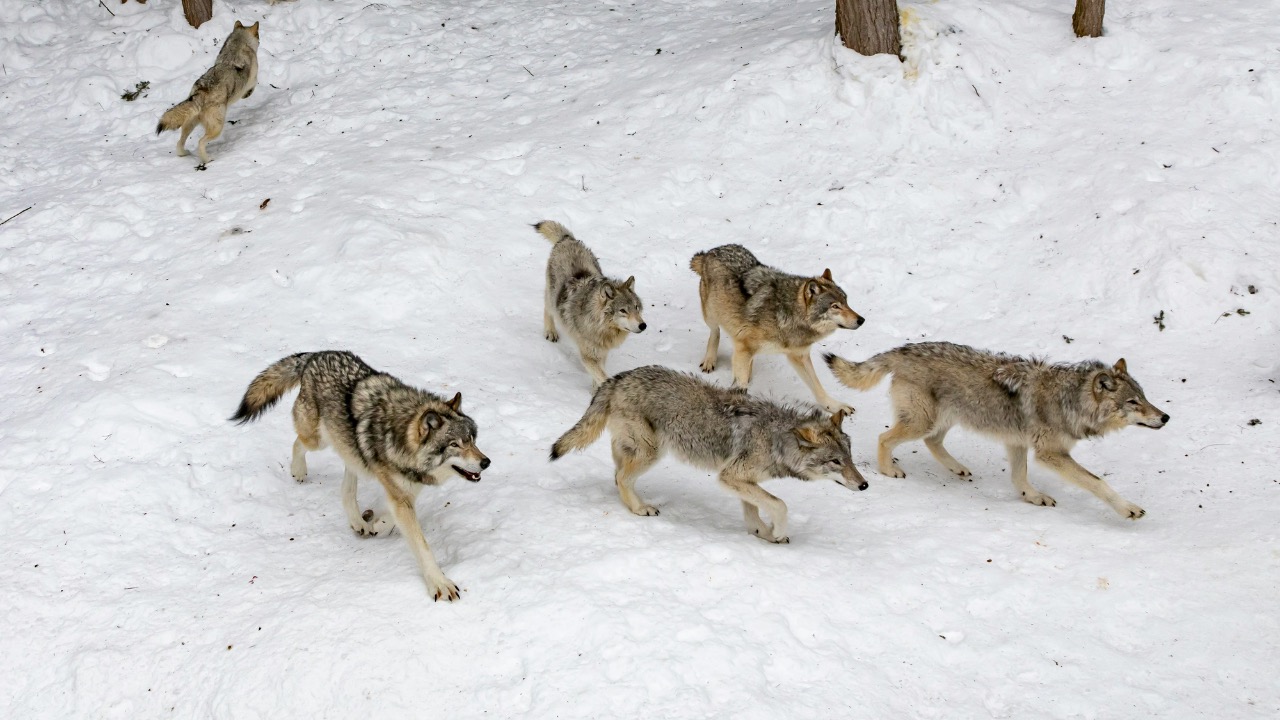
If you want to talk about real wolf country, Alaska sits at the top. The state holds tens of thousands of wolves spread across vast, remote terrain where human pressure stays low.
Out there, wolves are part of the system in a way most Lower 48 hunters don’t experience. They move big country, follow migrating herds, and live largely unchecked compared to other states. Management is active, and hunting and trapping are tools used to keep balance with prey species like moose and caribou.
Minnesota Is the Lower 48 Stronghold
In the Lower 48, Minnesota carries the largest population of gray wolves. Most of them are tucked into the northern forests where cover, prey, and space still line up.
You’re dealing with a well-established population that never fully disappeared. Management here has been a long-running debate, with protections shifting over the years. Wolves are part of daily life in some areas, especially for folks running traplines or hunting deer in the north woods.
Wisconsin’s Wolves Keep Expanding and Contracting
Next door in Wisconsin, wolves have made a steady return, though their numbers have seen ups and downs depending on management and legal rulings.
They’re concentrated mostly in the northern half of the state, where forest cover still gives them room. If you hunt up there, you’re sharing ground with them whether you see tracks or not. The situation changes year to year, and it’s one of the more closely watched wolf populations in the country.
Michigan’s Upper Peninsula Holds a Quiet Population
Wolves in Michigan are mostly found in the Upper Peninsula. It’s the kind of country that suits them—thick timber, cold winters, and enough prey to hold packs.
They’re not spread statewide, and you won’t find them in the Lower Peninsula. But in the UP, they’ve settled in and maintained a stable presence. Hunters up there are used to cutting wolf tracks and hearing howls, especially once winter sets in.
Idaho Is Ground Zero for Western Wolf Management
Out West, Idaho has become one of the main battlegrounds for wolf management. Wolves were reintroduced in the 1990s, and they’ve spread across much of the state since.
You’ll find them in big, rugged country where elk and deer numbers matter to hunters. Management here leans aggressive compared to some other states, with hunting and trapping seasons aimed at keeping populations in check. It’s a place where wolves and hunters are constantly intersecting.
Montana Keeps a Balanced but Contested Population
In Montana, wolves are well established, especially in the western half of the state. Like Idaho, they came back through reintroduction and natural spread.
The state manages wolves with regulated hunting and trapping, trying to balance predator numbers with elk herds and livestock concerns. It’s a steady push and pull. Spend time in Montana’s backcountry, and you’re in wolf country whether you realize it or not.
Wyoming’s Wolves Are Tied Closely to Yellowstone
Wolves in Wyoming are closely tied to Yellowstone National Park and the surrounding ecosystem. That’s where reintroduction took hold and spread outward.
Management shifts depending on where you are in the state. Inside protected zones, wolves are treated differently than in areas where they’re classified as predators. It creates a patchwork of rules, and if you hunt there, you need to know exactly what applies where you’re standing.
Washington’s Wolves Are Slowly Reclaiming Ground
Wolves in Washington are still rebuilding. Most packs are found in the eastern part of the state, where habitat supports their return.
This is a slower recovery compared to the Northern Rockies. Packs are monitored closely, and management is cautious. If you’re hunting eastern Washington, wolves aren’t everywhere—but they’re showing up in more places each year.
Oregon Is Seeing Steady Wolf Growth
In Oregon, wolves have followed a similar path to Washington, expanding gradually over time. Eastern Oregon holds the bulk of the population.
They’re still spreading, and each year brings new reports of packs in areas that didn’t have them before. Ranchers, hunters, and wildlife managers are all watching closely as that footprint grows.
California’s Wolves Are Few but Growing
Wolves in California are a newer development. After being gone for decades, small numbers have returned, mostly in the northern part of the state.
You’re not dealing with large populations here. Packs are limited, and the state monitors them closely. Still, their presence marks a shift. Wolves are pushing into places where they hadn’t been seen in generations.
Colorado Is the Newest Front in Wolf Country
The newest chapter is unfolding in Colorado, where wolves have been reintroduced starting in the mid-2020s.
This is early-stage recovery. Numbers are low, and the situation is changing year to year. But it puts wolves back on the map in a state where they were long gone. If you hunt there, it’s something to keep an eye on as populations establish and spread.
Wolves aren’t everywhere, but they’re in more places than they were a generation ago. If you spend time in these states, especially in big country, you’re sharing ground with them. You may never lay eyes on one—but that doesn’t mean they’re not watching you first.

Asher was raised in the woods and on the water, and it shows. He’s logged more hours behind a rifle and under a heavy pack than most men twice his age.