What cowboys actually ate in Wild West saloons versus movie myths
On screen, the Wild West saloon looks like a place where men lived on whiskey and trouble. In real life, those same bars were closer to rough-and-ready diners, feeding working cowboys, miners, and townsfolk who needed calories more than theatrics. The gap between what Hollywood shows and what ended up on actual plates is wide, and the real menu tells you a lot about how people survived on the frontier.
When I look at what cowboys actually ate, a different picture of the West comes into focus: one built on beans, bread, cheap cuts of meat, and whatever a saloon keeper could haul in without it spoiling. The food was practical, salty, and often free with a drink, but it was never the glamorous steak-and-bourbon fantasy we are used to seeing.
Whiskey myths versus working saloons

Movies lean hard on the image of a crowded bar where every hand holds a shot glass and nobody ever seems to chew. In reality, a saloon that ignored food was leaving money on the table and missing a basic need of its customers. Cowboys coming off the trail, railroad workers, and gamblers sitting at the faro table for hours needed something in their stomachs if they were going to keep spending cash on liquor.
Modern historians who study period menus point out that when you picture an Old West Saloon, you usually see men drinking but never eating, even though people in those rooms were absolutely putting away plates of meat, bread, and pickles alongside their beer. That gap between memory and reality is so stark that a recent Video Transcript spells it out in plain language: You see an Old West Saloon in a TV show or a movie, they are always drinking but they are never eating, but people did eat there, on food that would look familiar in many bars today.
What cowboys really ate on the trail
To understand what a cowboy ordered in town, you have to know what he had been living on for weeks. Out on the range, chuckwagon cooks kept things basic and durable. Cowboys in the United States relished the same “chuck” day after day, which meant beans, biscuits, coffee, and whatever meat could be hauled and preserved. Fresh vegetables were rare, and anything that spoiled fast was a liability when the herd and wagon were moving every day.
One detailed account of trail food notes that Cowboys in the United States relied heavily on canned and dried fruit, “overland trout” (bacon), and other preserved staples that could handle considerable distances and sometimes still went bad anyway. That same source explains how Canned and dried goods filled the gap when fresh supplies were impossible, which meant a hot plate in town, even a mediocre one, felt like a luxury.
From chuckwagon to barstool: why saloon food mattered
By the time a crew rode into town, they were tired of beans and bacon and ready to spend some wages. Saloons understood that hunger as well as thirst, and they used food to keep men in the building. A cowboy who could sit down to a plate of roast meat or stew while he drank was more likely to order another beer, play another hand of cards, and stick around until closing.
Period descriptions of saloon fare show that the food was not an afterthought but a core part of the business model, especially in busier towns where competition was stiff. One writer who dug into old menus and cookbooks found that from 1860 on, food in many saloons ranged from basic cold cuts to full Sunday spreads, with the bar as the universal drink. In Wyatt Earp’s and Doc Holliday’s Tombstone, the Occidental Saloon even served a Sunday dinner that was fancy enough to tickle Doc’s fashionable palate, a detail preserved in accounts linked to In Wyatt Earp and Doc Holliday in Tombstone at the Occidental Saloon on Sunday.
The “free lunch” that was anything but
One of the biggest differences between movie saloons and real ones is the free lunch. On screen, you rarely see it. In the historical record, it shows up everywhere. A free lunch was a meal laid out at no cost, usually at midday, to pull in customers who would then spend money on drinks. The food might be salty ham, cheese, bread, and pickles, all designed to make a man thirsty enough to order another beer.
By definition, a free lunch was the provision of a meal at no cost, usually as a sales enticement to attract customers and increase revenues from other purchases, especially alcohol, and it was common enough that some bars offered it at midday in hopes of building loyalty for other times of day. That setup is spelled out clearly in descriptions of the free lunch tradition. Later researchers who looked at how these lunches worked in practice point out that it will not surprise anyone to learn that the free lunch was not really free, since the patron was expected to buy drinks and the food was often quick, salty, and cheap to prepare, a pattern laid out in detail in a piece titled “Lunch and a beer” that notes how Lunch and beer went hand in hand.
Inside the Western saloon: more than whiskey and sawdust
Real Western saloons were multipurpose rooms, not just bars. They were post offices, job boards, gambling halls, and, at midday, cafeterias. In many towns it was a tradition that a saloon provided a free lunch to customers who bought at least one drink, which turned the bar into a kind of working man’s buffet. That practice was so widespread that it shows up in general histories of the Western saloon, where the free lunch is treated as a standard feature rather than a novelty.
Descriptions of the Western saloon explain that the free lunch was a sales enticement that offered a meal at no cost in order to attract customers and increase revenue from alcohol, and that it was a tradition once common in the United States, especially in the late nineteenth century, where the only requirement was the purchase of at least one drink. Those same accounts of the Free lunch inside the Western saloon help explain why a cowboy might remember the food as clearly as the whiskey.
What was actually on the saloon menu
Once you get into the details, the food itself looks familiar to anyone who has ever eaten in a bar that leans on heavy, salty plates. Researchers who pulled from period sources like Saloons of the Old West by Richard Erdoes, published by Alfred A. Knopf in New York, list cold cuts, sausages, cheese, bread, and pickles as standard fare. On the fancier end, some places offered oysters, roast beef, and full dinners, especially on Sundays when families might come in to eat while the men drank.
One guide for writers, drawing on Saloons of the Old West by Richard Erdoes with page references 110 and 114, notes that saloon counters often held items like hard-boiled eggs, potato chips, and dill pickles, all cheap, filling, and easy to serve fast. That same source, which cites Saloons of the Old West, Richard Erdoes, Alfred, and Knopf directly, lays out how these snacks were arranged so a man could grab a plate quickly, a detail preserved in a summary that links those specifics to a Source that emphasizes how page 110 and page 114 document potato chips and dill pickles sitting on the bar.
Who the cowboys really were, and how that shaped the food
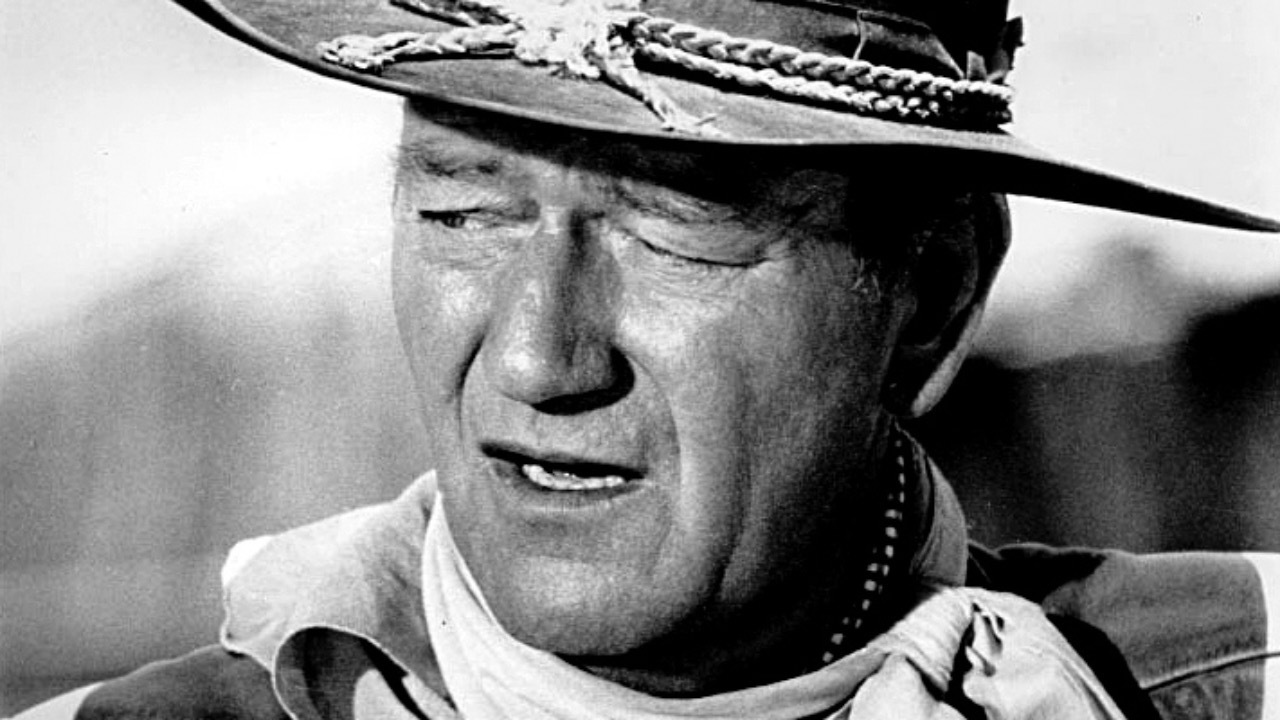
Hollywood tends to give us one kind of cowboy, the John Wayne type, white, stoic, and usually alone at the bar. The real West was more complicated, and so were the tastes that walked through a saloon door. The fact is that conventional thinking about the Wild West is still too John Wayne-y, a narrative that casts the heroes as almost exclusively white Americans and leaves out Mexican vaqueros, Native hands, Black cowboys, and Hawaiian paniolo who all worked cattle and spent money in town.
One account of three Hawaiian riders who competed in frontier-era rodeos points out that the story of the Wild West has long ignored Native and African American cowboys, paniolo and more, even though they were right there in the thick of it. That broader mix of people meant saloon food had to appeal to a wider range of palates than the movies admit, and it helps explain why a piece on how three Hawaiian cowboys won the Wild West stresses that conventional thinking about the Wild West is too John Wayne focused and that we should remember the role of Wild West paniolo alongside John Wayne.
What the photos show: canned fruit and hard reality
Written accounts are one thing, but the photographs from the era tell their own story. In one 1907 image from the OX Ranch in Texas, a long table is set up outdoors, with Texas Cowboys seated on wooden chairs and a few men standing with hats in hand. The table is loaded with food, but the detail that stands out is what is in the bowls and cans, not some giant steak platter.
The description of that picture explains that it was taken in 1907 and shows a group of Texas Cowboys pausing for lunch, and that the men are eating canned tomatoes while both canned tomatoes and canned peaches were cowboy favorites on the range. That snapshot, preserved in a caption that notes how Texas Cowboys relied on Both canned tomatoes and peaches, lines up neatly with the written record of canned and dried fruit being a staple, and it undercuts the idea that every meal was a fresh-cut steak.
How modern historians are correcting the movie version
Today, food historians and Western buffs are doing the slow work of sorting myth from reality. They are reading old menus, cookbooks, and diaries, and they are watching the way pop culture still leans on the same tired images. When a historian sits down to react to a TV portrayal of a saloon, the first thing they often point out is how empty the tables look, with no plates or bowls in sight, even though the real rooms would have been cluttered with food.
One recent video, labeled as a historian reacts to what food was served at Wild West saloons, opens with the observation that whenever you see an old west Saloon in a TV show or a movie, they are always drinking and never eating, and then goes on to break down what was actually on offer. That commentary, which appears in a clip from Feb and focuses on the Saloon as a working business, is preserved in a recording where the speaker says “but let us just dive in whenever you see an old west Saloon in a TV show or a movie they are always drinking” before explaining the real menu, a point that is captured in the Historian Reacts segment.

Asher was raised in the woods and on the water, and it shows. He’s logged more hours behind a rifle and under a heavy pack than most men twice his age.