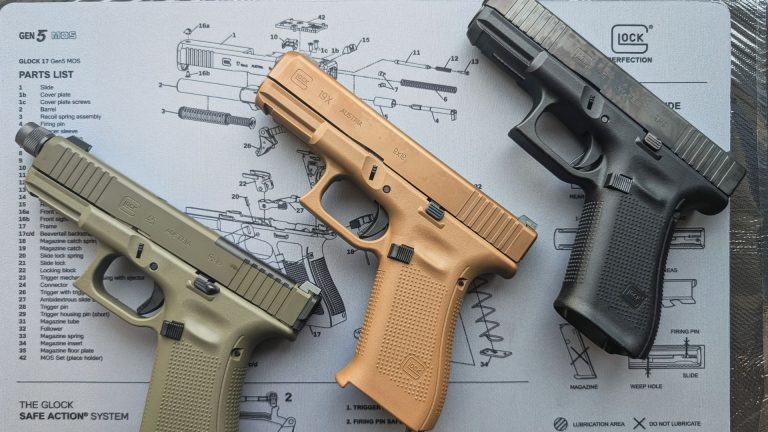
Top 10 Guns That Still Impress After Years of Ownership
Some firearms generate a quick burst of hype and then disappear into the back of the safe. Others keep proving themselves every season, on the range and in the field, long after the new‑gun shine has worn off. The models below show how thoughtful design, reliable function, and real‑world versatility can turn a purchase into a long‑term companion rather than a passing phase.
From rimfire trainers to hard‑use duty pistols, these ten guns illustrate why certain platforms keep impressing owners year after year, even as trends, politics, and range culture shift around them.
What happened
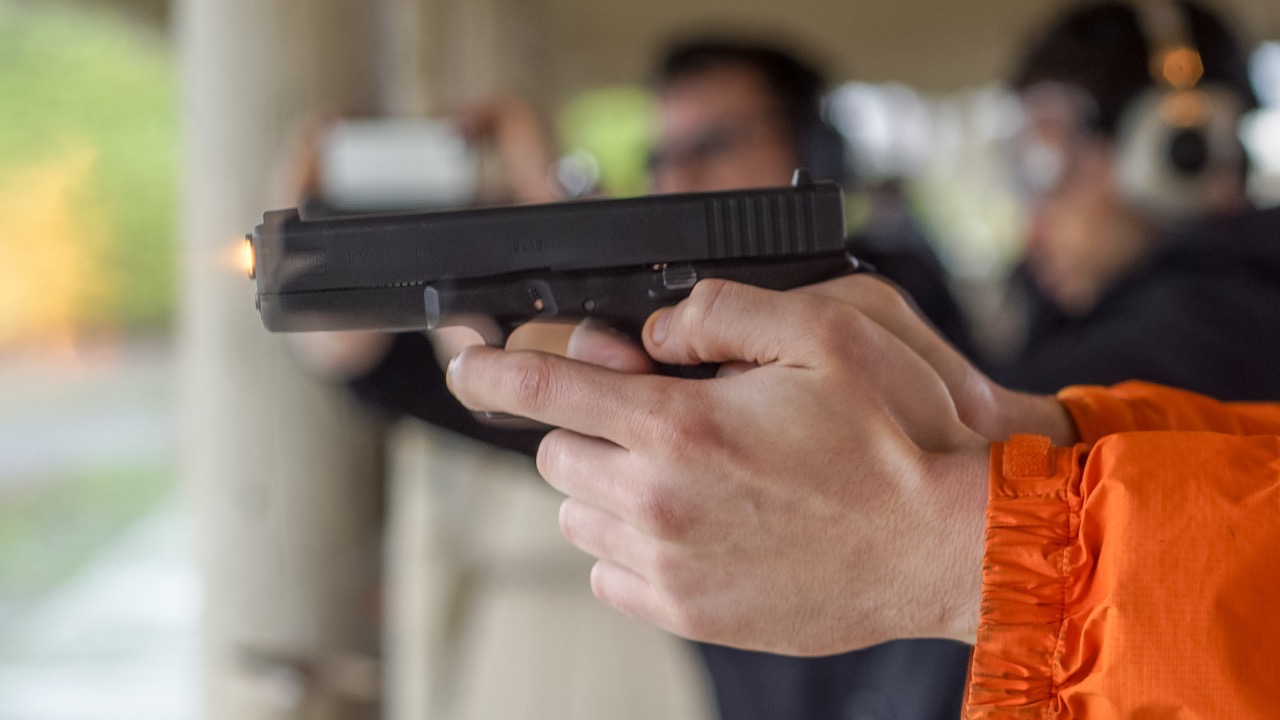
Firearms ownership has broadened in recent years, with more first‑time buyers, more women, and more LGBTQ shooters walking into ranges and clubs. Reporting on one crowded indoor range describes lanes filled with newcomers and longtime enthusiasts sharing space, instruction, and safety rules. That mix of experience levels highlights a simple reality: some guns are forgiving enough for beginners yet refined enough that experienced shooters keep them for decades.
Across interviews with instructors, competitive shooters, and everyday carriers, the same models surface again and again when people talk about guns that still feel “right” after thousands of rounds. Owners describe pistols that have ridden through years of concealed carry without a single malfunction, .22s that train three generations on the basics, and shotguns that move from clay fields to duck blinds without complaint.
Those long‑term impressions tend to cluster around a few traits: durable internals that shrug off heavy use, ergonomics that fit a wide range of hands, and controls that remain intuitive under stress. Support from a healthy aftermarket also matters, so a gun can evolve with its owner, whether that means better sights, a suppressor, or a different stock. When shooters explain why they still love a gun ten years later, they rarely mention marketing. They talk about how it behaves when the buzzer sounds or when a new shooter nervously picks it up for the first time.
The list below looks at ten platforms that consistently earn that kind of loyalty, organized less as a ranking and more as a cross‑section of what long‑term satisfaction actually looks like.
Why it matters
For people who carry a firearm for self‑defense, a gun that keeps impressing after years of ownership is not a luxury item. It is a core safety tool. Owners who rely on a handgun every day tend to gravitate toward designs that have proven reliable in everything from concealed carry classes to high‑round‑count training courses. When a pistol can run through thousands of practice rounds without parts breakage or unexplained stoppages, owners are more likely to keep training, which directly supports safer handling and better decision‑making under pressure.
Training culture itself has shifted as more diverse shooters enter the community. Instructors who work with LGBTQ clients, for example, describe students who may feel unwelcome in some traditional spaces but still want to learn safe gun handling and responsible storage. When the tools in their hands are soft‑shooting, easy to manipulate, and backed by a clear safety record, those students can focus on fundamentals instead of wrestling with poor ergonomics or finicky controls. Long‑lived designs that accommodate different body types and grip strengths help lower the barrier to entry for those new owners.
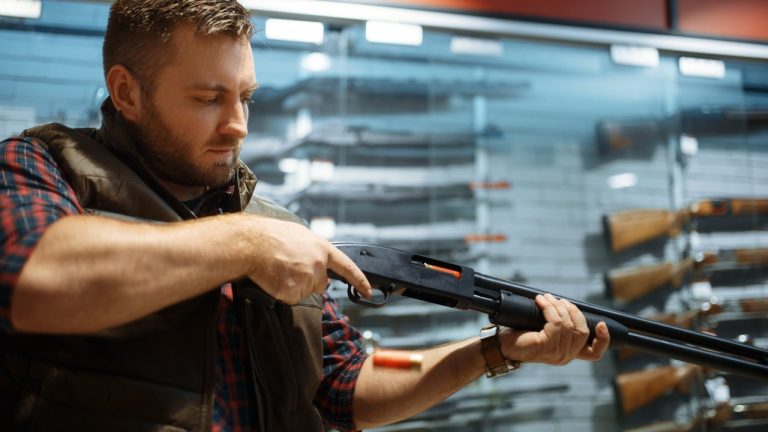
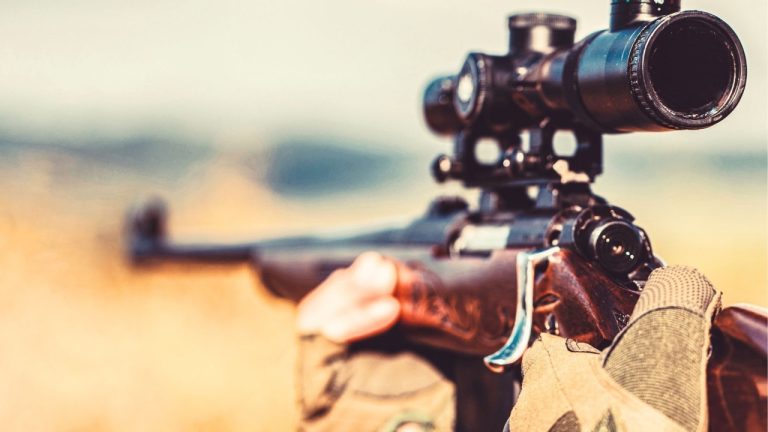
On the sporting side, hunters and competitors tend to be ruthless evaluators. A rifle that will not hold zero or a shotgun that patterns inconsistently usually gets sold off quickly. The guns that stay in the safe, or more often stay out of it, are the ones that hit the same point of aim season after season, shrug off bad weather, and accept upgrades without losing their core character. That might mean a bolt‑action that still prints tight groups after a barrel swap, or a semi‑automatic shotgun that cycles everything from light target loads to heavy waterfowl shells.
There is also a financial dimension. Firearms that keep impressing their owners typically hold value better on the secondary market. Strong resale does not matter only to collectors. It also reassures cautious first‑time buyers who worry about making an expensive mistake. Knowing that a widely respected pistol or rifle has a deep used‑gun market gives those buyers an exit ramp if their needs change, which can make them more comfortable investing in quality up front instead of chasing the cheapest option.
Long‑term satisfaction also has a subtle cultural effect. When people talk about a certain .22 that every kid in the family learned on, or a duty pistol that carried through an entire law‑enforcement career, those stories shape expectations for what a “good gun” should be. Durability, accuracy, and user‑friendliness become the standard, not flashy finishes or short‑lived gimmicks. That expectation pressures manufacturers to keep refining proven platforms instead of abandoning them for each new trend.
What to watch next
The next few years are likely to test which of today’s popular designs earn a place on future lists of enduring favorites. Several trends are already pushing manufacturers and owners toward guns that can grow over time rather than feel obsolete after a single product cycle.
Modularity is one clear direction. Pistols with removable fire‑control units, interchangeable grip frames, and easy optics mounting let owners adapt a single serialized core to new roles. A buyer might start with a compact slide and short grip for concealed carry, then add a full‑size frame and red‑dot sight for competition without changing the underlying mechanism. If those modular systems prove as reliable as more traditional designs over years of hard use, they are likely to become the new benchmark for long‑term value.
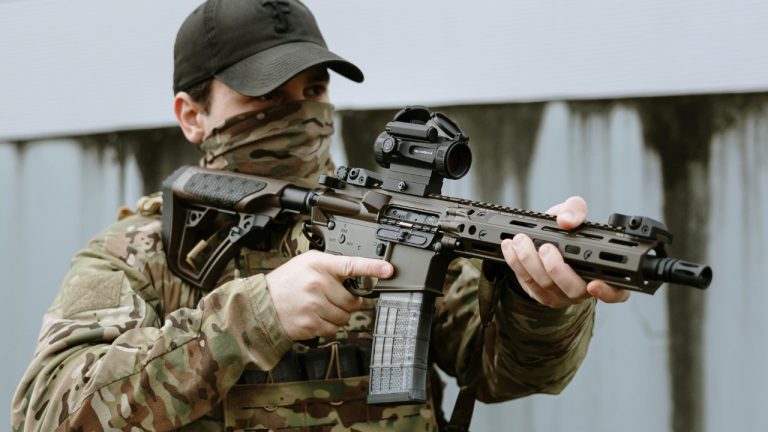
Another pressure point is the rapid normalization of pistol‑mounted optics and suppressor use. Handguns and rifles that accept common mounting footprints, offer proper sight heights, and cycle reliably with different ammunition under a suppressor will age more gracefully than models that lock owners into proprietary solutions. Shooters who invest in a can or a high‑quality optic expect to keep that setup for many years, so the host firearm’s ability to support those accessories over time will shape how fondly it is remembered.
Range culture will also influence which guns keep their reputations. As more facilities host mixed groups of experienced shooters and newcomers, the guns that instructors reach for when loaning equipment will gain an edge. Platforms with simple controls, clear sight pictures, and manageable recoil help reduce accidents and near‑misses, which matters in crowded environments where people with very different political views and personal histories share the same firing line. When a single model can serve a nervous first‑timer and still satisfy a high‑skill shooter on the next lane, it tends to build a long trail of positive stories.
Regulatory shifts may further highlight the value of guns that age well. If lawmakers tighten rules on new purchases or accessories, owners will lean more heavily on what they already have. In that environment, platforms with wide parts availability, strong manufacturer support, and a track record of running on a variety of ammunition will feel less vulnerable to supply disruptions or changing rules. Conversely, niche designs that depend on proprietary magazines or rare spare parts may see their appeal fade as uncertainty rises.
Ultimately, the guns that still impress after years of ownership share a common thread: they earn trust slowly, through thousands of trigger presses, not through ad copy. As new technologies and new demographics reshape the shooting world, that basic test will not change. Shooters will keep gravitating toward the pistols, rifles, and shotguns that prove, over time, that they simply work, fit real people, and adapt gracefully to whatever the next season brings.

Leo’s been tracking game and tuning gear since he could stand upright. He’s sharp, driven, and knows how to keep things running when conditions turn.