Tourist Safety Concerns Grow After Violent Incident at Iconic Mexican Archaeological Site
You step off the bus at Teotihuacan, the ancient pyramids rising against the sky just outside Mexico City, and for a moment it feels timeless. Thousands visit daily to climb the structures, take in the views, and connect with a civilization that thrived long before modern borders existed. Yet on April 20, 2026, that sense of wonder turned to chaos when a lone gunman opened fire from the top of the Pyramid of the Moon. A Canadian woman died, and 13 others suffered injuries ranging from gunshot wounds to those sustained while fleeing down the steep stone steps.
The attack has left travelers rethinking plans for Mexico’s renowned archaeological zones. Authorities identified the shooter as 27-year-old Julio César Jasso Ramírez, a Mexican national who acted alone and carried items linked to the 1999 Columbine shooting. No ties to organized crime emerged, which sets this incident apart from the cartel violence that often dominates headlines about the country.
What Happened at Teotihuacan
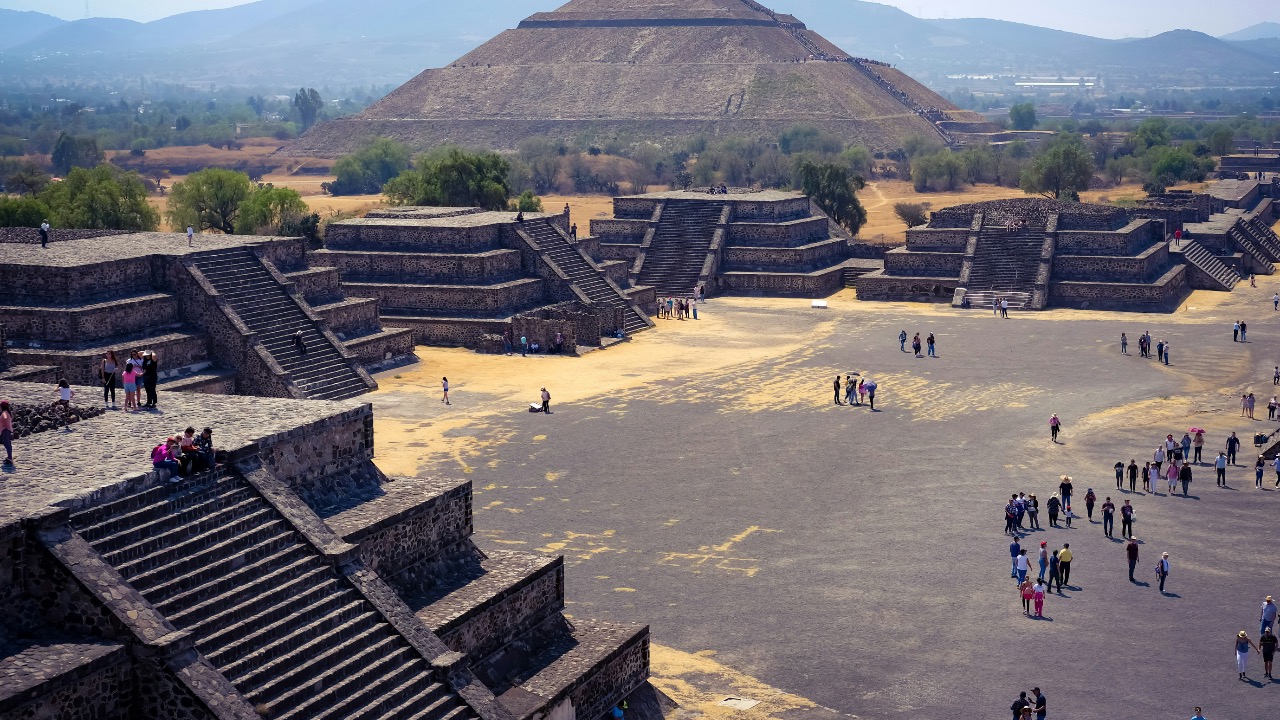
The morning started like any other at the UNESCO World Heritage site. Tourists from several countries gathered on the Pyramid of the Moon around 11:30 a.m. The gunman, positioned among roughly 60 visitors, began shooting with a revolver. Panic spread quickly as people scrambled for cover or tumbled down the pyramid’s sides to escape. Seven victims sustained gunshot wounds, while others were hurt in the rush.
Security teams arrived and found the shooter had turned the weapon on himself. The site closed immediately afterward, with National Guard members increasing their presence. Videos from the scene captured the terror as visitors lay flat against the ancient stones while shots echoed. Mexican officials described it as an isolated act, but the timing—just weeks before Mexico co-hosts the 2026 FIFA World Cup—has amplified worries about visitor protection at high-profile locations.
How Mexico Is Responding to the Attack
President Claudia Sheinbaum’s administration moved fast. Security Secretary Omar García Harfuch announced plans to strengthen measures across archaeological sites and major tourist spots. This includes more National Guard personnel, enhanced checks at entrances, and better surveillance systems.
Teotihuacan itself reopened with visible changes. Officers now use bomb-sniffing dogs and conduct bag searches. The government acknowledges that the site previously lacked certain filters because such public shootings had not occurred there before. Officials emphasize that most visits remain routine, yet they recognize the need to rebuild confidence ahead of the global spotlight from the World Cup.
Understanding the Broader Safety Picture in Mexico
Mexico attracts millions of visitors each year to its beaches, ruins, and cities. Many areas, especially in the Yucatán Peninsula, maintain relatively low crime rates aimed at tourists. Still, violence tied to organized crime affects parts of the country, and travelers sometimes find themselves near unrelated incidents.
This latest event stands out because it targeted tourists directly at a cultural landmark rather than stemming from cartel disputes. It raises fresh questions about random threats at places once considered insulated from the nation’s security challenges. U.S. and other foreign governments have updated alerts, urging caution without broadly discouraging travel to popular destinations.
Practical Steps You Can Take Before Traveling
Check current travel advisories from your home country before booking. Focus on regions with lower risk ratings, such as Yucatán or Campeche, which often receive the safest assessments. Register with your embassy’s programs so officials can reach you if conditions shift.
Stick to well-reviewed group tours at archaeological sites, arrive early when crowds are lighter, and note any restrictions on climbing pyramids that may now apply. Carry a charged phone with offline maps, and share your daily plans with someone back home. These habits help you stay aware without letting fear dictate the trip.
What the Incident Means for Future Visits to Ruins
Many travelers still plan trips to sites like Chichén Itzá or Monte Albán, drawn by their historical pull. The Teotihuacan shooting may lead to longer lines at entry points and occasional closures for security reviews, but it has not halted tourism entirely. Locals who depend on visitor spending express hope that increased protections will prevent repeats.
You weigh the risks against the reward of standing where ancient engineers built monumental structures. Most days pass without issue, yet one unpredictable moment has shown how quickly situations can change. Staying informed and flexible remains key as authorities test new safety protocols.
Staying Informed Without Overreacting
News of the attack spread rapidly, sometimes mixing facts with speculation about wider instability. Official statements stress that the gunman acted independently and carried materials suggesting personal motives tied to past mass shootings elsewhere.
Follow updates from reputable sources and local authorities rather than social media rumors. Mexico continues to welcome tourists, and many who visited Teotihuacan in the days after reported normal operations with added security. Balance awareness with the reality that millions travel safely each year.

Asher was raised in the woods and on the water, and it shows. He’s logged more hours behind a rifle and under a heavy pack than most men twice his age.