Trail Camera Captures Rare Glimpse of One of the World’s Most Endangered Animals
A hidden camera in a patch of scrub and sand has just done what most wildlife biologists can only hope for: it caught one of the world’s rarest mammals padding past in the dark, proof that a species once on the brink is still hanging on. That fleeting clip, recorded without a human in sight, is more than a curiosity; it is a data point in a global effort to keep some of the planet’s most endangered animals from disappearing.
From a northern hairy-nosed wombat in remote Australia to a Sierra Nevada red fox near Lake Tahoe and a shy wildcat in the forests of Trinidad and Tobago, trail cameras are quietly rewriting what scientists know about creatures that rarely let themselves be seen. Each new image offers a rare glimpse and a reminder that survival now depends on technology, patience, and political will working together.
The wombat that almost vanished
The star of the latest clip is the northern hairy-nosed wombat, a muscular, nocturnal burrower that lives in sandy soils and ventures out mostly under cover of darkness. Conservationists describe it as one of the planet’s most endangered mammals, with a wild population so small that every confirmed sighting carries weight far beyond the few seconds it occupies on screen.
Earlier coverage of the species makes clear just how close it came to disappearing. The population was once Reduced to just, a number so low that a single disease outbreak or wildfire could have erased the wombat entirely. That figure, 35, has become a kind of shorthand among conservation biologists for how close the species came to the edge.
The new clip, highlighted by a report that described trail footage of one of the world’s most critically animals, shows a wombat shuffling through its habitat, eyes reflecting the camera’s infrared light. For field teams, such images are not just emotionally satisfying; they confirm that individual animals are still using particular burrows and feeding areas, and that the network of protected land is doing its job.
Scientists working on the species have long argued that technology is essential because human observers can easily stress such a small population. The animals are shy, nocturnal, and live in extensive burrow systems. A trail camera can sit silently for months, recording every movement that crosses its path, and can do so without the scent, noise, or light that might cause a wombat to change its behavior.
The wombat’s recovery story, from 35 individuals to several hundred in the wild, has depended on habitat protection, predator control, and careful monitoring. Trail cameras are now part of that toolkit, helping managers decide where to expand fenced refuges, where to focus weed control, and how to track breeding success without trapping or tagging every animal.
How one clip became a conservation milestone
In the recent account of the wombat footage, the trail camera was set up as part of a broader monitoring program that checks for movement along game trails and near burrow entrances. The report described how the clip was shared widely, with observers calling it “very gratifying to know” that the animal was still present in that part of its range, language that captured both relief and cautious optimism.
That reaction reflects the high stakes around each confirmed wombat sighting. With such a small population, researchers pay attention to details that might seem minor in other species: the animal’s apparent body condition, whether it appears alone or followed by a younger wombat, and how it navigates its environment. A single video can hint at whether food is abundant, whether predators are nearby, or whether the animal is limping or otherwise injured.
Trail cameras also help resolve practical questions that would be almost impossible to answer otherwise. Managers can compare footage over time to see if wombats are shifting their activity in response to heat waves, drought, or human disturbance. They can identify which burrows are most active and therefore most important to protect from flooding or erosion. In effect, every clip becomes a tiny, time-stamped data point in a long-term study of survival.
For the public, the wombat clip functions differently. It turns an abstract statistic into a living, breathing creature. People who have never heard of the northern hairy-nosed wombat suddenly see a compact, powerful animal moving with purpose through the night, and that image can make calls for funding or policy change feel more urgent and concrete.
From 35 survivors to a fragile comeback
The figure of 35 individuals is not just a historical curiosity; it shapes how conservationists plan for the future. A population that small faces genetic bottlenecks, where reduced diversity can make it more vulnerable to disease or environmental change. Managers must think not only about how many wombats exist, but how they are distributed, how related they are, and whether their habitat can support more.
Reports that the population has climbed into the hundreds show that targeted interventions can work. Predator fencing, supplemental feeding during drought, and strict control of human access have all played a role. Yet the species remains one of the world’s most critically mammals, and its entire global population still fits within a handful of protected sites.
In that context, a single trail camera clip is less a feel-good viral moment and more a checkpoint in a decades-long recovery effort. It confirms that the strategies built after the population hit 35 are still working, at least in that location. It also highlights how fragile the gains remain, since the same cameras could just as easily capture evidence of feral predators, habitat degradation, or declining activity.
Conservation planners now use such footage to argue for redundancy. If all wombats live in one or two areas, a single catastrophe could undo years of work. Trail camera data can help identify candidate sites for future translocations by showing where habitat is already being used by other native species and where threats like invasive predators are relatively low.
Trail cameras as quiet field partners
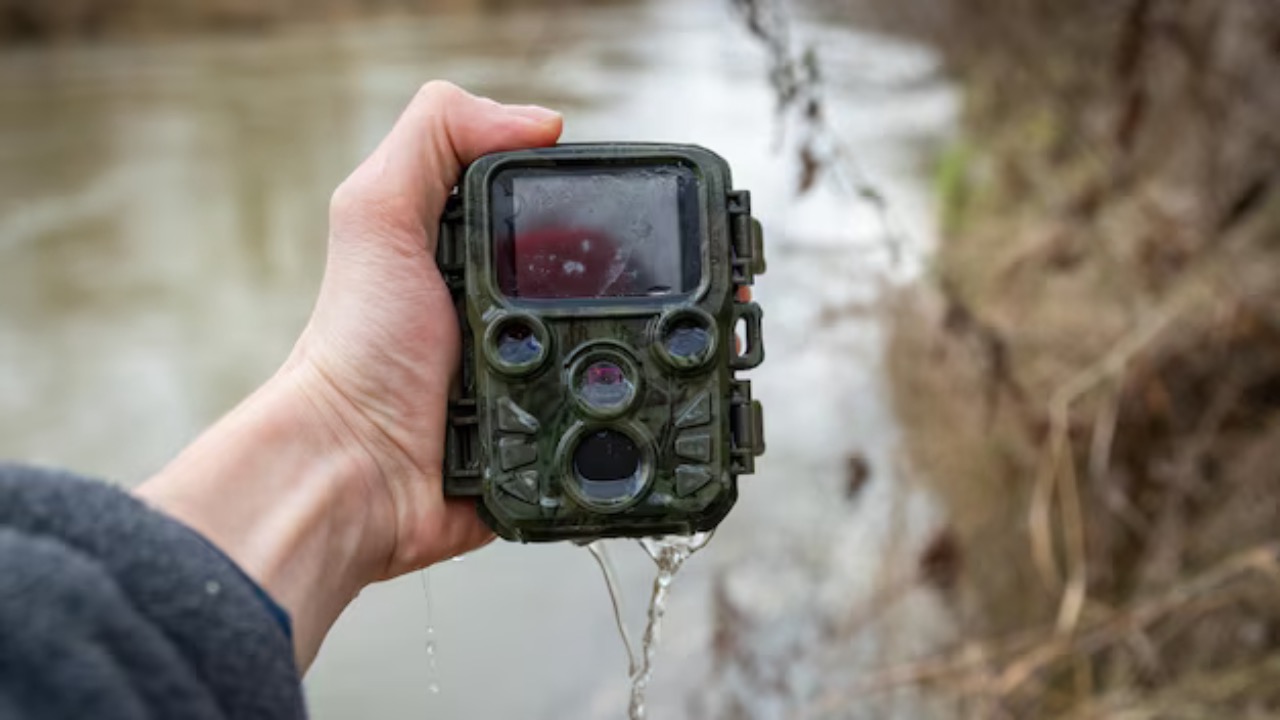
The wombat footage sits within a broader shift in wildlife research. Trail cameras, sometimes called camera traps, have become standard equipment for field biologists working on elusive or nocturnal species. They are relatively inexpensive, can be deployed in large numbers, and can operate continuously through heat, rain, and darkness.
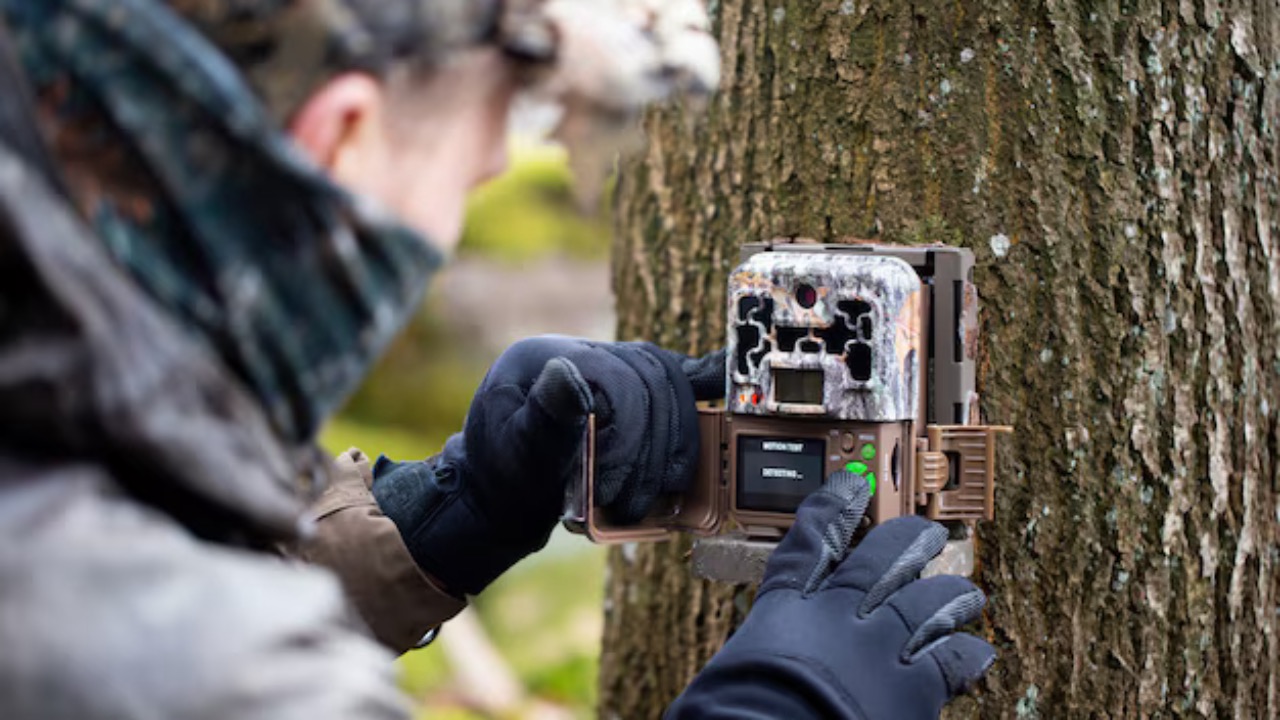
For endangered animals, this technology changes the balance between knowledge and intrusion. Instead of tracking animals with frequent captures or collars, researchers can scatter cameras along ridgelines, creek crossings, and burrow networks, then retrieve memory cards weeks later. The result is a record of presence, behavior, and timing that would be hard to obtain any other way.
These systems also create a visual archive that can be shared beyond the scientific community. Short clips can travel quickly on social media, turning obscure species into minor celebrities and helping conservation groups make the case for funding or legal protection. The wombat clip that prompted the recent coverage is an example of that dynamic, where a technical monitoring tool produces a piece of storytelling that resonates far beyond the study site.
At the same time, the reliance on cameras introduces new challenges. Researchers must manage huge volumes of data, protect equipment from theft or vandalism, and avoid bias in where they place cameras. Yet the benefits for rare species are clear, especially when the alternative is relying on scattered eyewitness reports or indirect signs like tracks and scat.
A Sierra Nevada red fox steps into frame
The wombat is not the only endangered animal to make a surprise appearance on camera this year. In a separate development, a Sierra Nevada red was captured on a trail camera near Blackwood Canyon on the western shore of Lake Tahoe. Wildlife officials in the California Depart described the find as a major event, since sightings of this subspecies are extremely rare and its population is considered very small.
The Sierra Nevada red fox is adapted to high-elevation environments, with thick fur and a preference for remote, rugged terrain. Historical trapping and habitat changes severely reduced its numbers, and for years it was unclear whether any individuals persisted in some parts of its former range. A trail camera in Blackwood Canyon changed that by recording a fox moving through the snow near Lake Tahoe, a location that confirms the animal is still using that part of the Sierra Nevada.
For biologists, the footage provides more than a simple “yes” to the question of presence. The way the fox moves, the condition of its coat, and the time of night it appears can all feed into assessments of health and habitat quality. When combined with other camera sites, such clips can help map corridors that the fox uses to move between higher and lower elevations, information that is vital for planning around climate change.
The California Depart teams that monitor high-country wildlife now treat camera networks as an essential part of their toolkit. In areas where deep snow and steep slopes make regular surveys difficult, a few strategically placed cameras can work continuously, even when storms keep people away for weeks.
Hidden wildcats in Caribbean forests
Trail cameras are also reshaping what people know about wildcats in unexpected places. In Trinidad and Tobago, a short video shared by a regional account described how, Hidden deep within, the island’s only native wildcat was recorded moving cautiously through dense vegetation. The clip, which drew 96 likes and 1 comment, gave researchers a rare glimpse into the animal’s world and confirmed its continued presence in a landscape under pressure from development and agriculture.
That wildcat is part of a broader group that includes species such as ocelots, medium-sized spotted cats that range across parts of the Americas. These animals are notoriously secretive, relying on camouflage and dense cover to hunt and avoid larger predators. Direct observation is rare, especially in heavily forested terrain where visibility is limited and human presence can quickly alter behavior.
Trail cameras bridge that gap by watching quietly along game trails and stream crossings. In the Trinidad and Tobago case, the footage confirmed that the wildcat is still using certain forest patches, information that can guide decisions about which areas to prioritize for protection. It also provides visual proof that can support arguments against clearing remaining habitat for roads or housing.
The social media metrics around the clip, including the 96 likes, hint at another aspect of modern conservation: local pride. When people see that their island hosts a unique wildcat that exists nowhere else, they may be more inclined to support protected areas or enforcement against poaching. Trail cameras, in this sense, become tools for community engagement as well as scientific research.
Why rare footage matters beyond the moment
Across these examples, a pattern emerges. Each new trail camera clip of an endangered animal carries several layers of meaning. It confirms presence in a specific place and time, provides behavioral and health clues, and can influence public opinion and policy debates.

Leo’s been tracking game and tuning gear since he could stand upright. He’s sharp, driven, and knows how to keep things running when conditions turn.