Why some military gear gets abandoned instead of recovered
You have probably come across those striking photographs of Humvees lined up in the Afghan sun or aircraft parked and silent long after the last American flight out. The questions follow naturally. How does equipment worth billions end up sitting there instead of coming home? The truth lies in the hard realities of war, not in carelessness or indifference. Over years of watching operations from Vietnam through the Gulf to the 2021 withdrawal, the pattern holds. Commanders weigh lives, time, money, and terrain against the value of hauling everything back. Sometimes the math says leave it. The choice is never easy, yet it is almost always deliberate. What follows explains the main reasons this happens, drawn from actual operations and logistics decisions that shape every modern conflict.
The frantic timeline of a major pullout
When forces must leave on a tight schedule, there simply is not enough time to load every vehicle and crate. In the final weeks of a withdrawal, priority goes to people first, then sensitive items, and finally whatever transport remains. Heavy gear that requires cranes or specialized trailers falls to the bottom of the list. You see the pressure build as deadlines approach and threats increase on the ground. Units focus on getting everyone out safely rather than organizing a full inventory and convoy. The result is that functional equipment stays behind because the clock runs out before the trucks can roll. Commanders accept this trade-off because human lives carry more weight than hardware in those final hours.
The same dynamic played out in earlier conflicts when retreats happened under fire. Troops destroy what they cannot carry to keep it from immediate use, but not everything can be rigged with charges in the available minutes. The gear sits where it was last parked, waiting for whoever arrives next. This is not about neglect. It is about survival math under extreme pressure.
Recovery expenses that outweigh the equipment value
Bringing damaged or distant gear back often costs far more than replacing it later. Fuel, personnel hours, security details, and transport ships add up quickly. A single tracked vehicle stuck in soft soil might need two recovery teams and a low-bed trailer just to reach an airfield. When accountants run the numbers against the original purchase price or current replacement cost, the operation frequently makes no financial sense. Military planners accept the loss when the math tilts this way. They know future budgets will cover new purchases more easily than funding a risky salvage mission.
This calculation repeats across decades of operations. Older equipment in poor condition receives even less consideration because its remaining service life is short. The decision spares resources for newer systems that troops actually need in the next fight. You end up with rows of abandoned trucks or tanks because the ledger shows recovery would drain accounts without delivering real readiness.
Risks that put service members in unnecessary danger
Sending teams back into contested areas to retrieve gear exposes them to mines, ambushes, and ongoing fire. Commanders refuse to trade fresh casualties for metal and rubber. The human cost of one recovery patrol can exceed the tactical value of the equipment by any measure. In hostile zones the risk multiplies because enemy forces may already control the ground or plant new threats around visible targets. Safety protocols therefore favor abandonment over retrieval when lives are on the line.
This approach has guided decisions in every theater where forces have withdrawn under pressure. Leaders protect their people first and accept that some hardware will remain. The choice reflects long-standing doctrine that treats personnel as the irreplaceable asset. Gear can be rebuilt. People cannot.
Equipment that loses its edge without constant upkeep
Much modern military hardware depends on specialized parts, software updates, and contractor expertise that vanish once American forces depart. Without trained maintainers and supply lines, vehicles and aircraft quickly become inoperable. Planners know this reality when they decide what to leave. The equipment may look intact on the runway, yet it holds little long-term value to the departing side once support ends. Recovery teams would only be hauling back items that require extensive depot work anyway.
You notice this pattern with advanced systems that local forces cannot sustain on their own. The gear sits idle because its true capability died the day the last technician flew home. Abandoning it avoids wasting effort on assets that would need full rebuilds stateside before reuse.
Terrain and location that complicate every move
Remote deserts, mountains, or islands turn simple towing jobs into major engineering challenges. Soft sand swallows tires, narrow roads collapse under weight, and distance from friendly bases stretches supply lines thin. Recovery crews need fuel, spare parts, and protection just to reach the site. When the geography fights back, the operation becomes impractical. Commanders weigh these obstacles and often conclude the gear should stay where it is.
Pacific atolls still hold rusting vehicles from World War II for exactly this reason. The cost and difficulty of extraction outweighed any benefit decades ago, and the same logic applies today in rugged terrain. Location alone can make recovery impossible within reasonable time and budget.
Decisions made to keep the enemy from gaining an advantage
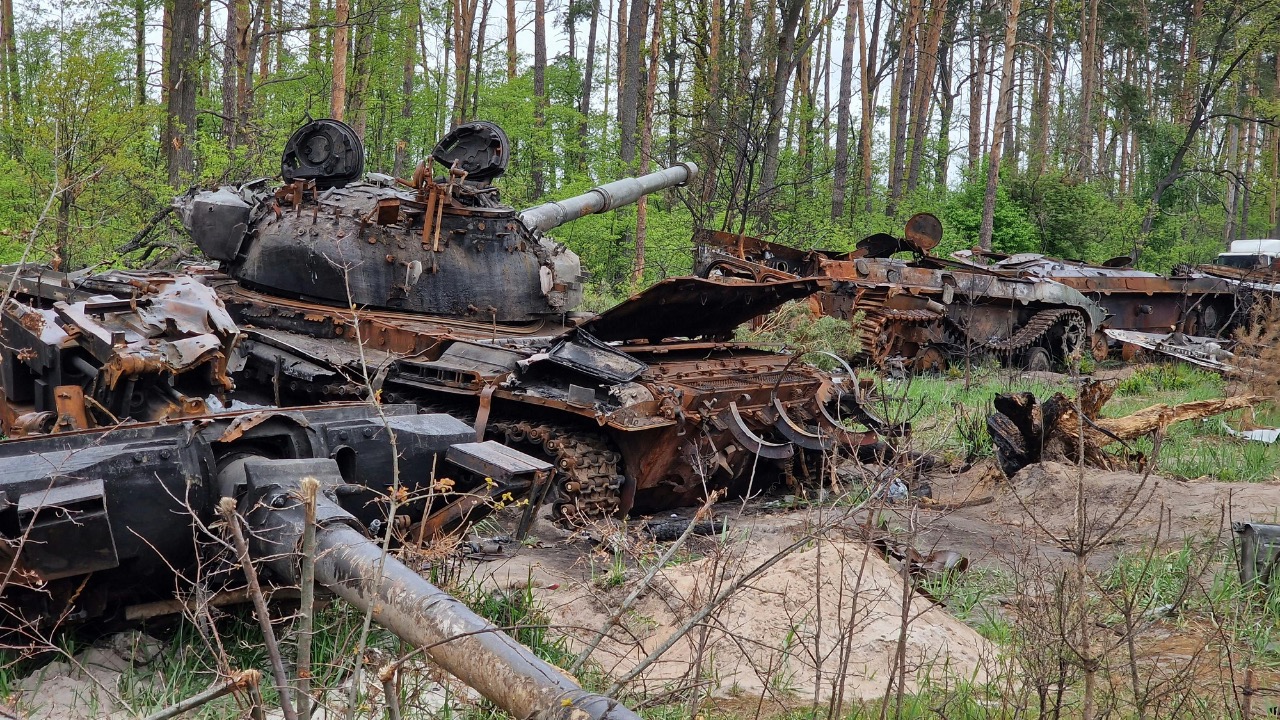
Sometimes forces destroy what they cannot carry to prevent immediate enemy use. When destruction is not feasible, they leave the gear behind in a condition that limits its value. Planners calculate that an abandoned tank without ammunition or fuel poses less threat than one handed over intact. This denial strategy has roots in basic military logic and appears in conflicts from Europe in 1945 to current battlefields. The goal is to slow the opponent even if the equipment cannot come home.
You see the outcome in footage of disabled vehicles scattered across retreat routes. The choice protects friendly forces down the line by reducing what the other side can turn against them right away.
Gaps in accountability that let supplies slip through
Large-scale operations generate mountains of inventory data that do not always match the physical count on the ground. Excess items accumulate in warehouses or forward bases without clear ownership once units rotate out. When withdrawal orders arrive, some gear simply falls off the tracking list because no one has updated the records in months. Bureaucratic friction then makes retrieval more trouble than it is worth. The system is built for speed in combat, not perfect bookkeeping.
This issue surfaces regularly in after-action reviews. Units focus on fighting rather than endless paperwork, so small discrepancies grow until equipment is effectively orphaned. The result is gear that no one claims during the final push.
Patterns repeated from one conflict to the next
Abandonment is not new. From Pacific islands after 1945 to the deserts of the Middle East, the same pressures appear whenever forces must leave quickly. Planners study past withdrawals and still reach similar conclusions because the core constraints never change. Lives, time, money, and terrain set the limits. Understanding this history helps explain why images of idle military hardware keep appearing. The decisions are tough, but they follow consistent logic shaped by the demands of real operations.

Asher was raised in the woods and on the water, and it shows. He’s logged more hours behind a rifle and under a heavy pack than most men twice his age.