How Ammo Choice Impacts Real-World Reliability
Every shooter eventually discovers that reliability is not just about the gun. The cartridge you feed it can decide whether a critical shot fires cleanly, dribbles out of the barrel, or fails to ignite at all. Ammo choice shapes how consistently a firearm cycles, how long it stays in serviceable condition, and how predictable its performance is when the stakes are highest.
From defensive handguns to suppressed rimfire rifles and belt‑fed machine guns, real‑world experience shows that ammunition design, quality control, and even primer chemistry can make or break reliability. I will walk through how those factors interact, drawing on ballistic testing, competitive shooting insight, and hard lessons from both civilian ranges and military ranges.
Reliability as a mission-critical standard

In any context where lives or livelihoods are on the line, reliability is treated as a non‑negotiable standard rather than a luxury. Engineers who build rugged military power systems describe reliability as “mission‑critical,” and the same mindset applies to ammunition. A cartridge that fails to fire or jams a weapon at the wrong moment can compromise a defensive encounter, a law‑enforcement operation, or a military mission just as surely as a failed battery or broken radio.
That is why professional users draw a sharp line between practice ammunition and duty ammunition. Guidance circulated to defensive shooters stresses that carry rounds should deliver “as close to absolute mechanical reliability as possible,” with some trainers insisting that a chosen load must run hundreds of rounds consecutively in a pistol with no stoppages before it is trusted for carry, a standard laid out in a carry ammo checklist. That expectation frames the rest of the choices shooters make about bullet design, case material, and quality level.
Training vs defensive loads: different jobs, different risks
Not all cartridges are built for the same purpose, and confusing roles is a common path to reliability problems. Ammunition makers themselves distinguish between inexpensive training rounds and premium defensive loads, a split highlighted in guidance on the Importance of Ammo and other selection factors. Training ammunition is typically built to be affordable and adequate for high‑volume shooting, while defensive ammunition is engineered for consistent expansion, penetration, and ignition under stress.
Professional security writers underline that some bullets now include polymer inserts in the hollowpoint cavity to prevent clogging through clothing, a detail flagged in a piece that notes “There are some bullets out there that have a polymer in that cavity to help prevent clogging,” and urges readers to research what is available for both training and duty ammo. That kind of design feature is irrelevant on a cheap range round but crucial for a cartridge that must expand reliably after passing through barriers, and it often comes with tighter quality control that also reduces misfires and inconsistent cycling.
Case material, coatings, and the brass vs steel debate
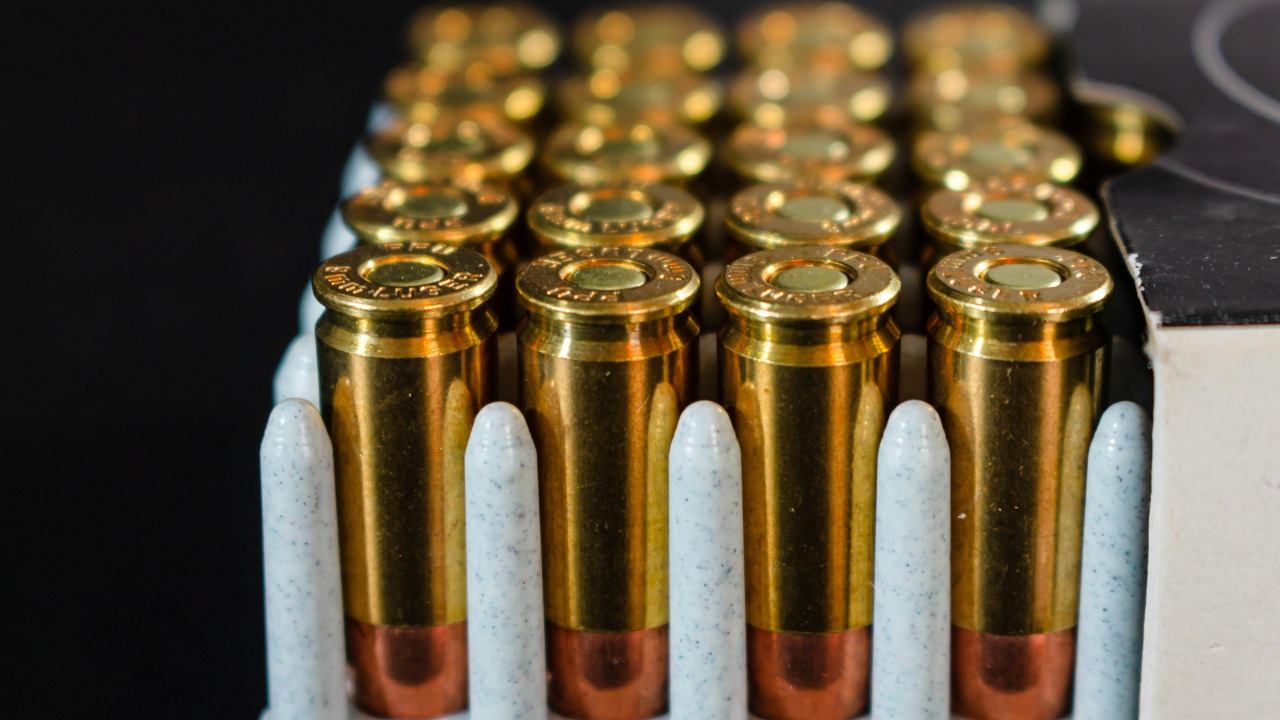
One of the most visible ammo choices shooters face is brass versus steel cases, and the decision has real implications for reliability. Brass is softer and more elastic, so it expands to seal the chamber and then contracts for easier extraction, which is why many instructors still recommend it for defensive or high‑value use. Steel cases are cheaper and can run well in many rifles, but they are less forgiving of tight chambers and marginal extraction, which can show up as stuck cases or failures to eject when a gun gets hot or dirty.
Some of the anxiety around steel comes from myths about coatings. A widely repeated claim is that lacquer on certain steel‑cased cartridges will “melt” in a hot chamber and cause extraction failures, a belief examined in a detailed brass vs steel torture test. That testing suggests the story is more complicated, with fouling and chamber dimensions playing a larger role than liquefied lacquer, but the core reliability lesson remains: case material and coating interact with a specific firearm’s tolerances, and shooters who push steel‑cased ammo hard without cleaning or testing can see reliability degrade faster than with brass.
Quality control, factory new vs remanufactured, and “bad ammo” failures
Beyond case material, the consistency of how a cartridge is built is one of the strongest predictors of reliability. Manufacturers that sell Factory New ammunition emphasize that every component, from brass to primer, is new and produced under tight quality control to ensure consistent ignition and pressure. Remanufactured ammunition, by contrast, reuses cases and may rely on more variable brass sources, which can introduce subtle differences in case capacity, neck tension, or hardness that show up as erratic velocities or occasional feeding issues.
Shooters who have lived through “bad ammo days” describe the failure modes in blunt terms. In one widely shared discussion of how bad quality ammunition affects reliability, users list squib loads that leave a bullet lodged in the barrel, cracked or malformed cases that will not feed, and cartridges with too much powder that can damage the gun, all under the umbrella of bad quality ammo. Another commenter notes primers that fail to ignite when struck, a reminder that even a mechanically perfect firearm is only as reliable as the tiny metal cup and chemical compound at the back of each case.
Accuracy, consistency, and why match ammo behaves differently
Reliability is often framed as “does it go bang,” but for competitors and precision shooters, repeatable accuracy is part of the same equation. Experienced small‑bore and high‑power shooters point out that ammunition which “tends to run” very consistent velocities and point of impact is what wins matches, because rankings at the highest level are often decided by decimal scoring, a point made in a discussion of how Very small differences separate winners from the pack. In that environment, a round that occasionally throws a flyer is functionally unreliable, even if it never jams the gun.
Competitive shooters also note that some brands and specific loads simply group better in particular barrels, because of how bullet shape, bearing surface, and powder burn rate interact with barrel length and twist, a nuance explored in a discussion of Why some brands shine in certain rifles. Another technical breakdown of match ammunition starts with lead as a softer bullet material, then explains how copper jackets and careful control of powder charges reduce the risk of squib loads and improve consistency, arguing that “consistency of the components” is what makes match ammo worth it, a point laid out in a Sep analysis of match‑grade design.
Bullet design, terminal performance, and defensive reliability
For defensive use, reliability is inseparable from what the bullet does after it leaves the muzzle. Ballistic gel testing of modern hollowpoints shows that some loads expand and penetrate within ideal ranges across a variety of barriers, while others plug up or under‑penetrate, a pattern documented in extensive ballistic tests of self‑defense ammo. A cartridge that feeds and fires but fails to reach vital organs, or that over‑penetrates and endangers bystanders, is not delivering the kind of real‑world reliability defensive shooters are paying for.
Specialized bullet designs also matter in niche roles like dangerous‑game hunting. Companies that sell Rifle Ammo for everything from small varmints to African dangerous game emphasize that their loads are tailored to specific impact velocities and target types. In that context, a bullet that breaks apart on a large animal instead of driving deep is a reliability failure with potentially lethal consequences for the hunter, which is why brands like Choice Ammunition market premium controlled‑expansion and solid bullets alongside inexpensive range fodder.
Platform-specific demands: from AR-15s to miniguns and suppressors
Different firearms impose different demands on ammunition, and reliability often hinges on matching the cartridge to the platform. Guidance on Choosing the Right stresses that selecting the correct bullet weight, pressure level, and construction for a given gun improves both safety and performance. For AR‑15 owners, one technical breakdown of upgrades gives an “Honorable Mention” to good ammunition, noting that quality loads “Provide consistent velocity,” which keeps rounds landing in the same area and improves effectiveness when used for hunting or defense, a point made explicit in the Honorable Mention discussion of ammo as an upgrade in its own right.
At the extreme end of volume fire, belt‑fed systems like the M134D Minigun are brutally honest about ammunition quality. A technical overview of that platform notes that reliability is “totally ammunition‑dependent,” and that “All the ammo that the U.S. operates” through it must meet stringent standards to avoid jams at rates of fire that can exceed 3,000 rounds per minute, a point spelled out in the All the ammunition discussion. On the opposite end of the spectrum, suppressed rimfire rifles demand subsonic and clean‑burning loads, because the best rimfire ammo for suppressors is described as “subsonic and clean,” with subsonic rounds reducing the ballistic crack and clean powders keeping suppressors from fouling out, guidance captured in a Subsonic rimfire overview.

Leo’s been tracking game and tuning gear since he could stand upright. He’s sharp, driven, and knows how to keep things running when conditions turn.