Trump claims US has ‘very little inflation’ – if you ignore the price of gasoline and energy
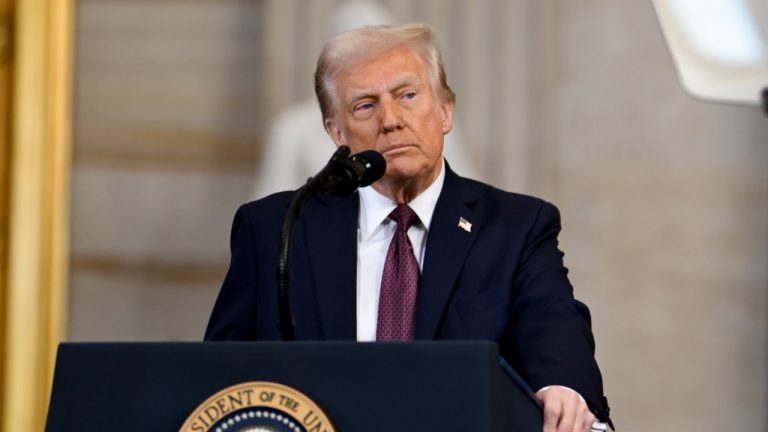
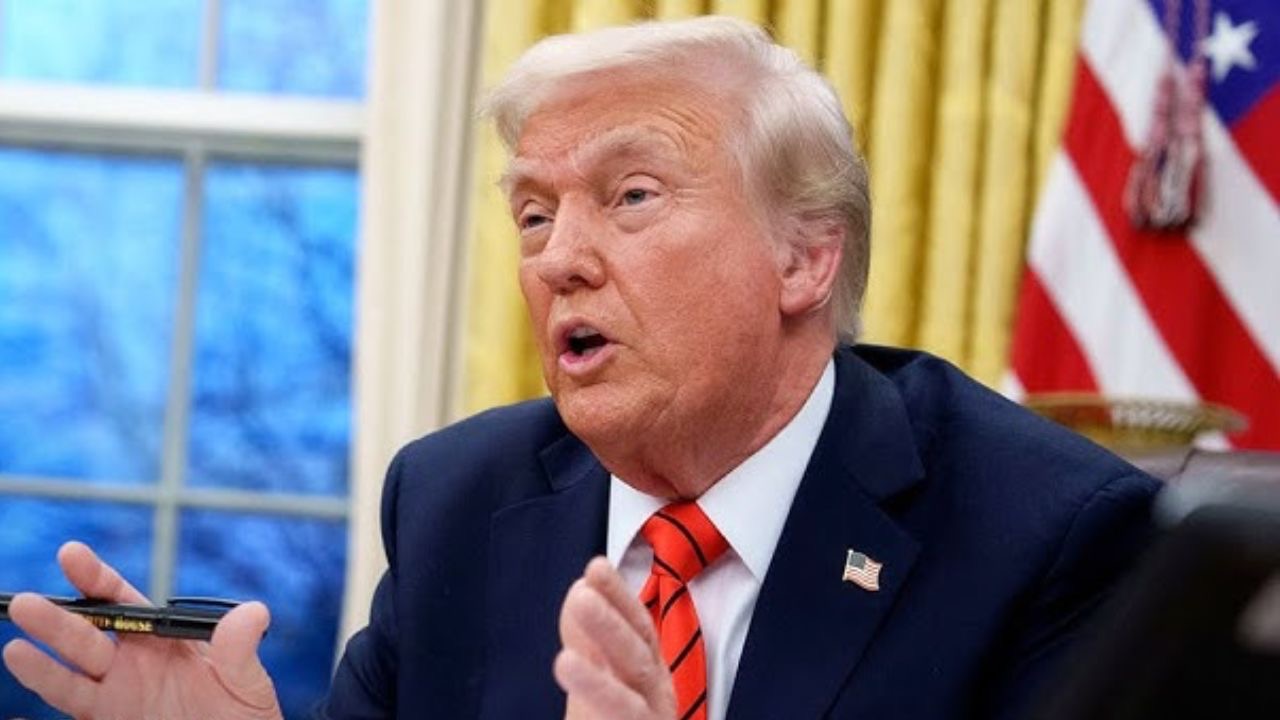
President Donald Trump has repeatedly suggested that inflation in the United States remains under control, often pointing to measures that set aside certain volatile costs. His remarks come as many households grapple with higher expenses at the pump and for heating. Economists note that while some parts of the economy show stability, the overall picture includes noticeable pressures from global events, particularly the conflict involving Iran that has disrupted oil supplies. This approach to discussing inflation highlights a common debate over which metrics best capture the experiences of ordinary Americans.
The recent surge in headline inflation
The Consumer Price Index rose to 3.8 percent for the 12 months ending in April 2026, its highest level since May 2023. Energy costs played a major role in that increase, jumping 17.9 percent over the year. Gasoline prices climbed even more sharply, up 28.4 percent. These shifts trace back largely to supply disruptions tied to international tensions in the Middle East.
Trump has described the broader inflation environment as manageable when viewed through certain lenses. Officials in his administration emphasize progress made earlier in the term before external shocks took hold. Yet data from the Bureau of Labor Statistics shows the acceleration in prices has affected transportation and household budgets in visible ways. Families in states like Texas have felt these changes during daily commutes and seasonal energy needs.
How energy prices drive the gap
Energy and gasoline stand out as the primary reasons headline inflation exceeds other readings. Without them, core inflation sits closer to 2.8 percent. This difference matters because everyday costs for fuel directly hit drivers and businesses that pass expenses along in higher goods prices. Oil prices rose above $100 a barrel amid the conflict, pushing national average gas prices toward $4 or higher in many areas.
Trump has argued that these increases represent temporary factors rather than failures of domestic policy. He notes that the United States produces significant amounts of oil and could see relief once stability returns overseas. Still, the immediate effect leaves many Americans paying more to fill tanks and heat homes, even as other categories like shelter show steadier growth around 3.3 percent.
Core measures and their limitations
Core inflation, which strips out food and energy, has edged up modestly to 2.8 percent. Supporters of the administration point to this figure as evidence of underlying stability in the economy. It reflects slower changes in areas such as rent, medical care, and certain services. Policymakers often rely on it to gauge long-term trends less swayed by global commodity swings.
Critics counter that excluding these categories overlooks real burdens on working families. Transportation costs overall rose 7.1 percent, with gasoline contributing heavily. Food prices increased 3.2 percent, adding to grocery bills. For people in Dallas and similar cities, these combined pressures shape perceptions more than any single adjusted statistic.
Public experiences amid the numbers
Surveys show growing frustration over the cost of living, with many citing gas and energy as key concerns. Even with some areas of the job market holding firm, the pinch at the pump influences decisions on travel, shopping, and household spending. Polls indicate a majority of respondents view recent price changes as affecting their finances directly.
Trump maintains that conditions will improve as geopolitical issues resolve. His comments frame the current situation as one where certain costs are being unfairly emphasized by opponents. In practice, households continue to adjust budgets around fluctuating fuel prices and related ripple effects through the supply chain.
Weighing policy impacts going forward
The administration has highlighted efforts to boost domestic energy production and reduce regulatory hurdles. These steps aim to build resilience against future shocks. At the same time, economists track how broader factors like tariffs and global trade influence price levels across categories. The coming months will test whether relief materializes as hoped.
For now, the conversation around inflation remains split between official measurements and the daily realities faced by consumers. Trump’s perspective underscores one side of that divide, focusing on what he sees as manageable volatility rather than systemic trouble. Data will continue to shape how these claims hold up over time.

Asher was raised in the woods and on the water, and it shows. He’s logged more hours behind a rifle and under a heavy pack than most men twice his age.