IAEA warns Iran nuclear risks now higher than before February war
The International Atomic Energy Agency has raised fresh concerns about Iran’s nuclear activities in the wake of military strikes earlier this year. According to recent assessments, the combination of damaged facilities and restricted access has left significant gaps in oversight. This situation has heightened worries that material could shift toward unintended uses, even as Iran maintains its program operates for civilian purposes.
You face a region where past conflicts have altered the landscape for verification. Strikes in June 2025 and renewed action around February 2026 disrupted monitoring at key sites like Natanz and Fordow. The agency now struggles to track enriched uranium stockpiles that existed before the fighting intensified.
The Challenge of Lost Oversight
Access limitations create real complications for international monitors. Without regular inspections at affected facilities, the IAEA cannot fully confirm the status or location of near-weapons-grade uranium. Iran had accumulated hundreds of kilograms of material enriched to 60 percent before the latest round of strikes, and that inventory remains a focus of attention.
These blind spots increase uncertainty. Diplomats note that prolonged lack of verification raises the chance material might move outside safeguards. Iran insists cooperation continues at untouched locations, yet the overall picture stays incomplete after months without full site visits.
Impact of Strikes on Facilities
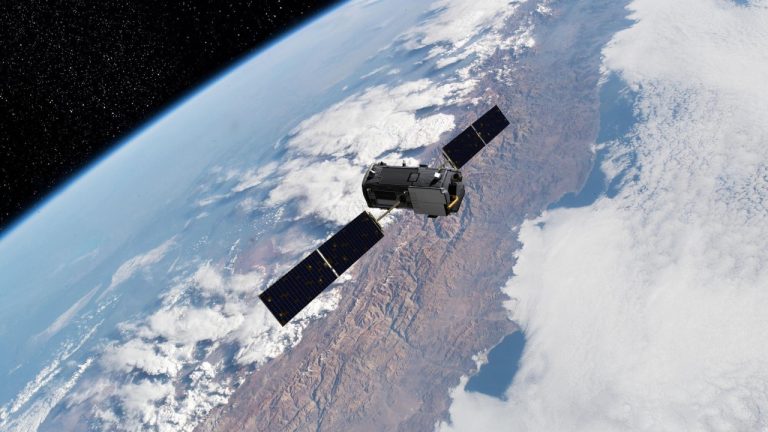
Military operations targeted enrichment sites, leaving visible damage at places such as Natanz and Fordow. Satellite images show activity around entrances, but without on-ground checks, experts cannot assess whether enrichment work has resumed or changed direction.
The situation leaves questions about potential contamination and structural integrity. IAEA officials have emphasized the need for immediate entry to evaluate risks from any radiological concerns. Iran reports no major radiation leaks so far, but the absence of independent confirmation adds to the tension.
Stockpiles and Proliferation Concerns
Before the February escalation, Iran held substantial amounts of highly enriched uranium. The agency previously tracked around 440 kilograms at 60 percent purity, material that sits close to levels usable for weapons if further processed. Post-strikes, accounting for this stock has grown more difficult.
You see how this uncertainty compounds existing issues. Iran remains the only non-nuclear state producing such material in volume. Without updated data, the risk grows that portions could support covert efforts, even though no evidence of active weaponization has surfaced in public reports.
Diplomatic Paths Forward
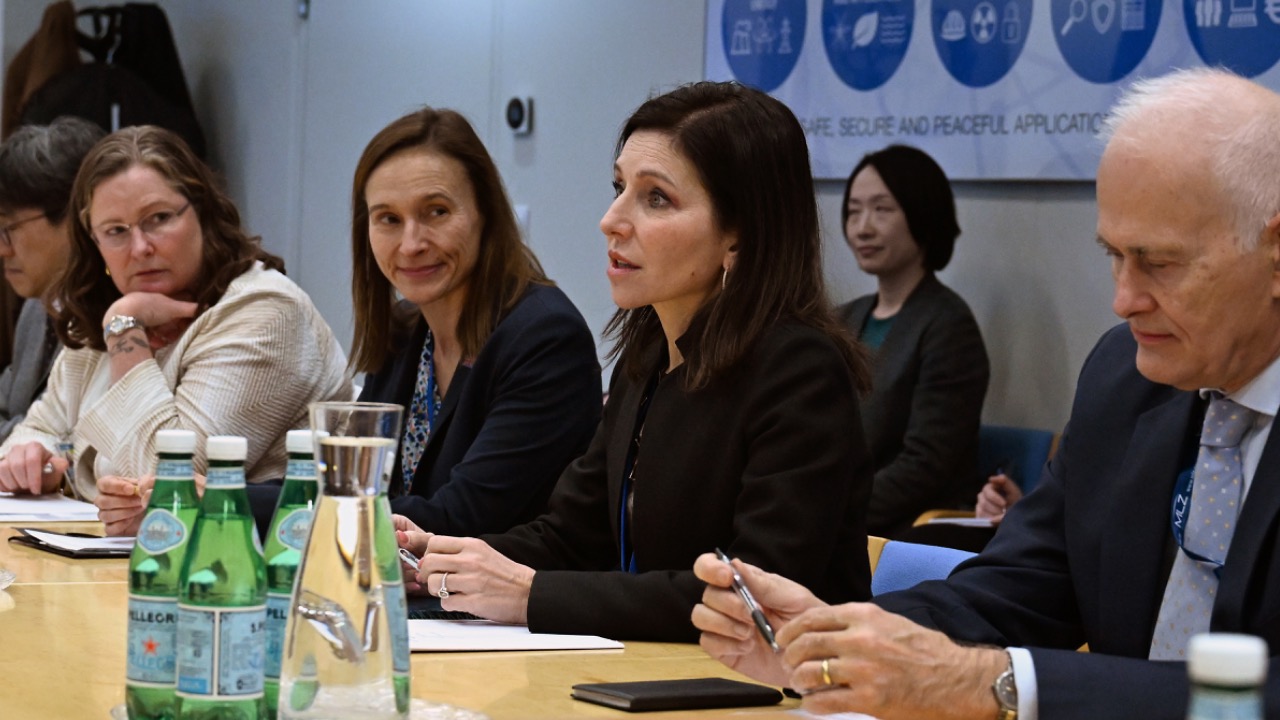
Efforts to restart talks continue through intermediaries, with meetings planned in Vienna. Both sides express interest in limiting enrichment and restoring some monitoring, yet deep distrust lingers from the cycle of strikes and responses.
Regional players watch closely as any agreement would need strong verification measures. The IAEA has stressed that future deals must address past unresolved questions about undeclared activities to build confidence and reduce the elevated risks that emerged from the recent conflicts.

Asher was raised in the woods and on the water, and it shows. He’s logged more hours behind a rifle and under a heavy pack than most men twice his age.