Trump claims White House checkpoint gunman had ‘possible obsession’ with the executive mansion
You step back from the headlines and see how quickly familiar scenes repeat in Washington. On a Saturday evening near the White House, shots rang out at a security checkpoint along 17th Street and Pennsylvania Avenue. Secret Service officers returned fire, ending the threat within moments. President Trump was inside the residence at the time and remained unaffected. A bystander caught in the crossfire sustained injuries and required hospital care. These details paint a picture of routine vigilance meeting sudden danger in the heart of the capital.
What happened at the checkpoint
Officers spotted the man pulling a weapon from a bag around 6 p.m. He opened fire toward the checkpoint area. Agents responded immediately and struck him. Medical teams transported the suspect to a hospital, where he later died. The entire exchange lasted only seconds, yet it triggered a lockdown across the complex. You sense the precision required to contain such moments without wider harm. No officers were injured during the response.
Investigators continue to examine the sequence and any items the man carried. Early reports indicate he acted alone. The quick containment prevented escalation near one of the most protected sites in the country. As details emerge, officials emphasize the coordinated efforts between federal agencies on the scene.
Trump’s public statement
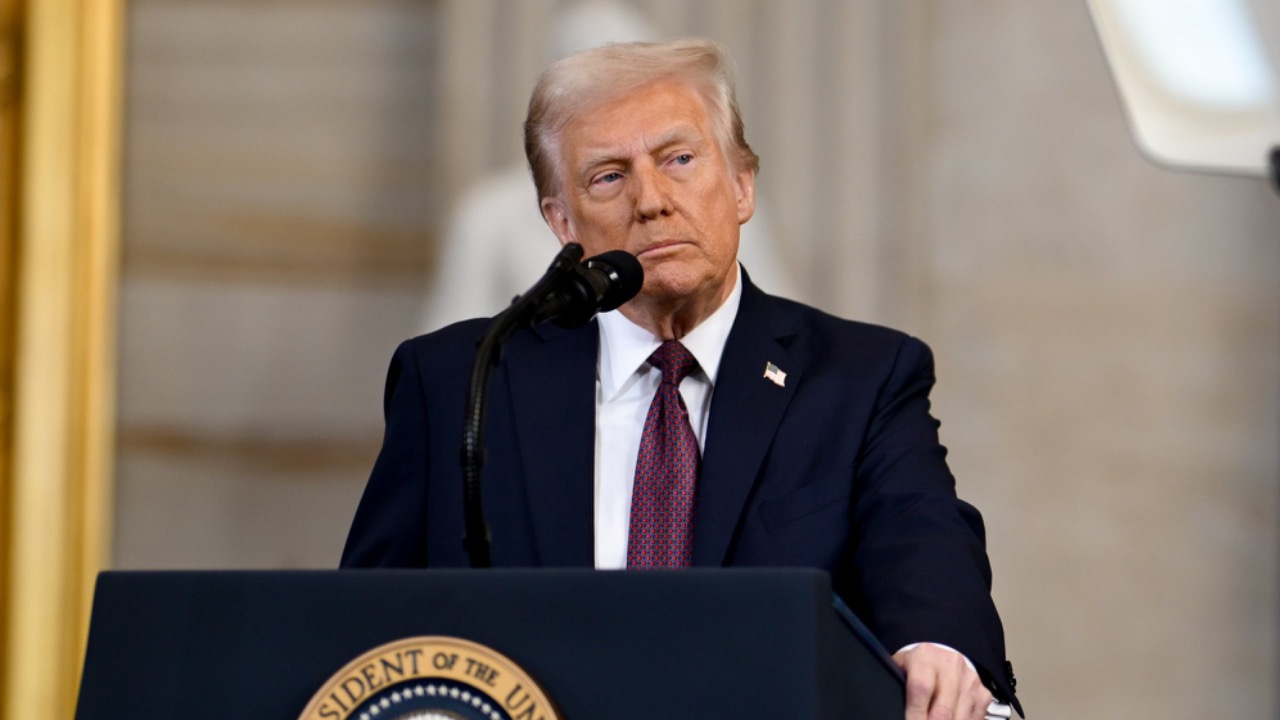
President Trump addressed the event through a late-night post on Truth Social. He thanked the Secret Service and law enforcement for their professional handling of the situation. In the message, he described the gunman as having a violent history along with a possible obsession toward the White House itself. These words framed the attack as tied to personal fixation rather than broader political motives.
You notice how the president connected this episode to ongoing security discussions. He referenced the need for stronger protections around the executive mansion moving forward. The statement arrived hours after the shooting, as the city processed another close call on federal grounds.
Profile of the suspect
Authorities identified the deceased as 21-year-old Nasire Best from the Washington area. Records show prior encounters with law enforcement near the White House grounds. Reports mention a history of mental health challenges, including previous interventions. Officials familiar with the case described patterns of erratic behavior in his past interactions.
This background adds layers to understanding the incident without simplifying its roots. You recognize that such profiles often surface after events like these, highlighting gaps in monitoring individuals who drift close to sensitive locations. The FBI leads the investigation into his full motivations.
Context of recent security events
This marks the third reported gunfire incident connected to areas near President Trump in roughly one month. The pattern includes an earlier episode at a Washington hotel during the White House Correspondents’ Dinner. Each occurrence raises questions about access and screening around high-profile sites.
As you review the timeline, the frequency stands out. Federal teams maintain constant pressure to adapt protocols amid evolving risks. Public attention turns again to how these moments affect daily operations in the capital and the safety of those who work or visit there.
Looking ahead on protection measures
Discussions around fortifying the White House have gained renewed focus following the shooting. Trump pointed to the importance of advanced security infrastructure for current and future administrations. These comments align with longer-term proposals for site upgrades.
You consider the balance between openness and defense in a democratic setting. Officials weigh historical significance against modern threats. The latest event serves as a reminder that vigilance remains essential, even as technology and procedures continue to evolve in response to real-world pressures.

Asher was raised in the woods and on the water, and it shows. He’s logged more hours behind a rifle and under a heavy pack than most men twice his age.