Trump Responds to Reports of China Preparing to Ship Weapons to Iran
You have watched the Middle East situation unfold for weeks now, with fragile pauses in the fighting after heavy strikes and a downed U.S. jet. Fresh intelligence assessments surfaced earlier this month pointing to China readying air-defense systems for delivery to Iran. President Trump stepped forward with a direct message when reporters asked him about it. His response mixed warning with later claims of quiet progress through personal diplomacy.
Reports of potential arms shipments draw fresh scrutiny
Intelligence officials flagged activity that suggested Beijing might move shoulder-fired anti-air systems to Tehran in the coming weeks. Sources described possible routes through third countries to keep things low-key. Iran had taken hits that left its defenses thinner, and the reports raised questions about whether outside help could shift the balance during the current ceasefire. You see how quickly these details spread across outlets and fueled concerns about escalation.
Officials in Washington viewed the timing as sensitive, especially with efforts underway to hold the pause in place. No shipments had been confirmed in public, but the assessments carried enough weight to prompt immediate questions at the highest levels. The focus stayed on what it could mean for aircraft operating in the region and for the broader push toward stability.
Trump’s warning comes straight from the tarmac
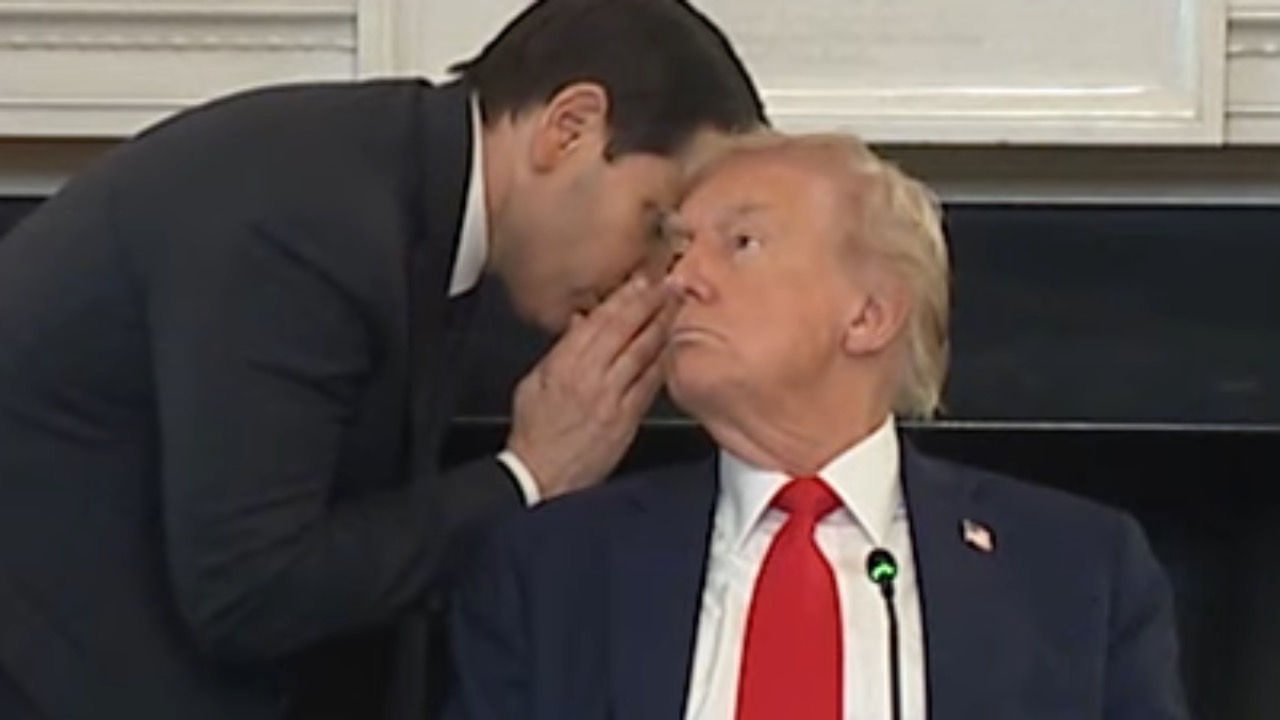
You caught the moment Trump spoke to reporters as he left the White House headed for Miami. He laid it out plainly. If China went ahead with supplying those weapons, he said, China would face big problems. The comment landed as a clear signal that Washington was watching closely and prepared to act.
His tone reflected the pressure he has kept on any outside backers of Iran throughout the conflict. Reporters pressed him on the intelligence, and he did not hedge. The exchange played out in real time, giving the public an unfiltered look at how he intended to handle the reported moves.
Tariffs enter the picture as leverage
Days earlier Trump had already floated steep economic penalties for any country sending military aid to Iran. He spoke of 50 percent tariffs on imports with no exceptions. The idea sat ready as a tool if the reports proved accurate. You notice how he tied trade pressure directly to security concerns in the region.
The threat aimed to deter action before it happened. Officials had heard the same intelligence chatter, and the tariff talk served as a public reminder that consequences would follow. It fit the pattern Trump has used when dealing with nations he sees as crossing lines on arms flows.
Letters between Trump and Xi shape the next steps
Trump later described writing directly to President Xi Jinping to urge against any weapons transfers. He said Xi replied in writing that China was not moving forward with such plans. The exchange happened behind the scenes and surfaced in Trump’s recent interview comments and social media posts.
You get the sense of quiet channels at work even as public statements stayed firm. Trump presented the letters as evidence that his approach produced results. The back-and-forth added a layer of personal diplomacy to the public warnings that had come first.
Beijing pushes back on the intelligence claims
Chinese officials have repeatedly denied providing military assistance to Iran. A embassy spokesperson called the reports untrue and emphasized Beijing’s support for diplomatic efforts to keep the ceasefire alive. They pointed to their own calls for de-escalation and reopening key shipping lanes.
The denial came quickly after the intelligence details leaked. You see the standard line from Beijing holding steady, framing the situation as one where they favor talks over arms. It left the two sides with competing versions of events playing out in public.
The Strait of Hormuz factors into Trump’s latest comments
Trump posted on Truth Social that China felt relieved by his moves to open the Strait of Hormuz on a permanent basis. He tied that development to their agreement not to send weapons. In his telling, the action benefited China, the world, and helped lock in the current pause.
The waterway matters for global oil flows, and disruptions there had already rippled through markets. You follow how Trump linked the maritime progress to his talks with Xi. The claim positioned the Hormuz effort as part of a larger deal that included the weapons issue.
Upcoming meeting with Xi looms over the exchange
Trump predicted that Xi would greet him warmly when the two leaders sit down in Beijing in mid-May. He described their relationship as solid despite the tensions. The planned summit gives both sides a chance to test whether the private assurances hold up in practice.
You watch how the Iran situation now sits on the agenda alongside trade and regional stability. The letters and public statements have set expectations ahead of the face-to-face talks. Progress or friction on the weapons question could color everything else discussed there.
Ceasefire fragility tests the limits of outside influence
The current pause in fighting remains thin after months of strikes and retaliation. Any new arms flow could test whether it holds. Trump’s responses highlight how outside suppliers factor into Washington’s calculations about keeping the peace on track.
You see the administration balancing warnings with claims of diplomatic wins. The intelligence reports, the tarmac statement, the letters, and the tariff threats all feed into a single thread. How China actually behaves in the weeks ahead will show whether the public and private messages produced the outcome Trump described.

Asher was raised in the woods and on the water, and it shows. He’s logged more hours behind a rifle and under a heavy pack than most men twice his age.