Mike Pence accuses Trump administration of deliberately whitewashing January 6 Capitol attack
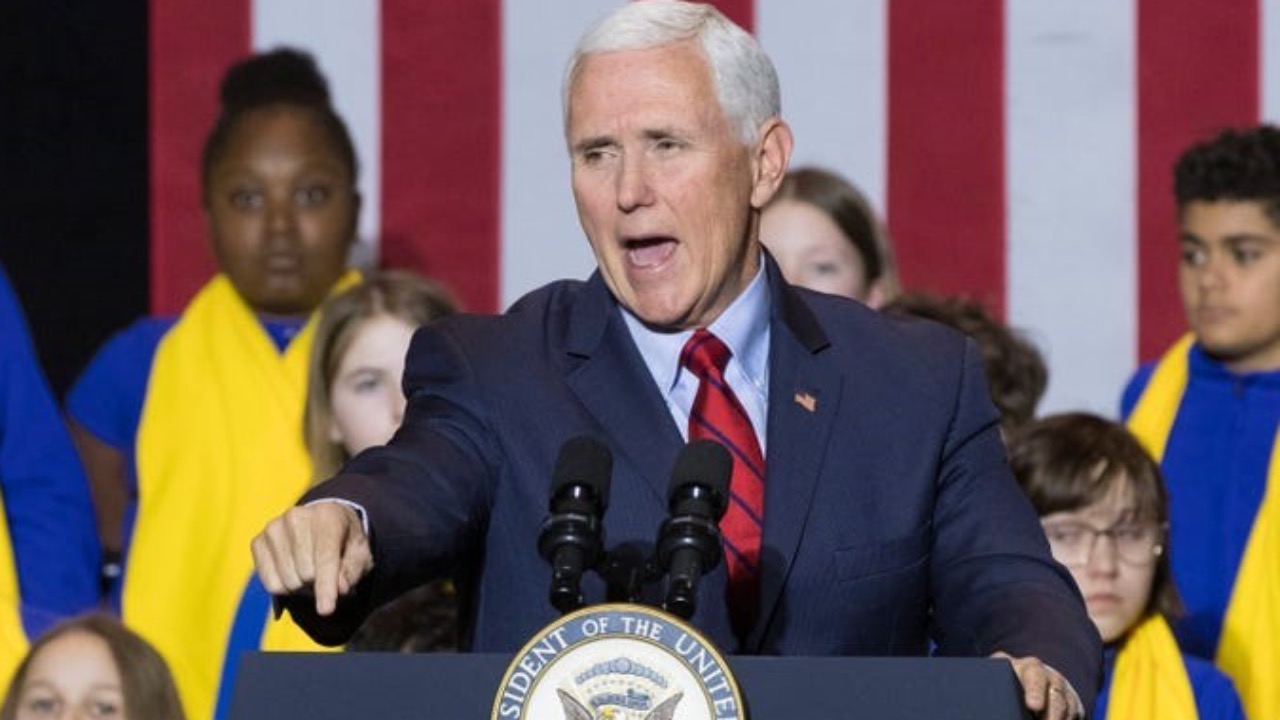
Former Vice President Mike Pence delivered pointed criticism of the current Trump administration’s handling of the events of January 6, 2021, during an appearance on CBS’s “Face the Nation.” Pence stated he had seen evidence of deliberate efforts to reshape the historical record of that day, particularly through an official White House timeline released around the fifth anniversary that placed significant blame on Capitol Police. His comments mark a notable public rift with the president he once served alongside, highlighting ongoing tensions within the Republican Party over how to interpret the Capitol attack.
Pence emphasized that attempts to rewrite history would ultimately fail, pointing to the actions of lawmakers from both parties who returned to the Capitol after it was secured to fulfill their constitutional duties. His remarks come amid broader debates about accountability and memory surrounding the riot that interrupted the certification of the 2020 election results.
Pence’s Direct Critique of Official Timeline
Pence expressed particular offense at the White House’s decision to issue a timeline that shifted responsibility toward law enforcement officers on duty that day. He described the approach as using taxpayer resources to present a version of events that contradicted what many witnessed directly. This stance reflects his long-held view that the violence stemmed from failures to uphold institutional norms rather than from institutional actors themselves.
The former vice president has maintained a consistent position that the events represented a serious breach, even as political alignments have shifted over time. His comments underscore the challenges of reconciling personal experiences with evolving official accounts in a polarized environment.
Context of the Fifth Anniversary Marking
The Trump administration marked the five-year point since the Capitol attack with a dedicated website and timeline that attributed much of the chaos to security decisions and external figures. Pence responded by noting the offensive nature of directing blame at officers who helped restore order and protect members of Congress. This approach has drawn attention to how different factions within the party now frame the same set of facts.
Observers note that such commemorations often serve multiple purposes in Washington, from shaping public memory to reinforcing specific policy priorities. Pence’s intervention adds a counterpoint rooted in his firsthand involvement during the certification process.
Broader Implications for Republican Unity
Pence’s statements arrive at a moment when the Republican Party continues to navigate internal divisions over the legacy of January 6. While some voices seek to minimize or reframe the riot’s origins, others, including Pence, insist on preserving core details about the threat to the constitutional process. This difference in perspective illustrates the lingering effects of that day on party dynamics.
His willingness to speak out publicly, even years later, suggests a commitment to certain institutional principles that transcend immediate political calculations. It also raises questions about how future party leaders will address similar moments of internal disagreement.
Historical Judgment and Public Memory
Pence voiced confidence that history would ultimately judge the actions of those involved on January 6 based on their adherence to constitutional responsibilities. He referenced the bipartisan effort to reconvene and complete the electoral count after the building was cleared as evidence of resilience in the system. This forward-looking assessment contrasts with efforts focused more narrowly on assigning fault in the present.
The former vice president’s remarks serve as a reminder that accounts of major events evolve through multiple lenses. Public figures like Pence play a role in shaping how those events are understood across generations, even when their views create friction with current leadership.

Asher was raised in the woods and on the water, and it shows. He’s logged more hours behind a rifle and under a heavy pack than most men twice his age.