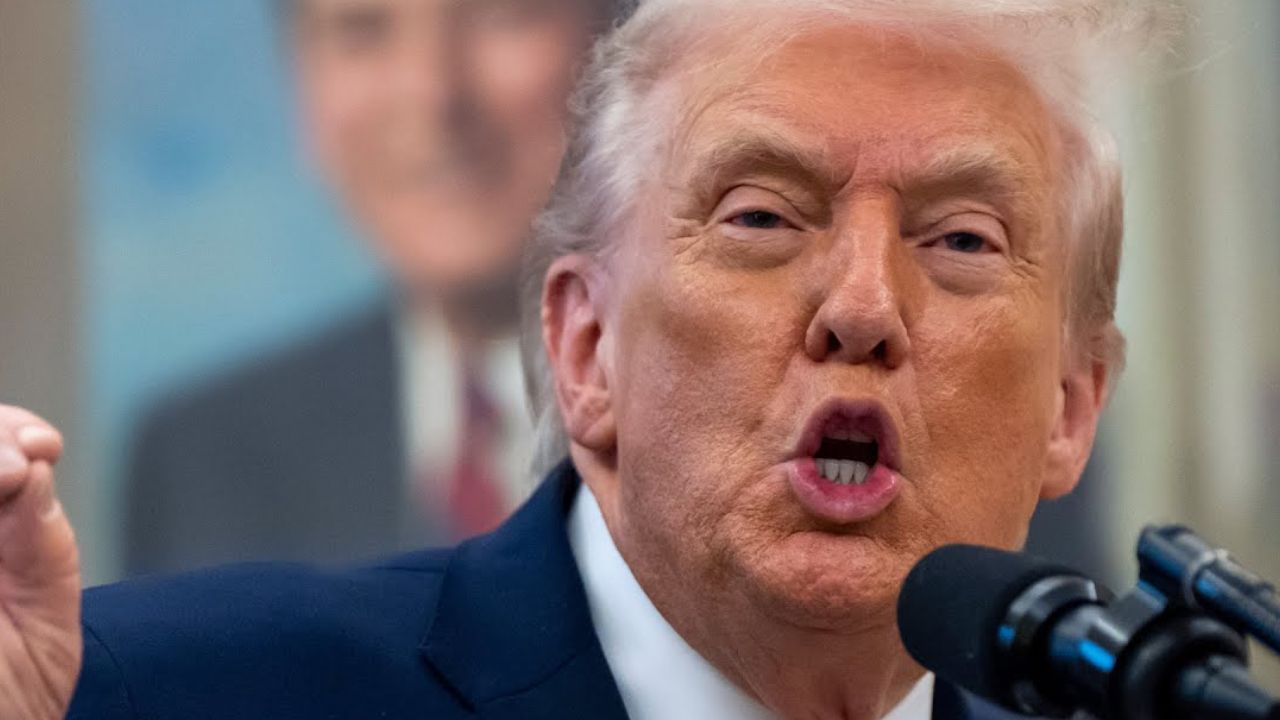
Trump signals likely withdrawal of US troops from Spain and Italy, criticising Rome for offering ‘no help’ and Madrid as ‘horrible’
Comments from Donald Trump have stirred attention after he suggested the United States could pull troops from parts of Europe, specifically Spain and Italy. The remarks also included criticism of both governments, adding another layer of tension to an already complicated transatlantic relationship.
While the comments don’t represent an official policy change, they reflect a broader stance that questions long-standing U.S. military commitments overseas. For many observers, the statement fits into a pattern of pushing allies to take on more responsibility for their own defense.
Why U.S. troops are stationed in Europe
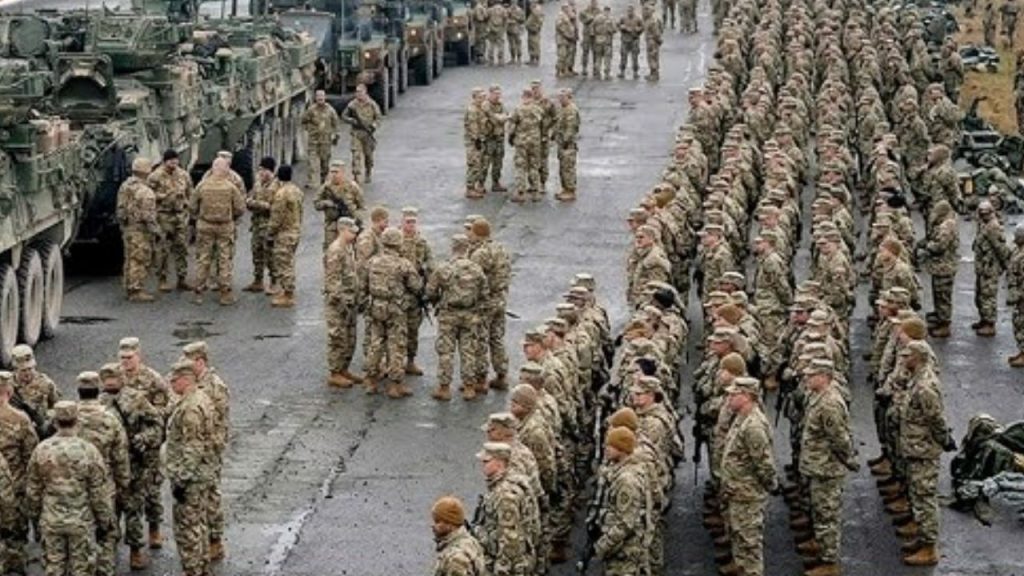
The U.S. has maintained a military presence across Europe for decades, largely through its role in NATO. Bases in countries like Spain and Italy support joint operations, training exercises, and rapid response capabilities across the region.
These positions are not just symbolic. They play a role in deterrence, logistics, and coordination with allied forces. Reducing troop numbers in key locations could shift how quickly the U.S. and its allies can respond to crises in Europe, North Africa, or the Middle East.
Criticism of allied contributions
A major part of Trump’s argument has focused on the idea that some allies are not contributing enough to shared defense efforts. His comments about Italy offering “no help” and Spain being “horrible” reflect frustration that has come up repeatedly in past discussions about defense spending.
Supporters of this view argue that the U.S. carries a disproportionate share of military costs. Critics push back, saying alliances aren’t just about direct spending — they also involve strategic positioning, cooperation, and long-term stability that benefit all sides.
Potential impact of a withdrawal
If troop reductions were to actually happen, the impact wouldn’t be limited to those two countries. U.S. military infrastructure in Europe is interconnected, meaning changes in one location can affect operations elsewhere.
There could also be economic effects in host countries, since bases often support local jobs and businesses. Beyond that, a withdrawal could send a signal about shifting U.S. priorities, especially as attention continues to move toward other regions.
Reaction from Europe and what comes next
Leaders in Europe tend to respond cautiously to statements like this, especially when they come outside of formal policy channels. Public criticism between allies can complicate negotiations and make coordination more difficult in the short term.
For now, these remarks are being treated as political signaling rather than confirmed action. Whether they turn into real policy would depend on future decisions and broader strategy discussions between the U.S. and its allies.

Leo’s been tracking game and tuning gear since he could stand upright. He’s sharp, driven, and knows how to keep things running when conditions turn.