State of Emergency Declared as Federal Officials Urge Travelers to Reconsider Popular Vacation Destination
Trinidad and Tobago has long held a place among Caribbean spots that draw people in with its mix of lively culture, steelpan music, and stretches of sand that feel far from the everyday grind. Right now, though, the picture has shifted. The local government declared a nationwide state of emergency on March 2, and federal officials in the United States have updated their guidance to Level 3, urging travelers to reconsider plans altogether. Crime linked to organized groups has spiked, even though overall numbers have come down from earlier peaks. The situation remains fluid, with daily checks on how far the emergency measures reach. If you have a trip on the calendar, it pays to weigh the latest details before you book or board.
How the emergency measures took shape
The government in Trinidad and Tobago acted quickly after reports of rising violent incidents tied to organized gangs. Officials pointed to threats against public safety that included shootings and targeted reprisals. Under the order, police and defense forces gained broader authority to act on suspicion alone. They can enter properties and make arrests without the usual steps in place during ordinary times. Bail stays suspended for those picked up on related charges. So far no curfews or limits on gatherings have kicked in, but the whole setup gets reviewed every day. Changes could arrive with short notice, which leaves little room for guesswork if you are already on the ground.
Travelers who follow the news have seen this kind of step before in the region. The goal stays focused on restoring order without shutting down daily routines entirely. Still, the move signals how seriously authorities view the current wave of activity. For anyone weighing a visit, the declaration itself serves as a clear marker that conditions differ from the usual vacation rhythm you might expect in calmer periods.
What the U.S. government advice actually says
Federal officials placed Trinidad and Tobago at the reconsider-travel level because of ongoing crime concerns and a separate note on terrorism risks. The advisory highlights that while violent incidents have decreased from 2024 levels thanks to earlier efforts, challenges persist across much of the country. Tobago generally sees lower rates than Trinidad, yet the warning covers both islands. Government employees face clear limits on where they can go, especially in parts of the capital. The message boils down to extra vigilance rather than an outright ban, but the tone encourages thinking hard about whether the timing fits your plans.
You can read the full details on the State Department site, which gets refreshed as conditions shift. Enrolling in their traveler program also sends alerts straight to you if something moves. The advice does not single out every neighborhood, but it does flag patterns that have shown up in past incidents. Taking those patterns into account helps you decide whether to proceed or shift your dates.
Crime patterns across the two islands
Crime levels vary noticeably between Trinidad and Tobago, with the latter holding a quieter profile overall. Urban centers on Trinidad, especially around the capital, have seen more concentrated activity in recent months. Gang-related episodes drove much of the recent uptick, prompting the emergency step. Even so, officials note that broader security pushes from previous periods helped bring numbers down from their highest points. That improvement matters, but it has not erased the baseline risks that remain in place today.
If you stick to less crowded routes and daylight hours, some areas feel steadier. Still, the advisory reminds everyone that isolated spots or nighttime movement raise the odds of trouble. Locals and visitors alike report that simple awareness goes further than it might in other destinations. Reading current reports before you land keeps you aligned with the reality on the ground rather than older memories of the islands.
Specific spots that carry extra risk
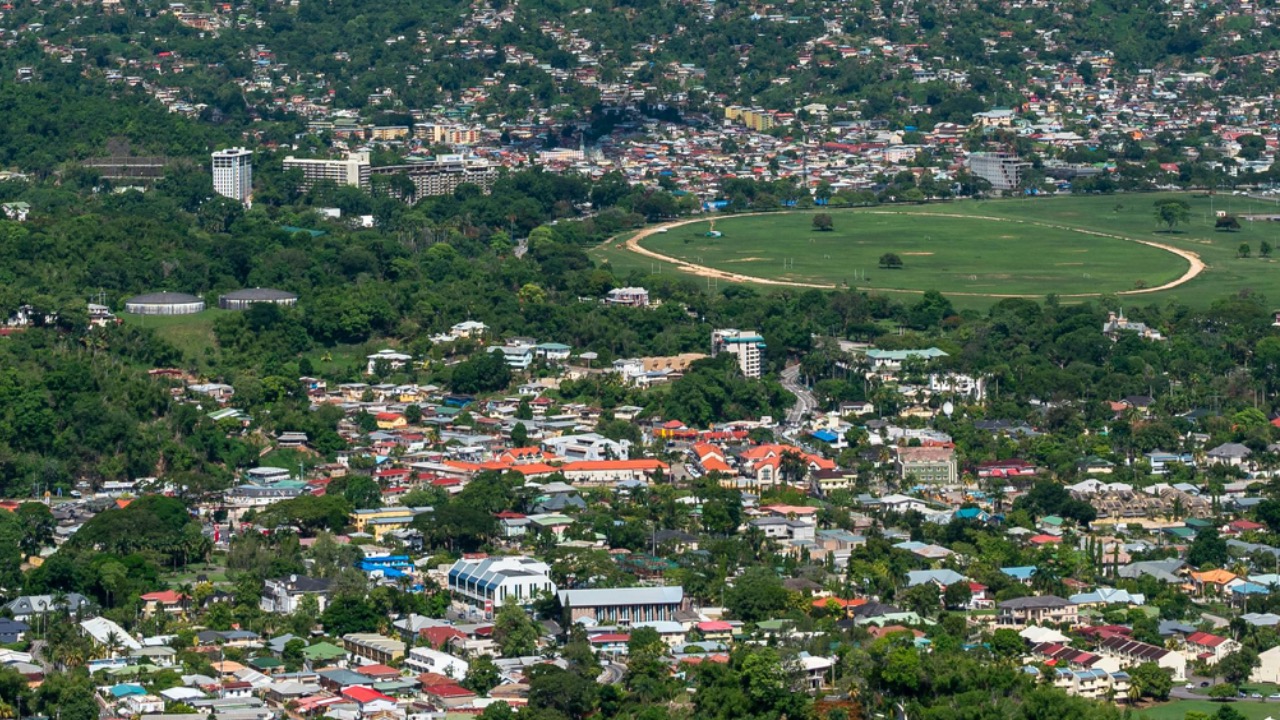
Certain neighborhoods in Port of Spain come with standing restrictions for U.S. government staff, and the guidance extends a similar caution to everyone. Places like Laventille, sections of Charlotte Street south of certain blocks, Piccadilly Street, Besson Street, Beetham, Sea Lots, and Cocorite sit off limits at all times for official travel. After dark the list grows to include downtown areas, beaches in the capital zone, Fort George, and the interior of Queen’s Park Savannah. These boundaries reflect patterns officials have tracked rather than blanket rules for tourists.
Staying clear of those zones reduces exposure without cutting you off from the rest of what the islands offer. Many visitors focus their time on Tobago’s calmer stretches or approved routes on Trinidad. Mapping your movements ahead of time, especially if you rent a car or rely on rides, helps you steer around the flagged sections without second-guessing once you arrive.
Powers granted during the emergency period
Authorities now operate with expanded tools aimed at curbing the immediate threats. Police can search private homes and public spaces when they suspect links to the targeted crimes. Defense force members follow matching rules, creating a wider net across both islands. Suspects held on relevant charges lose access to bail until the process moves forward. The setup does not touch everyday gatherings or impose evening lockdowns at the moment, yet the flexibility built into the order means those details could tighten if officials see the need.
For visitors this translates into a heavier official presence on streets and at checkpoints. Interactions with security tend to stay professional, but the changed rules can slow routine activities if you get pulled into a check. Knowing the framework in advance keeps expectations realistic and prevents unnecessary friction during your stay.
Health services and access on the ground
Rural stretches on both islands have limited medical options for anything beyond basic care. Hospitals and clinics in major towns handle more procedures, yet even those can face strain during peak times. Travelers with ongoing conditions or who might need quick emergency support should factor that reality into their planning. Urban centers generally offer better access, but distance from those hubs can create delays that matter when minutes count.
Packing a solid medical kit and confirming your insurance covers evacuation helps close some of the gaps. Checking with your doctor before departure also flags any prescriptions or equipment that might prove hard to replace locally. The advisory flags the issue plainly so you can prepare rather than discover limits after arrival.
Steps that make sense if you still plan to go
Registering with the Smart Traveler program puts official updates in your inbox and helps locate you if conditions shift fast. Reviewing the full country security report gives context that goes beyond headlines. Simple habits like keeping valuables out of sight, avoiding solo walks after dark, and using licensed transport cut down on everyday risks that exist anywhere. Travel insurance that includes medical evacuation and trip cancellation becomes especially useful right now.
Carrying digital and paper copies of your documents adds another layer of readiness. Sharing your itinerary with someone back home and checking in regularly keeps a safety net in place. These moves do not eliminate every variable, but they position you to handle changes without panic.
Watching how the situation develops day to day
The emergency order gets reviewed constantly, which means restrictions or permissions can adjust with little warning. Local news and embassy alerts offer the clearest updates once you land. Conditions that feel stable one week can tighten the next if new incidents arise. Staying flexible with your schedule and having backup options ready prevents getting caught off guard.
Many people who follow the region closely keep an eye on both official channels and trusted local voices. That combination gives a fuller sense of daily life without relying on any single source. If the emergency lifts or eases, the advisory will reflect it quickly. Until then, checking in before finalizing details remains the most practical approach.

Asher was raised in the woods and on the water, and it shows. He’s logged more hours behind a rifle and under a heavy pack than most men twice his age.