Trump vows ‘complete victory’ in Iran conflict and insists there is ‘no pressure’ to back down
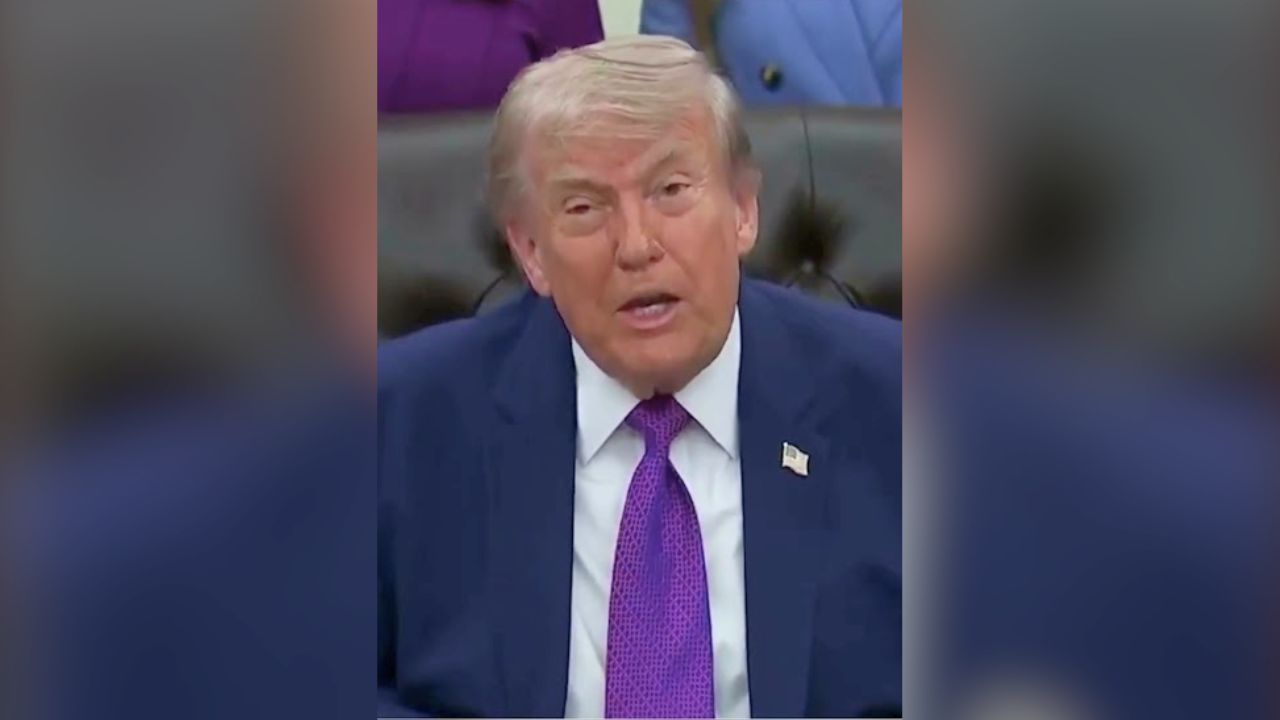
Donald Trump is promising what he calls a “complete victory” in the escalating conflict with Iran and insists he feels “no pressure” to compromise or scale back military operations. His defiant posture comes as fighting intensifies, regional governments weigh the risk of a wider war, and negotiators struggle to keep diplomatic channels from collapsing.
The former president is casting the confrontation as a test of American resolve, portraying any move toward de-escalation as weakness and presenting himself as uniquely willing to push Tehran to the brink. That rhetoric is landing in a volatile environment, where every signal from Washington and Tehran is being scrutinized for clues about whether the crisis is heading toward a negotiated pause or a prolonged war.
What happened
Trump’s latest comments came as U.S. forces and Iranian-backed groups traded fire across several fronts, including strikes in and around the Strait of Hormuz and rocket attacks on American positions tied to the broader Iran conflict. Against that backdrop, he declared that the United States would achieve “total victory” over Iran, language that suggests not only battlefield dominance but also a reshaping of Iran’s regional influence and military capabilities.
He coupled that pledge with a flat assertion that there is “no pressure” on him to change course, despite mounting concern from European allies, Gulf partners, and members of Congress about the risk of miscalculation. Trump has long portrayed himself as resistant to outside influence, and his claim that he faces no meaningful pushback fits a pattern he has embraced in other high-stakes confrontations, from trade disputes to nuclear talks.
Diplomatic efforts have struggled to keep pace with the military tempo. Negotiators have been working through intermediaries in Oman, Qatar, and Switzerland to explore possible limits on Iranian missile launches and U.S. airstrikes, as well as potential prisoner exchanges and sanctions relief. Yet, as analysts tracking the Iran war negotiations point out, both sides have sent mixed signals about what they would accept, and several key details of any framework remain unresolved or undisclosed.
Trump’s public stance has leaned heavily toward maximalist demands. He has repeated that Iran must halt support for groups such as Hezbollah and the Houthis, dismantle parts of its missile program, and accept stringent inspections on its nuclear facilities. Iranian officials, in turn, have insisted that any cease-fire or security arrangement must include concrete steps to roll back U.S. sanctions and formal assurances that Washington will not seek regime change.
At the same time, Trump has revived arguments from his earlier political career to bolster his claim that he understands the stakes better than his critics. He has again insisted that he “predicted” the September 11 attacks and that his warnings about terrorism were ignored, a narrative he has used for years to present himself as a leader who sees danger before others do. Those assertions have been widely disputed, yet he continues to reference them as evidence of his foresight, as reflected in his past comments about having predicted 9/11.
Why it matters
Trump’s vow of “complete victory” and his dismissal of pressure to de-escalate matter for three main reasons: they shape Iranian calculations, influence U.S. domestic politics, and complicate allied diplomacy.
First, Tehran’s leadership must decide whether Trump’s rhetoric signals a genuine willingness to escalate or a negotiating tactic aimed at extracting concessions. Iranian officials have experience with both possibilities. During Trump’s previous time in office, the United States withdrew from the nuclear deal and imposed sweeping sanctions, yet also signaled at several points that it was open to talks without preconditions. If Iranian leaders conclude that Trump is determined to pursue regime-weakening measures, they may double down on asymmetric tactics such as drone strikes on Gulf infrastructure or cyber operations against U.S. targets rather than move toward compromise.
Second, Trump’s posture feeds directly into the U.S. political debate over war powers, military spending, and the role of Congress. Lawmakers who favor a more restrained foreign policy argue that pledges of total victory risk locking the United States into an open-ended conflict, especially when paired with a refusal to acknowledge diplomatic pressure. Others, including some Republicans who back Trump, contend that only a firm, uncompromising line can deter Iran from expanding its nuclear and regional ambitions.
That split has practical consequences. Funding for additional missile defenses in the Gulf, naval deployments to protect shipping, and humanitarian aid for civilians caught in the fighting all depend on congressional votes. Trump’s insistence that he is under no pressure to adjust his approach can harden positions on both sides, with supporters rallying around his message and opponents warning that he is ignoring warning signs from intelligence and military planners.
Third, allies are watching closely. European governments that helped broker the original nuclear agreement view the current conflict as a test of whether multilateral diplomacy can still shape Iran’s behavior. They are trying to maintain backchannel communication with Tehran while also coordinating with Washington on sanctions and security measures in the Gulf. Trump’s language about absolute victory and his dismissal of pressure make it harder for those allies to argue, in their own capitals, that there is still space for a negotiated outcome that preserves some elements of the existing international order.
Regional partners in the Middle East face their own dilemmas. Countries such as Saudi Arabia, the United Arab Emirates, and Qatar depend on U.S. security guarantees but also fear becoming direct targets if the conflict widens. When Trump signals that he is unconcerned about external pressure, leaders in those states must weigh whether to push privately for restraint or prepare for a longer confrontation that could disrupt energy exports, tourism, and investment.
Finally, Trump’s rhetorical style carries reputational stakes. His repeated claim that he foresaw the 9/11 attacks, despite extensive fact-checking that challenges the accuracy of that narrative, reflects a broader pattern of framing complex security issues through personal anecdotes and boasts. In the Iran context, that approach can blur the line between strategic messaging aimed at Tehran and political messaging aimed at his domestic base, making it harder for outside observers to parse which signals are intended as firm red lines and which are negotiable.
What to watch next
The next phase of the Iran conflict will hinge on a series of interlocking developments: battlefield dynamics, diplomatic moves, and political pressures in Washington and Tehran.
On the military front, analysts are watching for any shift in the tempo or targets of U.S. operations. Expanded strikes on Iranian territory, rather than on proxies or infrastructure outside Iran, would mark a significant escalation and could trigger direct retaliation against American bases or allies. By contrast, a pause in large-scale operations, even if framed as operational regrouping, could signal that Washington is testing the waters for a limited cease-fire.
Diplomatically, attention is focused on whether the existing backchannels can produce even a narrow confidence-building measure. That might include a limited prisoner swap, a temporary halt to certain categories of missile launches, or an agreement to allow international inspectors expanded access to specific nuclear facilities. Given the gaps highlighted by current reporting on what negotiators know and do not know, even a small, verifiable step could help stabilize the situation and give both sides political cover to claim progress.
In Washington, the reaction of key Republican and Democratic figures will shape how credible Trump’s “no pressure” claim remains. If prominent members of his own party start calling publicly for clearer limits on U.S. objectives or for a defined endgame, that would undercut the idea that he faces no constraints. Hearings in Congress, closed-door briefings with military leaders, and leaks from within the national security bureaucracy will all offer clues about whether there is growing unease with an open-ended push for total victory.

Leo’s been tracking game and tuning gear since he could stand upright. He’s sharp, driven, and knows how to keep things running when conditions turn.