Animals expanding into new territory across the U.S.
Across the United States, animals are quietly redrawing the map. Species that once stayed in familiar regions are pushing into new neighborhoods, cities, and coastlines, reshaping how people experience wildlife in daily life. Climate change, shifting land use, and human intervention are all helping drive this continental shuffle, with consequences that reach from backyard bird feeders to federal conservation policy.
Predators such as coyotes, heat-sensitive creatures like armadillos, wide-ranging black bears, waterfowl, and even salmon are on the move. As their ranges expand, they create new conflicts and opportunities and force scientists and agencies to rethink what counts as native habitat in a warming world.
Predators on the move: coyotes take the continent
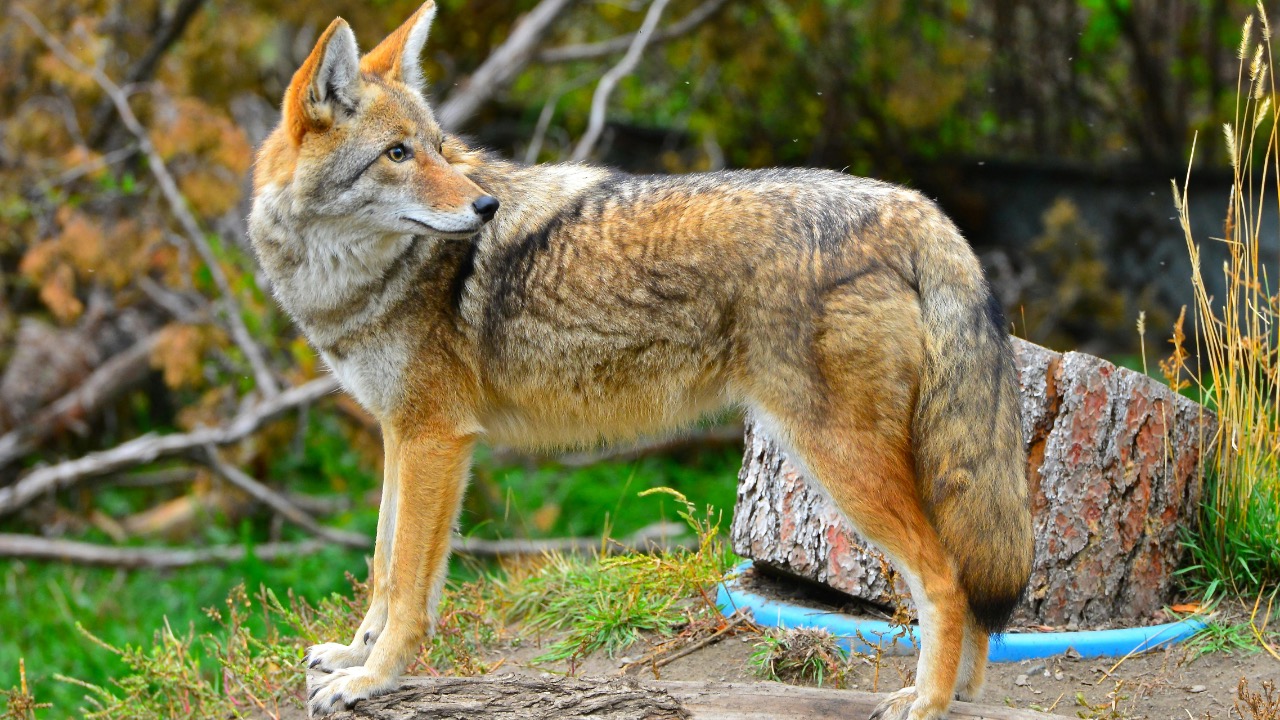
Few animals capture this new era of expansion as clearly as coyotes. Once associated with open western rangelands, they have steadily spread across North and Central America. Research that reconstructs their past distribution shows that during the last century they moved far beyond their historic core, helped by deforestation, agriculture, and the removal of larger predators such as wolves.
Their expansion has now reached almost every corner of the country. Reporting on their spread notes that Coyotes have been recorded in 49 states, and they continue to push into new habitats rather than stabilizing. Another account of their continental reach puts it bluntly: Coyotes, which historically lived in the western part of the country, have now been seen in every state except for Hawaii.
Urbanization has not slowed them. A mapping project of Coyote Range describes how Coyotes, identified scientifically as Canis latrans, have moved eastward and deeper into cities. They now patrol greenbelts, golf courses, and vacant lots, feeding on rodents, fruit, and human garbage. That flexibility lets them thrive from the suburbs of Portland to the edges of New York, turning them into one of the most adaptable carnivores on the continent.
Their presence brings tension as well as fascination. People worry about pets, livestock, and the occasional bold individual that appears in daylight. At the same time, biologists point out that Coyotes can help control rodent and deer populations that also benefit from fragmented, human-dominated landscapes. The challenge for communities is learning to coexist with a predator that is no longer a distant symbol of the West but a regular neighbor.
Armadillos creep north along the Appalachians and Midwest
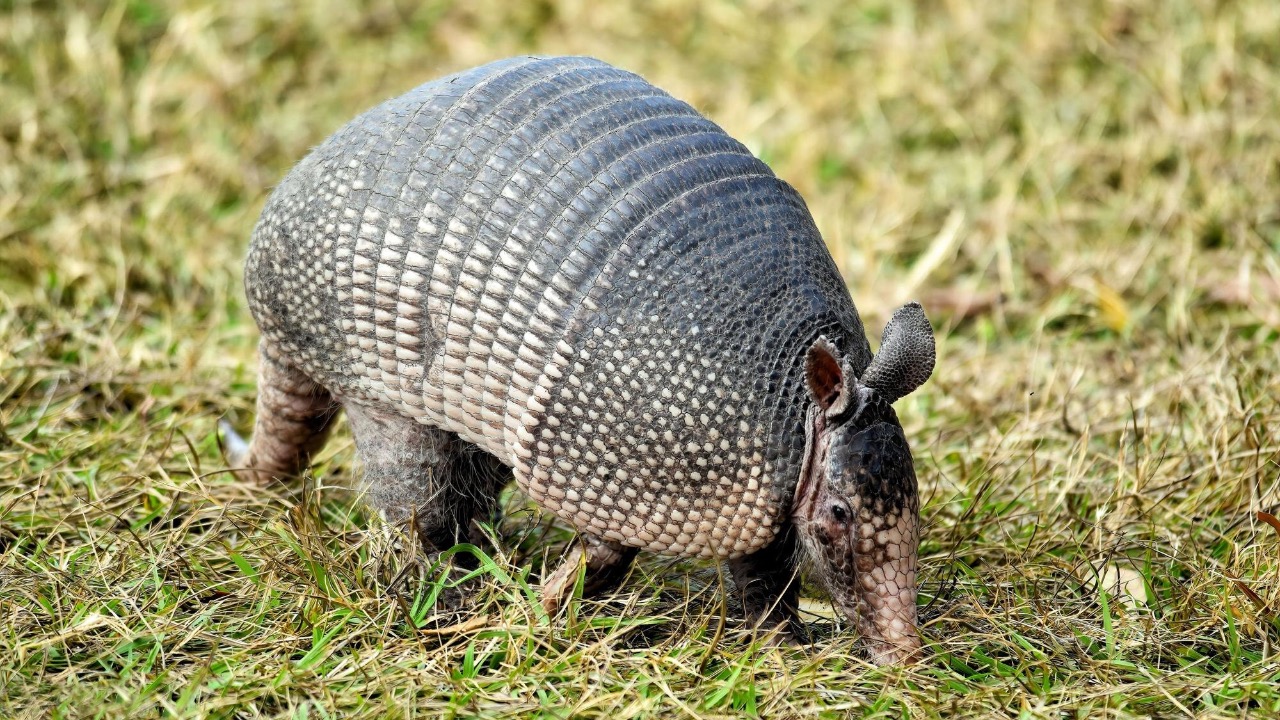
If Coyotes represent a top predator on the march, armadillos illustrate how a small, heat-sensitive mammal can still push into cooler states. The nine-banded armadillo, described scientifically as Dasypus novemcinctus, was first recorded in the United States in Texas. From there it has spread steadily north and east, reaching as far as the western third of North Carolina and several Midwestern states.
Scientists and wildlife managers are still trying to explain why Armadillos are expanding further into the U.S., and why the pace has accelerated in recent decades. One analysis describes how Armadillos are showing up in states that once seemed too cold, suggesting that milder winters, road networks, and changes in land cover are all playing a role. Their tendency to reproduce quickly when conditions are good also helps new populations take root.
The northward march is now visible on state-level maps. Wildlife staff in North Carolina recently joked that “Babe, wake up” because a new Armadillo range map had just dropped, illustrating how Armadillos have been expanding across the southeastern Uni states. Farther north, outreach from Illinois extension specialists notes that Armadillos have been steadily expanding their range northward and eastward from Texas, and that climate change and land use changes are likely helping them survive Midwestern winters.
The Appalachian region is watching closely as well. Coverage from West Virginia explains that Since 2006, the species has moved into more northern parts of Kentucky and North Carolina, slowly creeping up the Appalachians. That trajectory suggests that West Virginia and neighboring states will likely see more armadillos rooting through lawns and roadside embankments in the coming years.
For residents, the arrival of an armored insect eater can be both amusing and disruptive. Armadillos dig for grubs and invertebrates, which can tear up gardens and golf courses. They also carry diseases that concern public health officials. Yet their spread offers scientists a live case study of how a warm-adapted animal responds to a changing climate and a patchwork of human-altered habitats.
Black bears return to suburbs and farm country
Large mammals are also reclaiming ground. Once pushed into remote forests and mountains, black bears are now turning up in suburbs, farm country, and even near major metropolitan areas. Their recovery is a conservation success story built on hunting regulations, forest regrowth, and better management of food sources, but it also brings new friction where people and bears overlap.
Fresh data from a project that crowdsourced wildlife sightings illustrates how quickly their map is changing. Students in NC State’s Environmental Sciences program analyzed thousands of Naturalist photos and found that black bears, for instance, were appearing in counties where they had not been documented for decades and even in urban areas. The same project highlighted how citizen science can detect range expansions in near real time, long before traditional surveys catch up.
Those findings match a broader pattern seen by biologists and local governments. As bears follow river corridors and forest patches into new regions, they encounter unsecured trash, bird feeders, and outdoor pet food. That easy energy source encourages repeat visits and habituation, which can lead to property damage and, in rare cases, dangerous encounters. Wildlife agencies now urge residents in bear country to secure garbage, manage attractants, and support nonlethal responses whenever possible.
The story of black bears also complicates the idea of “new territory.” In many eastern states, bears are not invaders so much as returning natives reclaiming forest that regrew after farmland was abandoned. Their comeback raises questions about how people share space with large wildlife that historically roamed these hills and valleys long before modern suburbs existed.
Birds on shifting flyways: jays and ducks adapt
Not all range shifts involve mammals. Birds that migrate or move seasonally are adjusting their routes and breeding grounds as temperatures, wetlands, and forests change. Among songbirds, the family of jays offers a visible example. Species such as the familiar blue jay and the more southerly green jay are sensitive to forest composition and winter conditions. As hardwood forests expand in some regions and milder winters reduce cold stress, these intelligent, acorn-caching birds can follow new habitat northward or inland.
Waterfowl are also on the move, though sometimes in subtler ways. A study that drew on nearly six decades of data from the U.S. Geological Survey used long term Survey records to detect small range shifts in three Midwest duck species. That work focused on birds like the mallard and northern pintail, which respond to wetland conditions and agricultural practices across the prairie pothole region and beyond.
The researchers found that even “small” shifts can have big implications for hunters, birdwatchers, and wetland managers. If breeding hotspots move north or east, conservation funding and habitat restoration may need to follow. In some cases, ducks may arrive on traditional stopover sites only to find that water levels or food resources no longer match their needs, which can ripple through migration timing and survival.
For both jays and ducks, these changes are not just about temperature. Forest management, urban expansion, and farm policies all influence which habitats are available. The result is a moving mosaic where familiar backyard birds may become more common in new regions while disappearing from others.
From sea lions to salmon: aquatic species track a warming climate
In the oceans and rivers, animals are also expanding or reclaiming territory as conditions shift. Along the Pacific coast, the California Sea Lion has become a symbol of marine adaptation. Massive aquatic mammals, male California sea lions can grow to over 7 feet in length and weigh around 900 pounds, and they have taken advantage of changing prey distributions and protected haul-out sites to occupy new rookeries and urban piers.
Farther inland, salmon are testing how quickly a river can rebound once barriers come down. On the Klamath River, a major restoration effort removed four large dams in Cali that had blocked fish passage for generations. Early reports from the watershed describe how Klamath River salmon are now returning to stretches of river that had not seen salmon in over 100 years.
These fish include iconic runs such as Chinook, which rely on cold, clean upstream habitat to spawn. As dams come out and climate pressures mount, managers are watching how salmon use newly accessible reaches and whether they can persist in warmer summer temperatures. The same species are also adjusting their ocean distribution, following cooler currents and prey, which affects fishing communities along the coast.
These aquatic shifts show how human decisions can either block or accelerate range changes. Removing barriers, restoring wetlands, and limiting pollution can give species room to move and adapt. At the same time, warming waters and altered flow patterns can make some historic habitats untenable, forcing fish and marine mammals into new territory that may or may not be ready for them.
Climate change, land use, and policy: why ranges are shifting
Across these examples, three forces appear again and again. The first is climate. Warmer winters, altered rainfall, and more frequent extremes are reshaping where species can survive. The expansion of Armadillos into Illinois and up the Appalachians, the northward creep of some ducks, and the changing distribution of marine life all track with rising temperatures and shifting seasons.
Land use is the second driver. Agriculture, forestry, and urban growth create both obstacles and corridors. Coyotes have exploited fragmented suburbs and agricultural edges to spread eastward, while black bears have followed regenerating forests into former farm country. Roads and rail lines provide pathways for Armadillos and opossums, even as they increase the risk of vehicle collisions. In some regions, expanding cities squeeze wetlands and riparian zones that ducks and salmon depend on, pushing those species to search for new refuges.
The third factor is explicit human management. Conservation laws, reintroduction programs, and new regulatory tools are starting to treat range shifts as something to guide rather than simply observe. In WASHINGTON, the Department of the Interior announced that In the first Endangered Species Act interpretive rule produced under the Biden Harris administration, officials proposed expanding a conservation technique that would allow species to be moved into suitable habitats outside of their historical ranges when climate change threatens their survival.
That concept, often called assisted migration or managed relocation, has now moved from theory into formal policy. A related rule from USFWS allows endangered species to be released outside their historical range under certain conditions. The goal is to give at risk plants and animals a chance to establish in climates that will remain suitable as their old habitats become too hot, dry, or fragmented to support them.

Leo’s been tracking game and tuning gear since he could stand upright. He’s sharp, driven, and knows how to keep things running when conditions turn.