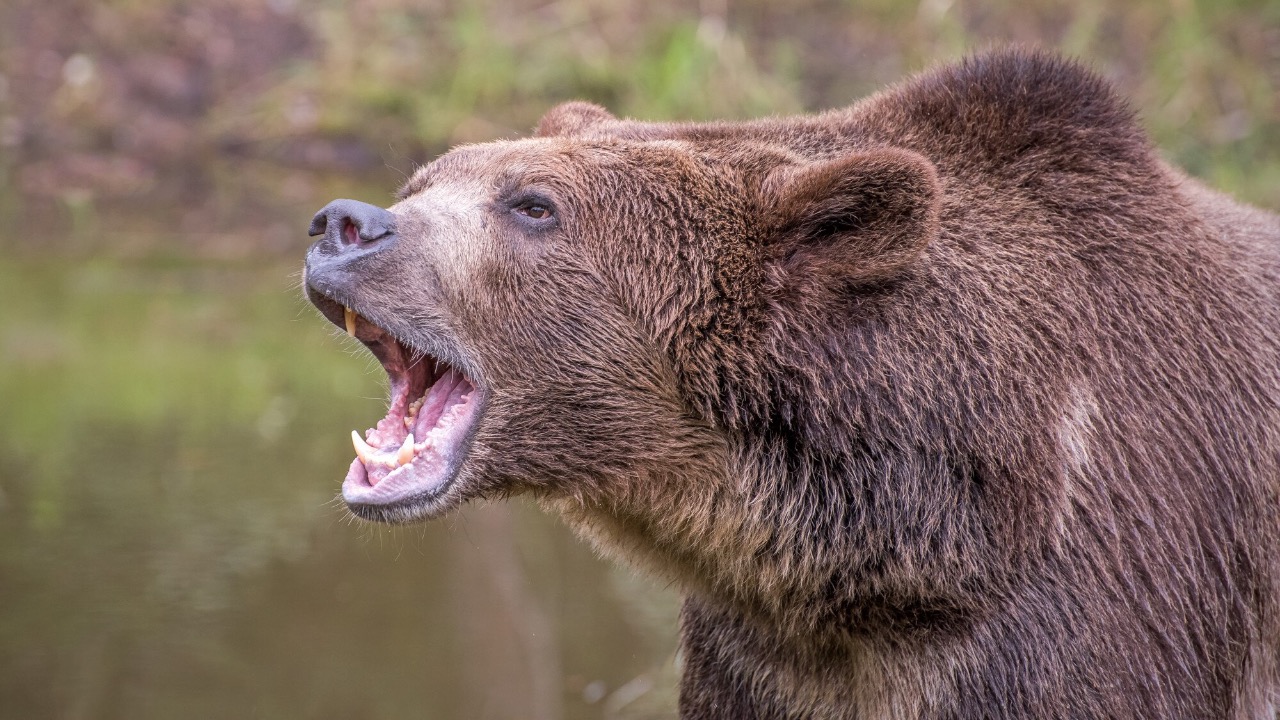
Two hikers mauled in suspected grizzly bear attack at Yellowstone National Park as officials investigate trail of prints
Yellowstone National Park has always balanced its wild beauty with the reality of sharing space with grizzly bears. Every year millions walk its trails expecting geysers and open meadows, yet the park’s grizzly population has grown steadily since the 1970s. That presence makes surprise meetings possible even on well-traveled paths. On the afternoon of May 4, two hikers learned that lesson the hard way along the Mystic Falls Trail near Old Faithful. Officials are still sorting out exactly what triggered the encounter, but early signs point to a mother grizzly protecting her young. The event marks the first time a bear has injured anyone in the park this year.
A Sudden Encounter on Mystic Falls Trail
You head out on the Mystic Falls Trail expecting nothing more than steam rising from nearby thermal features and the steady rhythm of your boots on packed earth. The path starts easy enough near Biscuit Basin, winding through lodgepole pines before climbing toward the falls. On May 4 that familiar route turned dangerous in a matter of moments for two hikers who had set out together. Park staff believe the pair surprised a female grizzly with cubs somewhere along the trail. The animals reacted the way grizzlies often do when they feel cornered or threatened with young nearby. No one saw the actual clash, but the injuries were serious enough that both men needed immediate medical help.
The trail had reopened to spring hiking only a couple of years earlier after earlier closures aimed at cutting down on human-bear run-ins. That stretch of woods sits close to popular geyser basins, so foot traffic stays fairly steady. Still, the thick underbrush and rolling terrain can hide an animal until you are practically on top of it. The two hikers found themselves in that exact spot on a Monday afternoon when the park was otherwise busy with spring visitors.
The Hiker Who Stumbled Upon the Scene
You follow fresh prints pressed into the mud and snow, wondering why they look so large and fresh. That is what Craig Lerman noticed as he walked the same trail later that afternoon. A few steps farther he spotted a bloody hat and a watch that looked ripped clean off someone’s wrist. Then he heard the calls for help. Lerman pushed ahead and came across one of the injured hikers lying in a pool of blood, his face and body badly torn. The man had already managed to dial 911 on his own phone. Lerman took over the call, stayed calm, and kept the victim talking until rangers arrived.
He waited with the injured man even though he knew the bear could still be close. Another hiker, the 28-year-old’s brother, was also hurt farther up the trail. Both were evacuated by helicopter within hours. Lerman later described the scene as one that left him shaken but grateful he could help. His quick thinking and steady presence made the difference between a grim discovery and a rescue that got both men to medical care fast.
Evidence Pointing to a Mother Grizzly
You look at the tracks and scat left behind and realize this was no lone adult bear passing through. Park biologists examining the site found signs consistent with a female grizzly accompanied by two or three cubs born earlier this year. Sow grizzlies with first-year cubs stay especially protective, and any sudden noise or close approach can set off a defensive reaction. Officials have not released exact measurements yet, but the pattern of prints and the nature of the injuries match what they see when family groups feel cornered.
DNA samples from hair, saliva, and scat are already on their way to labs for confirmation. Until those results come back the park is treating the animal as a mother with young. That detail matters because management decisions hinge on whether the bear acted to defend cubs or for some other reason. So far everything collected lines up with the sow-and-cubs scenario.
Swift Action by Park Responders
You hear the rotor blades of a helicopter slicing through the afternoon air and know help is on the way. Emergency teams reached the scene quickly after Lerman’s call. Rangers, EMS personnel, and interagency partners worked together to stabilize both hikers before loading them for the flight out. One man suffered serious injuries; the other was listed in critical condition at first. Both reached hospitals within hours of the attack.
The coordinated response followed years of training for exactly these backcountry emergencies. Park staff keep medical kits, bear spray, and evacuation plans ready year-round. In this case the system worked: the injured men received care fast enough that their conditions stabilized during transport. No further details on their current status have been released, but the speed of the rescue limited what could have been far worse outcomes.
Why Officials Closed Nearby Areas
You check the park map and see shaded zones blocking several trails and campsites northwest of Old Faithful. Those closures went up right after the incident and remain in place while the investigation continues. Mystic Falls Trail itself is shut, along with Fairy Falls, Sentinel Meadows, Imperial Meadows, Fairy Creek, and Summit Lake routes. Backcountry campsites in the area and fishing spots along parts of the Firehole River are also off limits.
The goal is simple: keep visitors out while crews finish gathering evidence and make sure the bear family has moved on. Geyser basin boardwalks and a few nearby overlooks stay open so the rest of the park can keep operating. Rangers stress that ignoring the posted signs puts both people and response teams at risk. The closures are temporary, but they show how seriously the park takes every encounter.
How Bear Attacks Fit Into Park History
You glance at the long record of human-bear interactions in Yellowstone and notice how rare serious injuries have become. This marks the first time a bear has hurt anyone inside the park in 2026. The previous injury happened in September 2025 on a remote trail near Yellowstone Lake. Before that, the last fatal attack occurred in 2015 when a solo hiker surprised a mother grizzly with cubs in the Lake Village area. Since the park opened in 1872 there have been only eight known deaths caused by bears.
Those numbers reflect decades of better education, bear-proof food storage, and visitor guidelines that have cut conflicts dramatically. Most years pass with zero injuries even though thousands hike the same trails where grizzlies roam. The May 4 event stands out precisely because it is uncommon, yet it still serves as a clear reminder that the animals remain wild and unpredictable.
Practical Steps for Staying Safe Around Bears
You carry bear spray in an easy-to-reach holster and make sure everyone in your group knows how to use it. That single piece of equipment has stopped more charges than any other tool. You travel in groups of three or more, talk or sing on the trail, and stay alert for fresh tracks, scat, or digging that signals a bear has passed recently. Avoid hiking at dawn or dusk when grizzlies feed most actively, and never run if you spot one.
Park staff repeat the same advice every season because it works. Give bears plenty of space, store food properly, and respect closures. The two hikers on Mystic Falls did not set out looking for trouble, but even on a busy trail a quiet approach can catch an animal off guard. Simple habits like these keep the odds in your favor every time you step into grizzly country.
What the Investigation Will Reveal
You wait for the final report because it will shape how the park handles similar situations in the future. Biologists will compare DNA, track measurements, and bite patterns against known bears in the area. They will also review the exact location and timing to see whether any environmental factors played a role. Until then the focus stays on keeping the rest of the park open and safe.
The process takes time, but it has improved management for years. Past investigations led to better food storage rules and seasonal trail adjustments. Whatever the labs confirm about this mother grizzly and her cubs, the findings will feed directly into ongoing efforts to let both people and bears share the landscape without further harm. For now the trails remain quiet in the closed zone, and visitors elsewhere keep a sharper eye on the woods around them.

Asher was raised in the woods and on the water, and it shows. He’s logged more hours behind a rifle and under a heavy pack than most men twice his age.