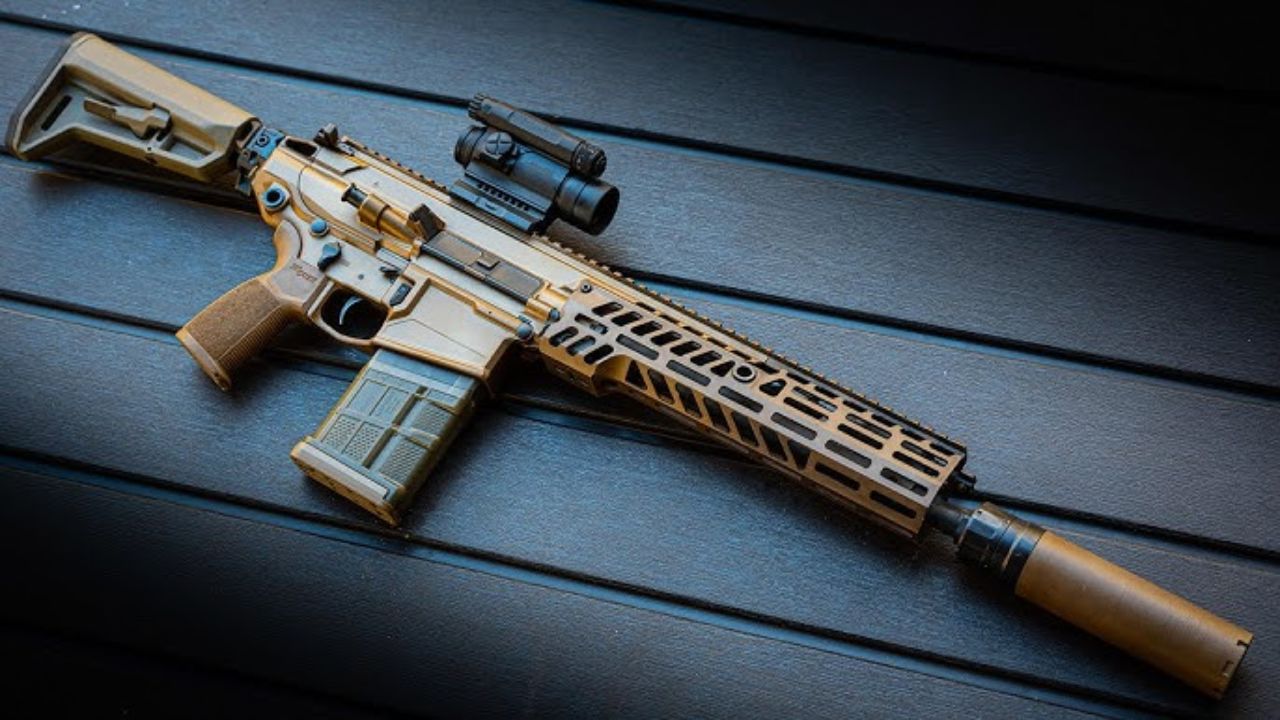
U.S. Army Details Timeline for XM7 Rifle Fielding
The U.S. Army is moving from prototype to widespread fielding of the XM7 rifle, setting a multi‑year path that will reshape how close combat units fight. After years of development under the Next Generation Squad Weapon program, the service has begun issuing the new rifle to frontline formations and mapping out which active, Guard, and Reserve units will follow.
The XM7, derived from the SIG MCX SPEAR and now formally designated the M7 rifle, brings a new 6.8 mm cartridge, a more advanced optic, and different handling characteristics than the long‑serving M4. The fielding timeline is coming into focus as early operational tests, Guard evaluations, and detailed unit distribution plans reveal how quickly the Army intends to push the weapon into real-world use.
From concept to XM7: how the Army locked in its next rifle
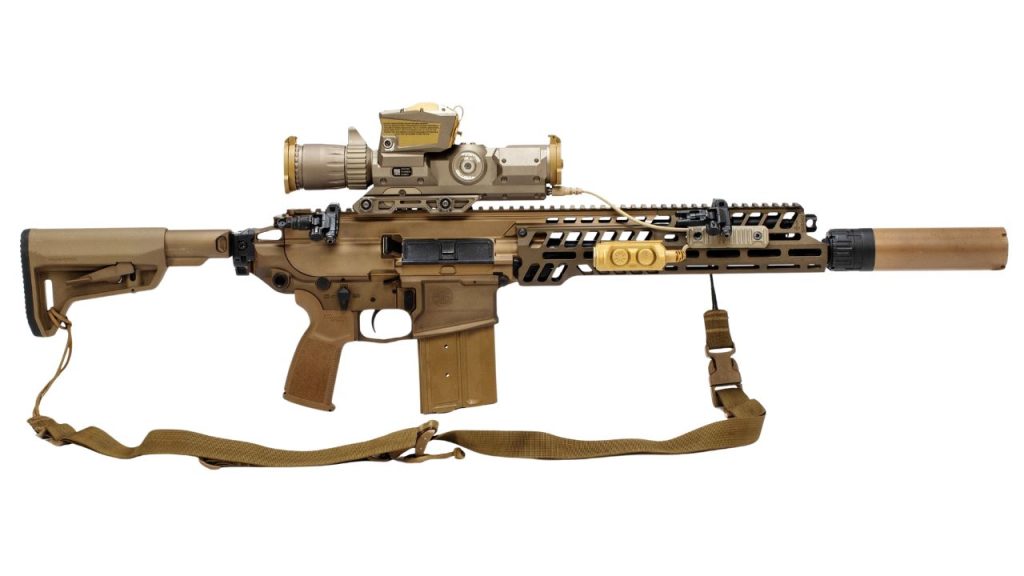
The XM7 traces back to the Army decision to overhaul small arms for close combat units rather than continue incremental upgrades to the M4. Under the Next Generation Squad Weapon (NGSW) program, the Army sought a rifle and automatic rifle that could defeat modern body armor and extend effective range, which led to the selection of a 6.8 mm cartridge and a new family of weapons. Program leaders framed the effort as a response to battlefield lessons that highlighted the limits of 5.56×45 mm systems in certain engagements and the need for improved lethality at distance.
Army officials at Joint Base San Antonio described how the service was moving forward with NGSW as a holistic package that includes the XM7 rifle, an automatic rifle counterpart, and an advanced fire control optic. The design that became the M7 rifle, previously labeled XM7 and originally XM5, is the Army variant of the SIG MCX SPEAR, a weapon developed by SIG to meet the new performance standards. According to the M7 rifle documentation, the first batch of 25 rifles was produced as part of the initial contract, with subsequent refinements planned as field feedback accumulates.
Early fielding with the 101st Airborne and operational testing
The first clear milestone in the XM7 rollout came when the Army chose the 101st Airborne Division as the initial operational unit to receive the weapon. Soldiers in that formation began new equipment training and live‑fire evaluations that introduced them to the different recoil impulse, weight, and ballistic performance of the 6.8 mm round. Reporting on those events highlighted that the XM7, when configured with a suppressor and basic combat accessories, weighs 9.8 pounds, a noticeable increase over a similarly equipped M4 carbine that affects how Soldiers carry and employ the weapon over long patrols.
Coverage of the 101st Airborne trials described how Army Soldiers in that division put both the XM7 and its automatic rifle companion through structured range events, close‑quarters drills, and user feedback sessions. A separate account noted that Mar fielding to the 101st represented the first new individual weapon family in roughly 65 years of Army history, a point emphasized by Officials in charge who cited a 2017 study that recognized the need for weapons that could overmatch emerging threats. That combination of historic framing and practical testing signaled that the XM7 had moved beyond experimental status into a real fielding campaign.
Guard and Reserve trials expand the user base
After the initial issue to the 101st Airborne, the Army began pushing XM7 test sets into National Guard formations to see how the weapon performs in different training environments and unit types. A notable example came when West Virginia and North Carolina Guard units conducted live‑fire events with the new rifle and its associated automatic weapon. Those events allowed Guard Soldiers to compare the handling of the XM7 to legacy M4 and M249 systems while also working through sustainment questions such as ammunition resupply and armorer support.
One report described how Shandell Green, a scout with B Company, 1st Squadron, 150th Cavalry Regiment, West Virginia Army National Guard, engaged targets with the new weapon during a dedicated evaluation event. That same coverage, also linked through a broader Guard test, showed how Guard leadership is treating the XM7 as more than an active‑duty system, with an eye toward eventually aligning Guard infantry and cavalry units with the same small‑arms standard as their active counterparts. These distributed trials help the Army refine training packages and logistics planning before large‑scale Guard fielding begins.
Which units get the XM7 first and how fast it spreads
As testing matured, the Army began to spell out which specific formations would receive the XM7 and its companion weapons in the first major waves. A detailed breakdown of unit assignments showed that close combat units, such as infantry and cavalry formations in certain divisions, sit at the top of the priority list. The focus is on organizations that are most likely to conduct dismounted combat, which aligns with the NGSW design goal of giving small squads more range and armor penetration.
One report on early distribution listed multiple brigades and highlighted that Sgt Laharey Robinson, an infantryman, represented the type of frontline Soldier the Army wants to equip first as it pushes the new rifle and automatic weapon package. That same account, written By Todd South, described how the Army intends to cascade the weapons from those early brigades to additional units through the late 2020s and into the 2030s. A separate planning overview from Program Executive Office laid out that the Next Generation Squad Weapon Syst is being fielded alongside a new optic, which means unit schedules must account for training on both the rifle and the advanced fire control, as well as the new 6.8 mm ammunition supply chain.
Performance debates, lighter variants, and what comes next
Even as fielding accelerates, the XM7 has sparked pointed debate inside the Army about weight, recoil, and suitability for all Soldiers. An Army captain publicly argued that the XM7 was unfit for general issue, citing concerns about the heavier 6.8 mm ammunition and the overall load that Soldiers must carry. The same critique pointed to the hybrid 6.8 mm rounds, which use a brass body with a stainless steel base designed for improved performance and reduced weight compared to a traditional all‑brass case. In response, SIG Sauer emphasized that it was already delivering production weapons and that the optic would be procured separately from Vortex Optics, while also pointing to combat experiences that drove the shift away from weapons that fire the 5.56×45 mm cartridge.
The manufacturer later introduced a lighter configuration of the M7 rifle after the controversy, a change described in a report that noted how You can see the company taking feedback to heart. Another analysis of the dispute explained how an Army captain used a professional forum to argue that the weapon did not fit typical infantry tasks, while SIG countered that the design met the Army requirement for overmatch. Those parallel narratives suggest that the XM7 fielding timeline will involve not only shipping rifles, but also iterative changes to configuration and doctrine as the service reconciles performance gains with the realities of dismounted load.

Leo’s been tracking game and tuning gear since he could stand upright. He’s sharp, driven, and knows how to keep things running when conditions turn.