U.S. commits nearly entire stealth cruise missile stockpile to Iran conflict
The conflict with Iran has reached a point where the United States is making some tough calls on its weapons supplies. Reports indicate that nearly all available units of a key stealth cruise missile are now headed into the fight. This move reflects the intensity of ongoing operations and the need to keep pressure on defended targets without putting more pilots in harm’s way. You can see why officials would reach for a system built exactly for standoff strikes like these.
It also raises questions about how long the current pace can hold and what it means for other parts of the world where the same missiles were once reserved. The decision did not come out of nowhere. It follows weeks of stepped-up activity, with American forces already engaged in a sustained campaign that began earlier this year.
How the commitment took shape
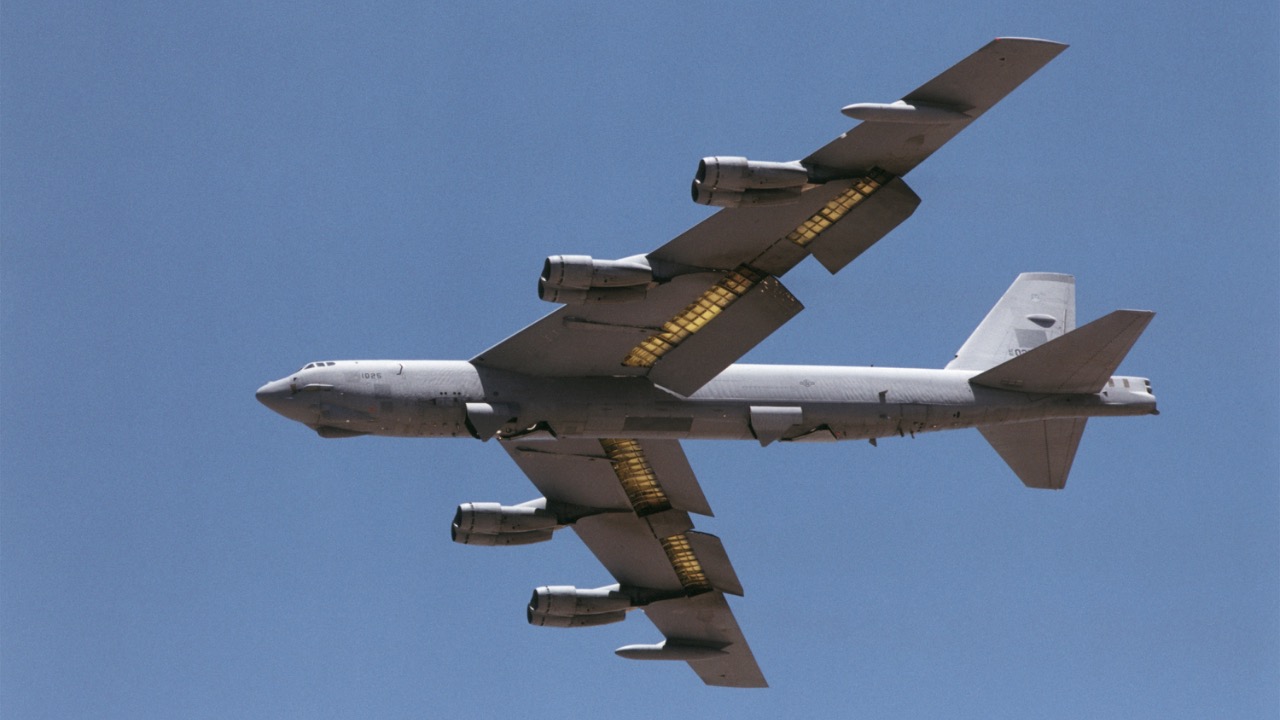
The order went out at the end of March to start moving the bulk of these longer-range stealth missiles toward the Middle East. Supplies sitting in Pacific storage and at bases inside the continental United States are being redirected to Central Command facilities or to the air base at Fairford in Britain. The goal is to support the next wave of strikes while aircraft stay well outside the reach of Iranian defenses.
This shift did not happen in isolation. It lines up with broader efforts to sustain air operations that have already drawn heavily on precision munitions. Planners appear to have weighed the immediate demands of the current theater against the risk of running low elsewhere, and they chose to go all in on the missiles that give the best chance of hitting high-value sites from a distance.
What sets the JASSM-ER apart
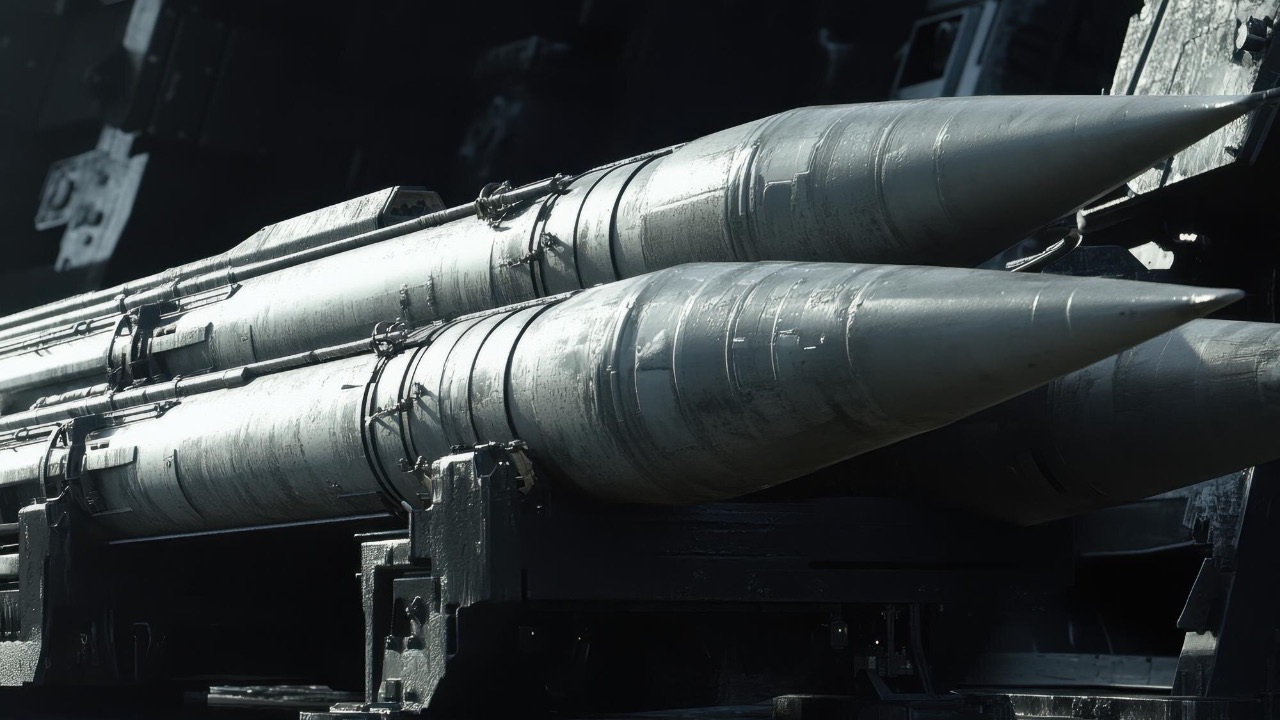
The AGM-158B JASSM-ER is a low-observable cruise missile designed to travel more than 900 kilometers before striking its target. It carries a roughly 450-kilogram penetrating warhead and uses a combination of inertial navigation, GPS, and an imaging infrared seeker for final accuracy. That seeker lets the weapon compare live imagery against pre-loaded target templates, helping it adjust in the last moments of flight.
Because the missile flies a preplanned route at low altitude and presents a very small radar signature, it is meant to slip past many modern air-defense systems. Launch platforms include the B-1B bomber, with integration work continuing on other aircraft. The combination of range and stealth gives commanders the ability to reach deep into contested areas without exposing crews to unnecessary danger.
Pulling from the Pacific reserves
Most of the missiles now heading to the fight had been positioned in the Pacific for potential contingencies involving higher-end adversaries. Those stockpiles were never intended for routine use, which is why the decision to draw them down stands out. Officials essentially decided that the needs of the current campaign outweighed the requirement to keep a full buffer in the region.
The transfer involves physically moving the weapons by air or sea to new operating locations. Once there, they will be loaded onto bombers or prepared for rapid employment. The scale of the movement underscores how quickly planners expect the tempo of strikes to increase in the coming weeks.
What remains in the global stockpile
Before the current operations intensified, the United States held roughly 2,300 of these extended-range missiles. After the latest reallocations, that number drops to about 425 worldwide. A small additional batch, around 75 units, is listed as unserviceable because of damage or maintenance issues.
Those remaining missiles would equip roughly seventeen B-1B bombers for a single full-load mission. The figure is not large when you consider the number of potential scenarios that could arise elsewhere. It leaves very little margin if another crisis were to flare up suddenly.
Why the timing matters now
The campaign against Iran has entered a phase that calls for repeated, accurate strikes on hardened or deeply buried facilities. Shorter-range options exist, but they would require aircraft to operate closer to threat zones. The extended-range version lets crews release weapons from safer distances and then turn for home.
Planners appear to have concluded that the next several weeks will be decisive. By concentrating these particular missiles in the theater, they hope to maintain momentum while limiting exposure for American aircrews. The choice also signals that the United States intends to keep the pressure on without pausing to wait for new deliveries.
The production picture ahead
Lockheed Martin’s baseline plan for this year calls for about 396 of the extended-range missiles. That rate can increase if the line is given priority, but even the higher figure would not replace the current drawdown overnight. It takes time to manufacture, test, and certify each unit before it reaches operational units.
In the meantime, the military will have to manage with what is already built and what can be repaired. The gap between consumption and replenishment is one reason the decision to commit so much of the existing inventory carries weight. It is not something that can be reversed quickly.
How this affects readiness elsewhere
The Pacific had been the primary focus for these missiles in planning documents for years. With so many now committed elsewhere, the buffer against other contingencies has grown thinner. That reality will force commanders to think harder about how they allocate the weapons that remain and whether other systems can fill any gaps.
No one is saying the United States cannot respond to new threats, but the margin for error has narrowed. The choice highlights the trade-offs that come when one theater consumes resources faster than they can be replaced. It is a reminder that modern conflicts can strain even the largest arsenals.
What comes next in the campaign
Operations in the region continue at a high tempo, and these missiles will likely feature prominently in the weeks ahead. Their ability to reach distant targets with precision gives commanders flexibility they would not otherwise have. At the same time, the limited global supply means every launch counts.
You can expect continued reporting on how the strikes unfold and whether the current approach achieves its objectives. The situation remains fluid, and the decisions made now will shape not only the outcome in the Middle East but also the posture the United States can maintain around the world for some time to come.

Asher was raised in the woods and on the water, and it shows. He’s logged more hours behind a rifle and under a heavy pack than most men twice his age.