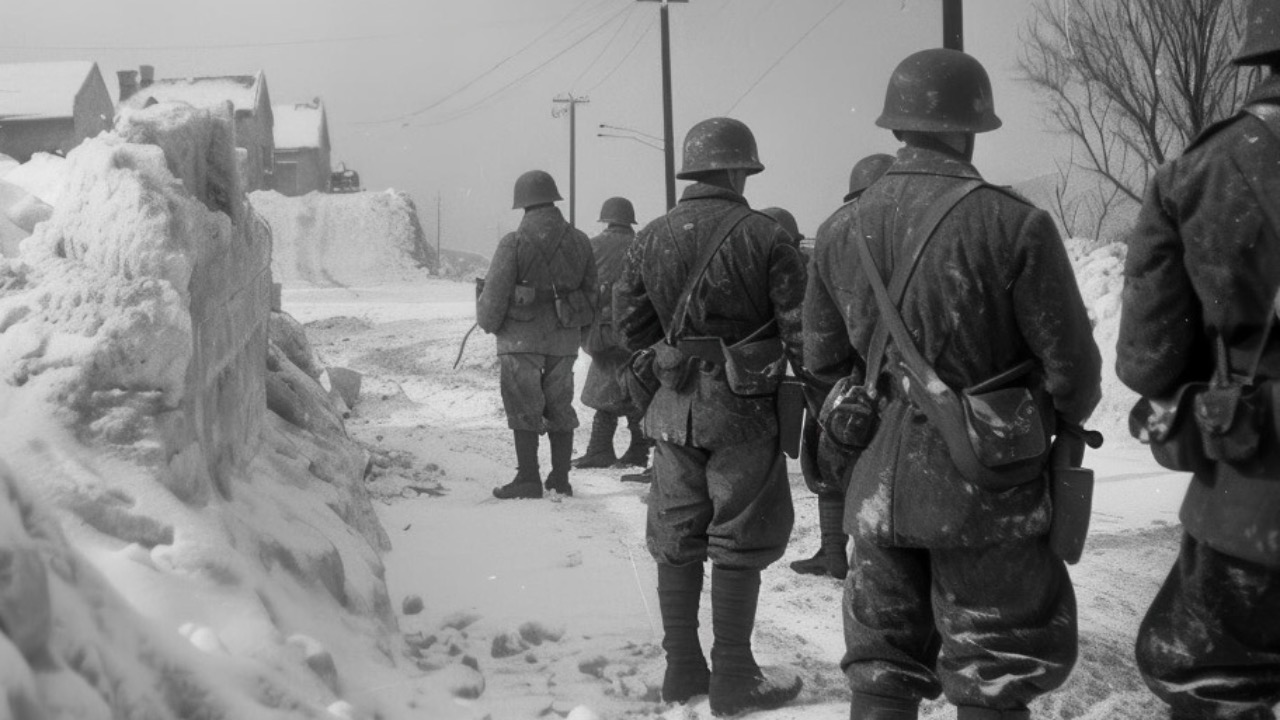
Forgotten Cold War plans that still raise eyebrows today
The Cold War ended decades ago, but some of the ideas cooked up in those tense years still sound like they came straight out of a spy thriller — or a bad science fiction movie.
While the world focused on nuclear standoffs and proxy wars, military planners on both sides were dreaming up schemes that ranged from wildly ambitious to downright bizarre. Many of these plans never left the drawing board, but the ones that did get far enough to be documented continue to make people shake their heads today.
Project Iceworm – Greenland’s secret nuclear city
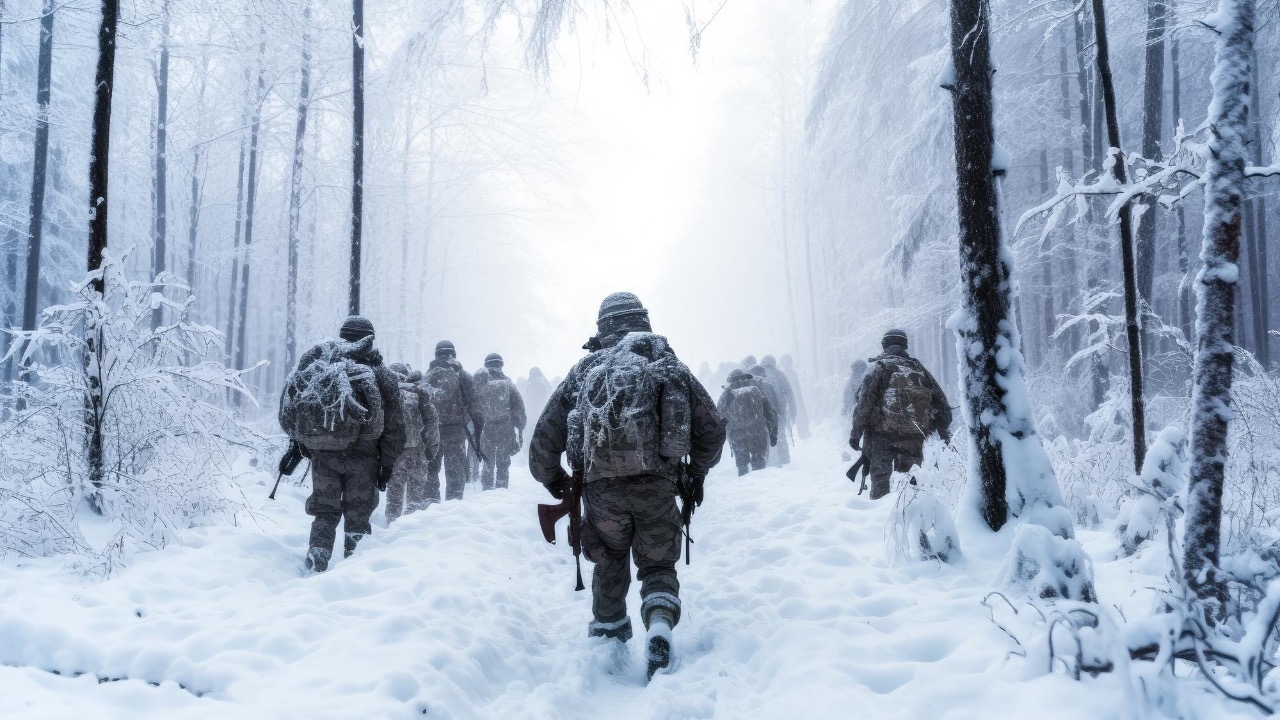
One of the most ambitious forgotten plans belonged to the United States. In the late 1950s, American engineers secretly built Camp Century deep beneath the Greenland ice sheet. The official story was that it was a research station for Arctic science.
The real purpose? Project Iceworm — a plan to create a massive network of tunnels and launch sites under the ice where mobile nuclear missiles could be hidden and moved around at will.
Planners envisioned hundreds of missiles constantly shifting positions so the Soviets could never pinpoint and destroy them all. At its peak, Camp Century housed soldiers, a small nuclear reactor, and miles of tunnels carved into the ice.
The project was eventually abandoned when engineers realized the ice was moving faster than expected and the tunnels were collapsing. Today, climate change is exposing what’s left of the camp, along with barrels of radioactive waste and fuel — a cold reminder of just how far the U.S. was willing to go.
Operation Acoustic Kitty – The CIA’s spy cat
If Iceworm sounds ambitious, the CIA’s Operation Acoustic Kitty was simply strange. In the 1960s, the agency spent millions turning a house cat into a living listening device.
Surgeons implanted a microphone in the cat’s ear canal, a small radio transmitter in its body, and an antenna along its spine. The idea was to release the cat near Soviet embassies or meetings so it could wander around unnoticed while transmitting conversations back to handlers.
The first test run ended quickly when the cat was hit by a taxi shortly after being released. The project was quietly shut down, but not before the CIA had proven it could wire an animal for sound. Declassified documents later showed the agency admitted the whole idea had “limited” success at best.
Project A119 – Exploding a nuke on the Moon
In 1958, the United States seriously considered detonating a nuclear bomb on the surface of the Moon. The plan, known as Project A119, wasn’t about attacking anyone — it was about beating the Soviets in the space race and sending a very visible message.
Scientists calculated that a nuclear explosion on the dark side of the Moon would be visible from Earth and could boost American morale while showing technological superiority.
Physicist Carl Sagan was reportedly involved in studying the dust cloud the blast would create. The project was eventually scrapped when officials realized the risks outweighed any propaganda value, and that a failed launch could scatter radioactive material across the atmosphere.
Still, the very fact that exploding a nuke on the Moon was once on the table shows how heated the space race had become.
Soviet plans that matched the madness
The Soviets had their own eyebrow-raising ideas. One involved training dogs to carry explosives and run under enemy tanks — a project that dated back to World War II but continued into the Cold War years.
Another rumored plan involved releasing thousands of infected rats or insects into the United States as biological weapons. While many details remain classified, declassified files confirm both sides poured serious money into biological and chemical research that today would spark international outrage.
Why these plans still matter
Looking back, these forgotten Cold War schemes highlight how fear and competition can push even the most rational governments toward extreme ideas. Nuclear weapons under moving ice, cats turned into spies, and nuclear fireworks on the Moon all sounded like reasonable options at the time to someone in a windowless briefing room.
Today they serve as cautionary tales. They remind us how quickly secrecy and one-upmanship can lead to decisions that seem absurd — or dangerous — in hindsight.
As new tensions rise around the world, it’s worth remembering that some of the strangest ideas in history were once taken seriously by people with real power and real budgets.
The Cold War may be over on paper, but the mindset that produced these plans still echoes in modern defense thinking. And that alone is enough to keep raising eyebrows.

Leo’s been tracking game and tuning gear since he could stand upright. He’s sharp, driven, and knows how to keep things running when conditions turn.