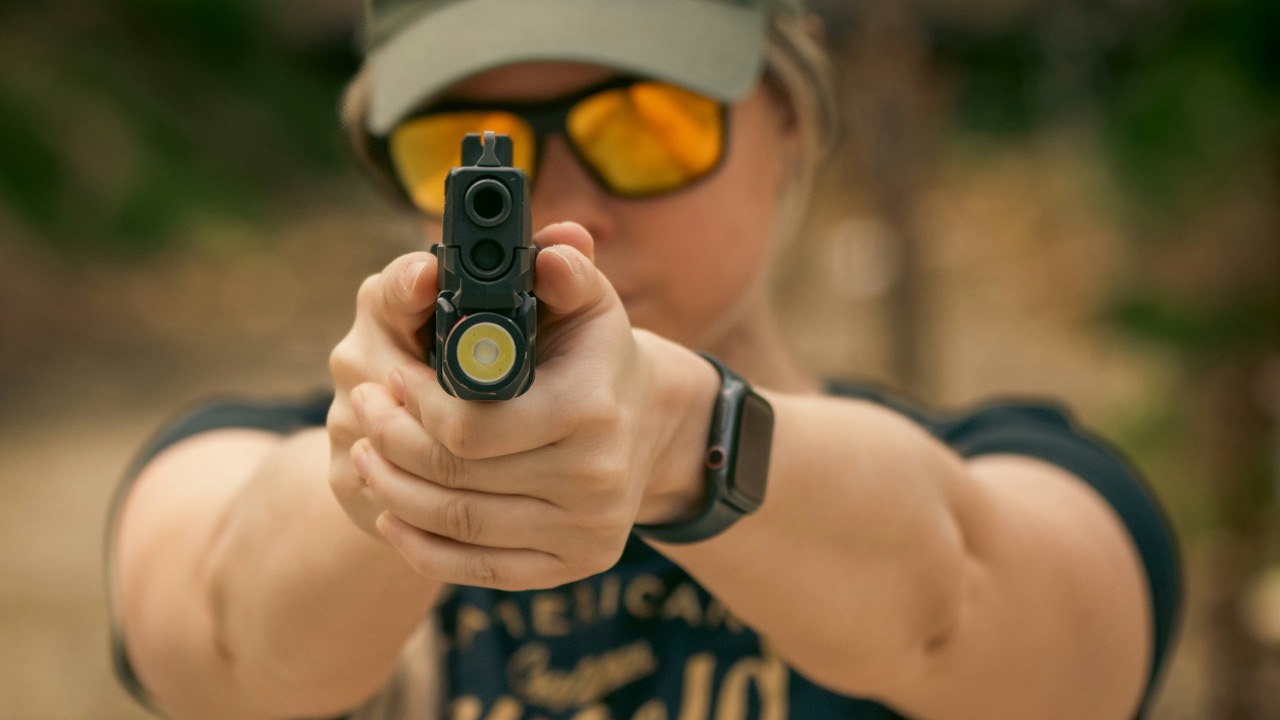
Firearm regulations every national park visitor should understand
Firearm rules inside national parks are far more complicated than a simple yes or no. Anyone who carries, from first-time visitors to seasoned backcountry hunters, needs to understand where federal authority stops, where state law begins, and what remains completely off limits once they roll past a park entrance sign. Getting that wrong can turn a family trip or a backcountry hike into a legal mess fast.
National parks see more than 300 m visitors each year, and a fair share of those people either carry a gun or travel with one in their vehicle. The law does allow firearms in many situations, but it also draws hard lines on things like federal buildings, wildlife, and target shooting. A smart visitor treats those rules like any other piece of essential gear and learns them before heading into the mountains, desert, or battlefield parks.
How the basic national park firearm rule actually works
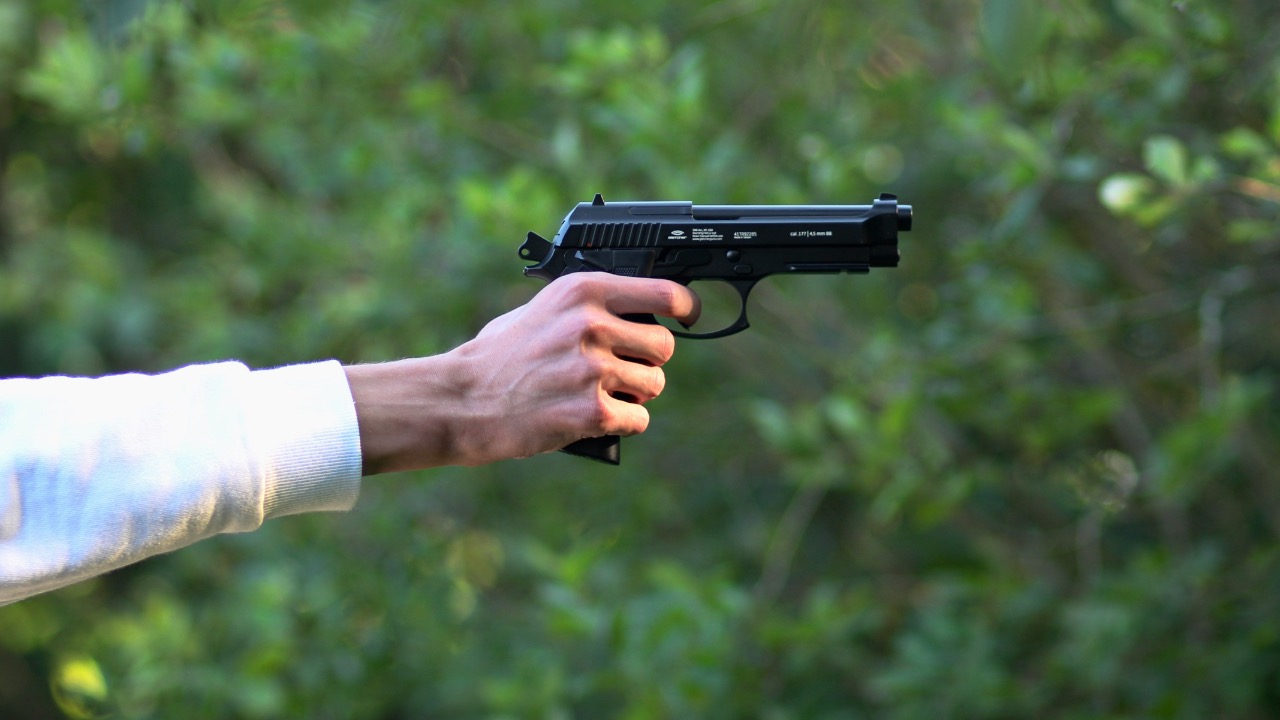
The starting point is simple on paper: Yes, a person can legally carry a firearm in national parks, but only if they can legally possess and carry that gun under the law of the state where the park sits. Federal law changed in 2010 so that possession of Firearms in National Park Units generally tracks state carry rules, which is why one park may allow open carry while another requires a permit or bans it outright. The National Park Service explains that Possession of Firearms in National Parks is tied to the same state statutes that control guns outside the boundary, so a visitor who is legal in the surrounding state is usually legal inside the park as well.
That broad rule hides a lot of nuance. Some parks, like those that cross state lines, require visitors to understand two or more sets of state carry laws in a single day of driving. Others sit inside states with strict magazine limits or permit requirements that follow the gun into campgrounds and trailheads. Guides that walk through Guns in National Parks, including whether a visitor can carry a Gun in a National Park and a clear answer of Yes in many cases, stress that the key rules include checking each park’s website and state code before a trip so a traveler does not rely on assumptions or generic advice.
Why state law controls, and where federal law still draws the line
When Congress rewrote the rules, it deliberately tied firearm possession inside national parks to state law instead of creating a single national standard. That is why The Legal Landscape of Firearms in National Parks and related Federal Laws and Regulations now look different from one region to another, even though the land is managed by the National Park Service. In practice, this means a concealed handgun license that is valid in one state may be useless in the next, and a rifle that is legal in a western park could violate a capacity limit in an eastern one. Visitors need to treat state borders inside large parks the same way they treat a highway crossing, because the legal status of a loaded pistol on a belt can change in a matter of minutes.
Federal law still keeps some bright red lines in place. The National Park Service makes clear that, unless authorized, the use or discharge of a firearm is banned and that visitors cannot rely on firearms as protection from wildlife. Separate guidance on Firearms in National Parks also explains that earlier rules allowed people who traveled with firearms to keep an unloaded firearm that was rendered inoperable and packed, cased, or stowed, and those transport concepts still matter when crossing jurisdictions with different carry rules. In short, state law controls whether someone may possess a loaded gun on a trail, but federal law still controls when, where, and why that gun can ever be fired.
Federal buildings and other absolute no-gun zones
Even in parks where carry is broadly legal, some places are completely off limits. National guidance on Firearms in National Parks spells out that federal facilities remain gun free, which covers visitor centers, administrative offices, and many maintenance or operations buildings. Signs at the entrances to these structures typically mark them as firearm-prohibited areas, and that restriction applies even to people who are fully licensed under state law. A hiker can be legal walking across the parking lot and instantly illegal the moment he steps through a doorway with a concealed pistol still on his belt.
Specific park policies echo the same line. At Shiloh National Military Park, for example, the Firearms Policy explains that a new federal law, listed as Sec. 512 of P.L. 111-24, made national parks and national military parks follow state possession rules while still keeping federal facilities off limits. Other park law and policy pages, such as those for General Grant National Memorial, direct Visitors to the broader Firearms in National Parks explanation so they understand that even a pocket pistol must stay outside certain doors. Anyone who carries needs to treat every posted federal building sign as hard law, not a suggestion, and plan accordingly with lockboxes or secure storage in their vehicle.
Discharge bans, target shooting, and hunting confusion
One of the biggest misunderstandings is the gap between carrying a gun and using it. The National Park Service states plainly that, unless authorized, the use or discharge of a firearm is prohibited and that visitors cannot use firearms as protection from wildlife. Separate guidance on How To Safely Travel With Your Firearm to National Parks explains that target practice is banned in National Park units and that no visitor may use a firearm’s target practice or discharge for recreation. That means no plinking at cans by the campsite and no informal shooting on backcountry ridges, even if state law outside the park would allow it.
Hunting adds another layer of confusion. Some national preserves and a few park units allow hunting under tightly controlled conditions, while most classic parks do not. A summary of Historical Context on National Park Gun Laws notes that, Pre-2010, Firearms were generally restricted and that even now firearm possession is allowed in many parks but does not authorize using guns for hunting or target practice where those activities are banned. Visitors who want to hunt need to confirm that the specific unit is open to it, that they hold the right state license, and that they follow every season and weapon restriction. Carrying a sidearm for personal defense does not magically turn a national park into a legal hunting area.
Wildlife encounters, bear spray, and why a gun is a poor first tool
Many people who strap on a handgun in the backcountry say they are doing it for bears. The National Park Service’s own safety guidance on Staying Safe in Bear Country points out that Firearms are not recommended for stopping an attack and that Using a handgun or rifle in a close encounter may only worsen the attack. Bears move fast, angles are bad, and a wounded animal that was only grazed can become even more aggressive. In real-world maulings, shooters often run out of time, distance, or both before they can place accurate rounds.
That same guidance stresses that bear spray is usually a better option. A cloud of capsaicin does not require pinpoint accuracy, and it works regardless of whether the animal is a grizzly, black bear, or even an aggressive elk. Park safety staff consistently recommend carrying spray on a chest harness or belt where it can be reached instantly, and they treat firearms as a last-ditch tool rather than a primary defense. Visitors who insist on carrying a gun for wildlife should still practice with bear spray, understand wind and distance limits, and remember that park rules do not allow them to shoot wildlife simply because it is nearby or curious.
Real-world examples from Yellowstone, Big Bend, and other parks
Looking at individual parks helps turn abstract rules into practical guidance. In Yellowstone, official visitor information under the heading Can I Bring a Gun to Yellowstone answers that question directly: Yes, guns are permitted in Yellowstone National Park, and park visitors are able to openly carry long guns or handguns if they are allowed by state statute. That same guidance reminds people that they are crossing multiple state lines as they drive, so they must understand how Wyoming, Montana, and Idaho each handle open and concealed carry. A handgun that is perfectly legal at a Montana trailhead might need to be unloaded and cased before crossing into a stricter zone.
Far to the south, Firearms Regulations at Big Bend National Park highlight a different set of stakes. The park warns visitors that WILDLIFE IS PROTECTED BY FEDERAL LAW and that the regulations to carry a firearm do not permit the discharging of a firearm, then urges anyone with questions to speak with a ranger or stop at a park visitor center. Big Bend sits along the Rio Grande and sees a mix of hikers, river runners, and border traffic, and the park’s message is blunt: carry if state law allows, but do not fire unless a very narrow exception applies. Other park pages, such as those for Bandelier National Monument, tell visitors that, as a starting point, they should visit the Firearms in National Parks page before they decide how to store or carry their guns on site.
Concealed carry, reciprocity, and traveling across multiple states
For concealed carriers, national parks are where reciprocity charts really matter. A detailed guide on concealed carry in national parks notes that, From Zion to the Rocky Mountains to Glacier National Park, over 300 m people visit one of America’s national parks each year and that each visitor must follow the host state’s permit and reciprocity rules. A license that covers a driver in Utah might not help in California, and a park like Great Smoky Mountains involves both Tennessee and North Carolina, each with its own list of recognized permits. Anyone planning a long road trip through several parks should map out where their license is honored and where it is not long before they hit the gate.
Travelers who want to stay armed but legal also need a plan for transport when they cross into a state that does not recognize their permit. Older National Park Service FAQs on Firearms in National Parks explain that people who traveled with firearms could have an unloaded firearm that was rendered inoperable and packed, cased, or stowed to stay on the right side of the law. That same approach still works today when drivers move through restrictive jurisdictions. Lock the gun in a hard case, unload it completely, separate it from ammunition, and keep it in a part of the vehicle that is not easily accessed from the passenger compartment. It is not as convenient as carrying on the hip, but it is better than a roadside arrest.
Practical carry tips: holsters, storage, and checking rules
Once the legal homework is done, the next step is carrying in a way that is safe and nonthreatening to other visitors. Guides that walk through Guns in National Parks, including practical advice on holsters and storage, emphasize that a quality belt holster with solid retention is the best option for most hikers. A chest rig can be useful under a backpack harness, while a pocket pistol that floats around in a loose pocket is a recipe for a negligent discharge. Companies that focus on carry gear, such as those behind detailed Guns in National Parks Rules and Regulations and What You should know, stress that a gun in a national park should always be under control, covered when appropriate, and never handled casually around crowds or kids.

Asher was raised in the woods and on the water, and it shows. He’s logged more hours behind a rifle and under a heavy pack than most men twice his age.