The gear failures that turn hunts into long walks home
Hunts rarely end with a dramatic gear explosion. More often, a quiet failure turns a promising day into an exhausting walk back to the truck, rifle slung uselessly or boots squishing with every step. Those long exits are usually preventable, and the patterns behind them are surprisingly consistent across rifles, bows, packs and tents.
From neglected bolts to soaked optics, the same small oversights show up in accident reports, off season maintenance guides and backcountry trip logs. Taken together, they sketch a simple equation: disciplined care before and during the season keeps hunters in the game, while shortcuts tend to cash out in miles, not meat.
How neglected maintenance strands hunters
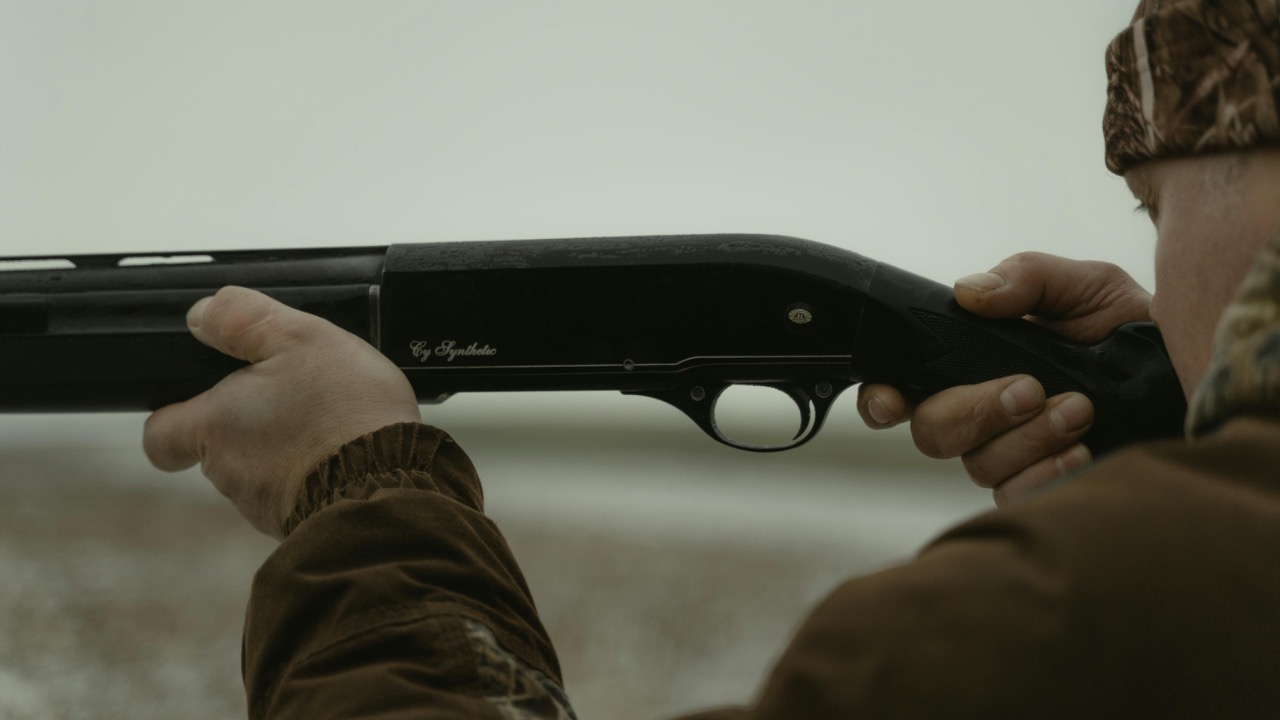
Most catastrophic failures begin long before a shot is fired. Off season neglect lets corrosion, grit and wear build up until a marginal part finally gives out under field stress. Several maintenance guides stress that hunters should evaluate gear in, when there is time to strip packs, waders and weapon systems down to their components.
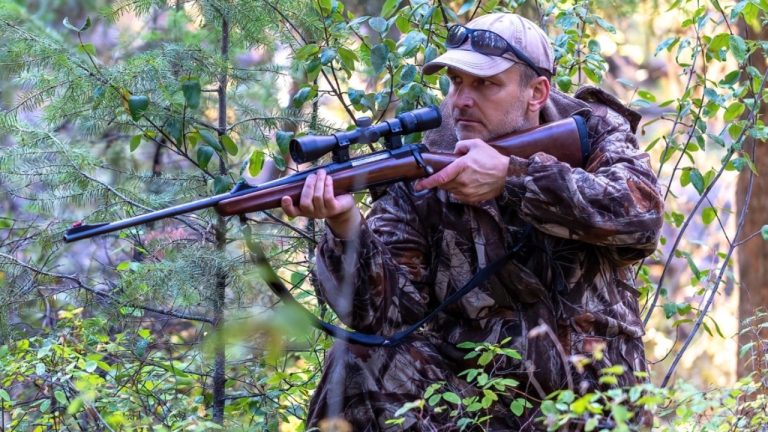
Rifles are a prime example. Detailed rifle care advice frames cleaning as a safety and accuracy issue, not just cosmetic upkeep. One guide titled Essential Guide to Hunting Rifle Maintenance notes in a section called Why Rifle Maintenance that Regular bore and action cleaning preserves reliability, while loose bases and neglected screws can shift point of impact enough to turn clean kills into misses or wounded animals.
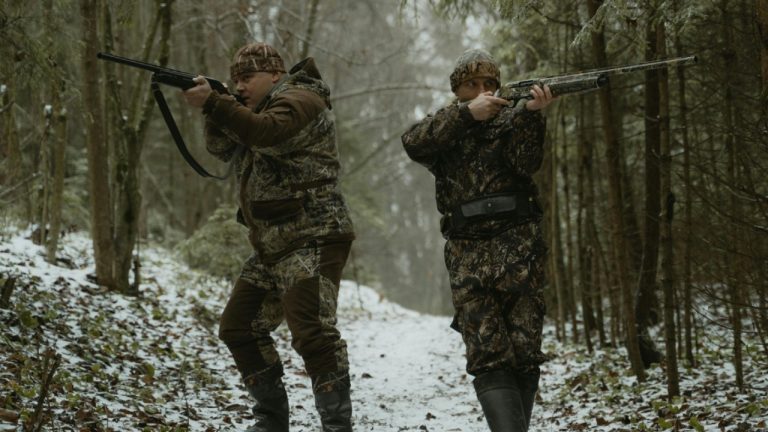
Basic weapon handling habits also matter. A detailed gear care breakdown for Firearms and Bows stresses an Unload and Disassemble routine, reminding hunters to Always verify an empty chamber, then Break the system down for cleaning. Skipping those steps lets moisture hide in nooks, where it can pit metal or swell wooden stocks until they bind.
When bowhunters discover problems at full draw
Archery equipment tends to fail more quietly, but the consequences are just as real. One bowhunting account describes arriving at an elk camp and finding the Bowstring so out of tune that the arrows hit far below the target at 20 yards. Instead of a calm first evening on the glass, the hunt started with an emergency re sighting session.
Another analysis of archery mishaps lists Cracked Limbs Bow failures as a recurring problem. Usually the damage traces back to dry firing, mishandled storage or unnoticed dings that later spread into structural cracks. Those flaws might hold through practice, only to fail under the stress of a cold morning draw on a live animal.
Bowhunters who travel long distances are especially vulnerable. Many fly in with equipment that has been bounced through airports and truck beds, then discover at first light that peep sights have rotated or rests have shifted. Off season checks and a quick tune session after travel can keep those surprises from turning into wasted tags.
Wet, dirty and worn out: the slow killers
Water and grit are the slow killers that rarely get blamed directly, yet sit behind many failures. One waterfowl gear guide lists Neglecting to Clean Gear and dry waders as a leading cause of leaks and material breakdown. Once seams start to fail, the first sign in the field is usually a boot that fills with icy water halfway through a long slog to the blind.
Wet weather storage is part of the same pattern. A detailed wet weather guide urges hunters to Use Waterproof Bags, relying on Dry storage and Lightweight roll top sacks to protect optics, ammunition and electronics. When those items are left unprotected, moisture fogs scopes and corrodes contacts, often right when a storm front pushes animals on the move.
Off season organizers echo the same message. A spring cleaning guide from R&K Experience the Hunting Co urges hunters to Inspect and scrub every firearm, noting that Every neglected speck of rust or sand is a future malfunction waiting to surface.
Treestands, knives and the quiet safety failures
Some gear problems do more than cost a shot. They threaten lives. Treestand accident accounts, including one detailed fall story, describe a hunter who ignored obvious wear on straps and cables. An analysis of that incident on a bowhunting safety site notes that the hunter now uses his experience as a cautionary tale and that the cause was simple neglect of basic Aug inspection routines.
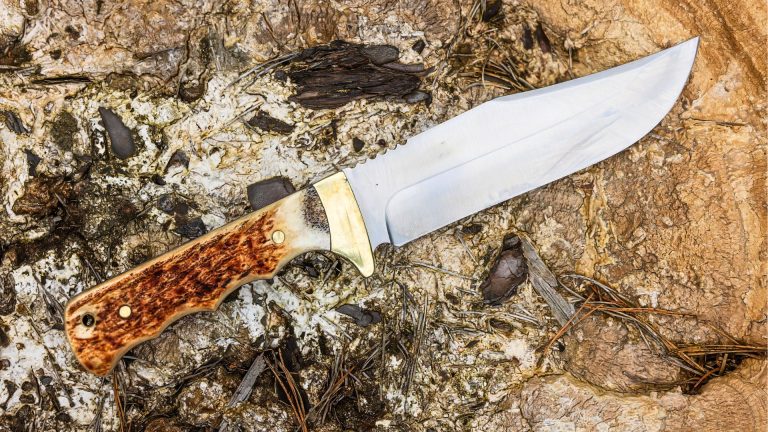
Cutting tools are another overlooked hazard. Knife and tool maintenance advice from a western hunting outfitter urges hunters who are Looking to extend gear life to Discover how regular sharpening and corrosion control keep blades from snapping or slipping during field dressing. A dull, chipped knife forces more pressure and awkward angles, which increases the risk of self inflicted cuts miles from medical help.
Backpacking failures that mirror hunting problems
Backpacking stories offer a stark preview of what happens when hunters push gear past its limits. In one widely watched trip report, Darwin describes spending 17 days in the Alaskan wilderness on a 300 plus mile traverse, only to watch supposedly trail ready equipment fail under constant wet, cold abuse. Backpack frames, tent zippers and rain gear all degraded faster than expected, leaving him improvising repairs far from roads.

Asher was raised in the woods and on the water, and it shows. He’s logged more hours behind a rifle and under a heavy pack than most men twice his age.