Iran’s leadership signals continued support for militant groups
You’ve probably noticed the headlines coming out of Tehran these past few weeks. With the dust still settling from U.S. and Israeli strikes that took out the old supreme leader and several top officials, Iran’s new leadership under Mojtaba Khamenei has made its position crystal clear. They are not backing down. Instead, they are openly reaffirming ties to the network of allied militant groups they have long called the Axis of Resistance. This is not some vague diplomatic nod. It is a deliberate message sent at a moment when Iran looks battered but determined to keep its regional influence alive through these proxies. The timing matters. It comes as the conflict stretches into April 2026, and the new supreme leader wants everyone to know the strategy remains unchanged.
The Shift at the Top in Tehran

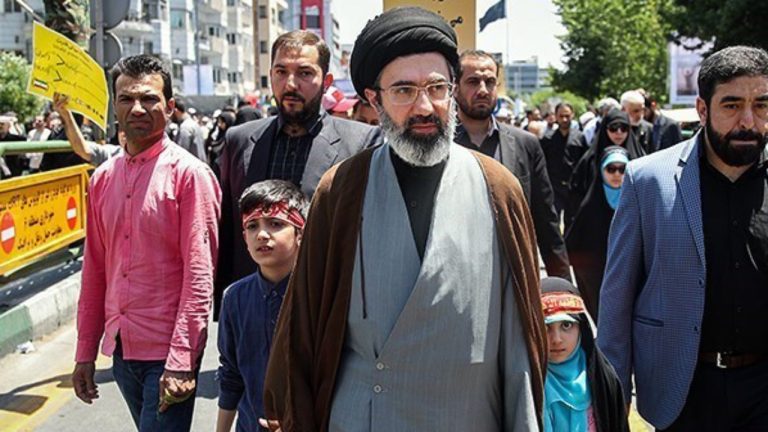
You can see the continuity right away in how the new supreme leader stepped into the role. After his father’s death in the opening days of the latest round of fighting, Mojtaba Khamenei was chosen quickly. The move itself sent a signal of defiance to Washington and Jerusalem. Rather than signaling weakness, Iranian authorities presented it as business as usual for the Islamic Republic. Senior figures, including those from the Revolutionary Guard, lined up to back him. They framed the choice as proof that the system holds firm even under pressure. You get the sense they want outsiders to understand that leadership transitions will not disrupt the flow of support to their partners abroad.
At the same time, the new leader wasted little time issuing his first public statements. He praised the armed forces and called for continued resistance. The language was measured but firm. It left no doubt that Iran’s approach to the region stays the same. You might expect a fresh face to bring fresh ideas, yet here the emphasis falls squarely on preserving the old playbook. That playbook has always centered on building and sustaining relationships with non-state actors who share Tehran’s worldview.
Messages That Reach Beyond Iran’s Borders
When Mojtaba Khamenei released his initial written message in mid-March, you could almost hear the reassurance aimed at allies. He described the resistance front as inseparable from the core values of the Islamic Revolution. He thanked groups in Lebanon, Yemen, and Iraq for standing with Iran despite the obstacles. The wording was straightforward. These partners are not optional extras in Iranian policy. They are central to it. You see this as more than polite thanks. It is an explicit promise that funding, training, and coordination will keep flowing.
He also referred to them as close friends. In the middle of active conflict, that phrasing carries weight. It tells the groups they can count on Tehran even when the pressure intensifies. For you watching from afar, it clarifies why these militants have stepped up their own operations in recent days. The message was not whispered in back channels. It came through state media for everyone to read.
Hezbollah’s Immediate Response on the Ground
Look at Lebanon and you see the practical side of this support. Hezbollah moved fast once the war escalated. Within days of the initial strikes on Iran, the group launched missile and drone attacks toward Israel. Iranian backing has long given them advanced weapons and training. Now they are using those capabilities to draw Israeli attention and resources away from the main fight. You notice how their leaders frame these actions as solidarity with Tehran rather than isolated moves.
The coordination feels tight. Hezbollah’s elite units have been active along the border, and their statements echo the same resistance language coming from Iran. For years Iran has invested heavily in this partnership. The current conflict shows the return on that investment. You can trace the pattern back through previous rounds of fighting. When Iran calls, Hezbollah answers. This time is no different.
The Houthis Expand Their Reach Once More
Turn your attention south to Yemen and the Houthis have re-entered the picture in a noticeable way. After sitting on the sidelines for the first month of the wider war, they began launching missiles and drones toward Israel in late March. Iranian-supplied technology plays a clear role here. The group claims these strikes support both Iran and the broader resistance network. You see the pattern repeating from earlier Red Sea disruptions. Once Tehran signals it needs help, the Houthis deliver.
Their timing aligns closely with the new supreme leader’s public statements. It is not coincidence. Iran has provided the Houthis with ballistic missiles and drones for years. In return, the group creates headaches for Israel and disrupts shipping lanes that matter to the West. You get the impression this is exactly the kind of distributed pressure Tehran wants to maintain.
Iraqi Militias Coordinate Their Actions
Over in Iraq the picture looks similar but plays out through several Shiite militias tied to Iran. Groups like Kata’ib Hezbollah and others have claimed attacks on U.S. positions and voiced support for the new Iranian leadership. Their statements reference the losses in Tehran as attacks on the entire resistance project. You see how they turn those deaths into a rallying point rather than a setback. Coordination across borders appears stronger than before.
These militias have received weapons, funding, and guidance from Iran for a long time. The current conflict gives them a chance to repay that investment. You notice the way their actions complement what Hezbollah and the Houthis are doing. It creates multiple fronts that stretch American and Israeli resources. The message from Tehran encourages exactly this kind of synchronized effort.
A Strategy Built for Long-Term Pressure
You have to step back to appreciate how long Iran has refined this approach. Support for these groups is not a recent invention. It forms the backbone of Tehran’s regional policy. Even after heavy losses in the latest fighting, the leadership shows no interest in dialing it back. Instead, they are reinforcing the network at every level. You see this in the public praise, the continued arms flows, and the encouragement of joint operations.
The new supreme leader’s words reinforce the same priorities his father emphasized. Resistance against the United States and Israel remains non-negotiable. For you trying to follow the bigger picture, this consistency explains why the conflict keeps spreading. Iran treats its militant partners as strategic assets worth protecting no matter the cost.
What This Means for the Region Right Now
As you watch developments unfold, the signals point toward more friction ahead. Iran’s leadership is not signaling retreat. They are inviting their allies to stay engaged and active. That choice keeps the pressure on multiple capitals at once. Gulf states, Israel, and the United States all feel the effects through different channels.
At the same time, the strategy carries risks. Prolonged fighting drains resources on every side. Yet Tehran appears willing to accept those costs to preserve its influence. You sense the leadership believes this network gives them leverage that conventional military power alone cannot match. The coming weeks will test whether that calculation holds up under sustained pressure.
The Human and Strategic Costs on All Sides
Think about the people caught in the middle of this. Civilians in Lebanon, Yemen, Iraq, and Israel live with the daily consequences of these exchanges. You see reports of intercepted missiles, border clashes, and strikes that hit populated areas. The militant groups Iran supports operate with their own agendas, but Tehran’s backing gives them reach and staying power.
Strategically, the continued support complicates any path toward de-escalation. Leaders in Tehran know this. They have chosen to double down anyway. For you sorting through the news each day, it helps to keep that choice in focus. The signals are not subtle. Iran’s new leadership wants the world to understand that its commitment to these groups runs deep and will not fade quickly.

Asher was raised in the woods and on the water, and it shows. He’s logged more hours behind a rifle and under a heavy pack than most men twice his age.