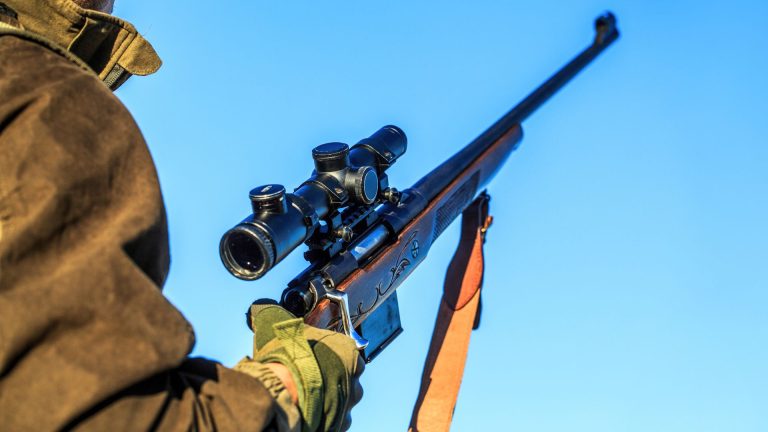
U.S. Lawmaker Urges German Princes to Restore Hunting Access on Vast Forest Holdings in Washington State
A U.S. lawmaker is calling on members of German nobility who hold large timber and forest land interests in Washington state to restore public access for hunting. The appeal comes amid growing frustration in rural communities over expanding private land ownership that has reduced traditional access to woods long used for recreation and food gathering.
The issue has gained attention because some of the holdings tied to European investment groups and aristocratic families now cover large forest areas in Washington’s coastal counties. Critics say these ownership patterns have changed how land is used locally, shifting it away from open access toward restricted management and gated entry systems.
Lawmaker raises concerns over access and rural traditions
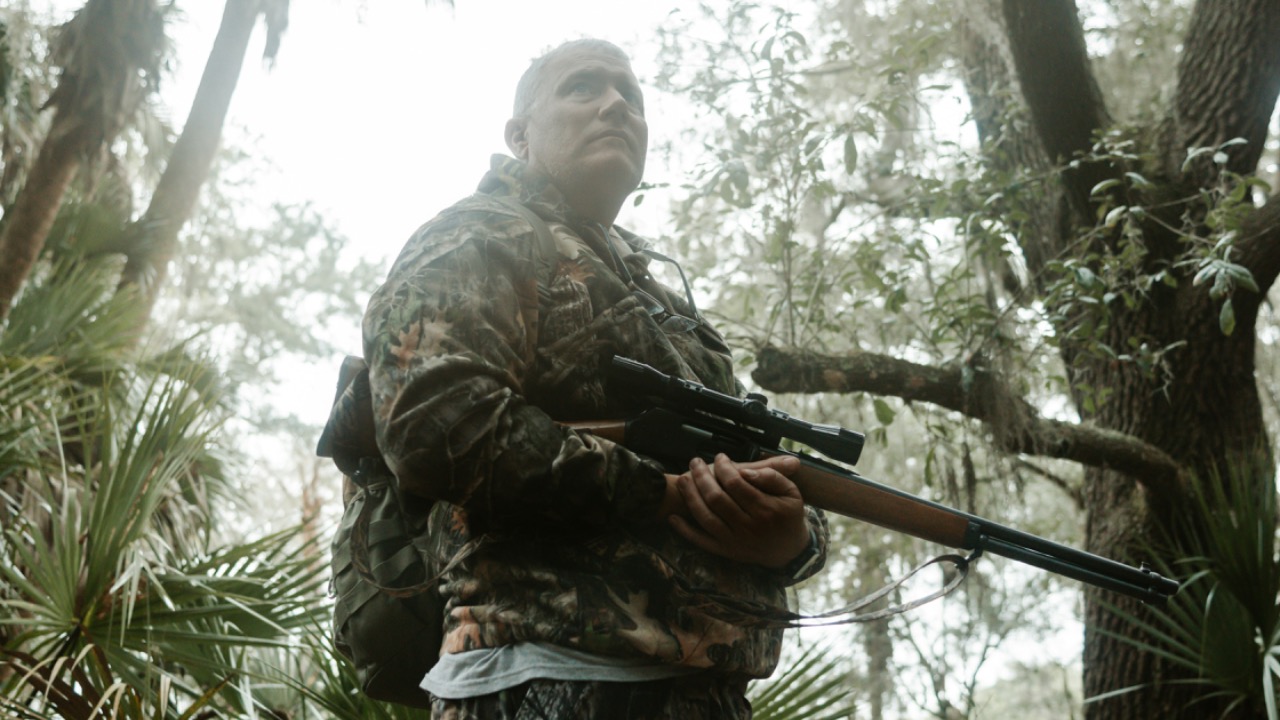
Representative Marie Gluesenkamp Perez has publicly urged members of the German Salm family to reconsider access restrictions on their Washington forest holdings. She argues that hunting access is part of the region’s cultural and economic fabric, especially in rural areas where people rely on public and private land access for subsistence and tradition.
Her comments reflect broader concern that access to land in parts of Washington is shrinking due to large-scale private ownership. In some cases, land closures not only block direct entry but also cut off access to nearby public or state-managed areas, creating larger zones that are effectively unusable for local hunters.
Foreign investment and changing land ownership patterns
The debate is tied to a longer trend of forest land consolidation by investment firms and overseas entities. In parts of Washington, timberland has shifted from local ownership to large portfolios managed by international companies and investment groups, changing how access rules are set and enforced.
These companies often manage land for long-term financial returns, which can include limiting public entry, restricting road access, or requiring permits. While this approach is legal under private ownership rules, it has created friction with residents who historically used these lands more freely for hunting, fishing, and travel.
Local frustration over blocked access
In rural counties, the issue is not just about hunting but about access in general. Gates, restricted roads, and posted land boundaries have become more common as ownership has shifted. Residents say this has changed long-standing patterns of how communities interact with surrounding forests.
Some local officials and land users argue that the loss of access affects both lifestyle and local economies. Hunting in particular has long been tied to rural food supply and seasonal tradition, and reduced access has forced some residents to travel farther or rely more on limited public land.
Balancing private rights and public use concerns
Supporters of current land management practices argue that private owners have the right to control access and protect property. From their perspective, restricting entry is a standard part of managing large forest holdings, especially when liability, conservation, or timber operations are involved.
Critics counter that when ownership reaches large scale—especially across entire regions—the impact feels closer to public policy than private property decisions. That tension is at the center of the debate: how to balance legal ownership rights with long-standing public expectations of access in rural forest regions.
What could happen next
At this stage, the lawmaker’s appeal is largely political pressure rather than enforceable policy. Any change in access would likely depend on negotiations with landowners or shifts in how large forest holdings are managed in the future.
For now, the situation highlights a broader conflict playing out across parts of the western United States, where increasing private and institutional ownership of forest land is reshaping how people interact with landscapes that were once widely accessible.

Leo’s been tracking game and tuning gear since he could stand upright. He’s sharp, driven, and knows how to keep things running when conditions turn.