U.S. Navy Disables Iranian Cargo Ship in Seizure Operation; Tehran’s Response Strains Cease-Fire
Recent developments in the Gulf of Oman have drawn fresh attention to the ongoing friction between the United States and Iran. Over the weekend, U.S. naval forces intercepted an Iranian-flagged cargo ship that attempted to move past an established blockade near the Strait of Hormuz. The operation ended with the vessel disabled and under American control. Iranian officials responded quickly and forcefully, labeling the action a breach that now threatens a short-term cease-fire agreement already facing an expiration date in the coming days. You can trace how one ship’s route turned into a larger diplomatic flashpoint when you examine the sequence of events and the positions on both sides.
The Blockade Enforced by U.S. Forces
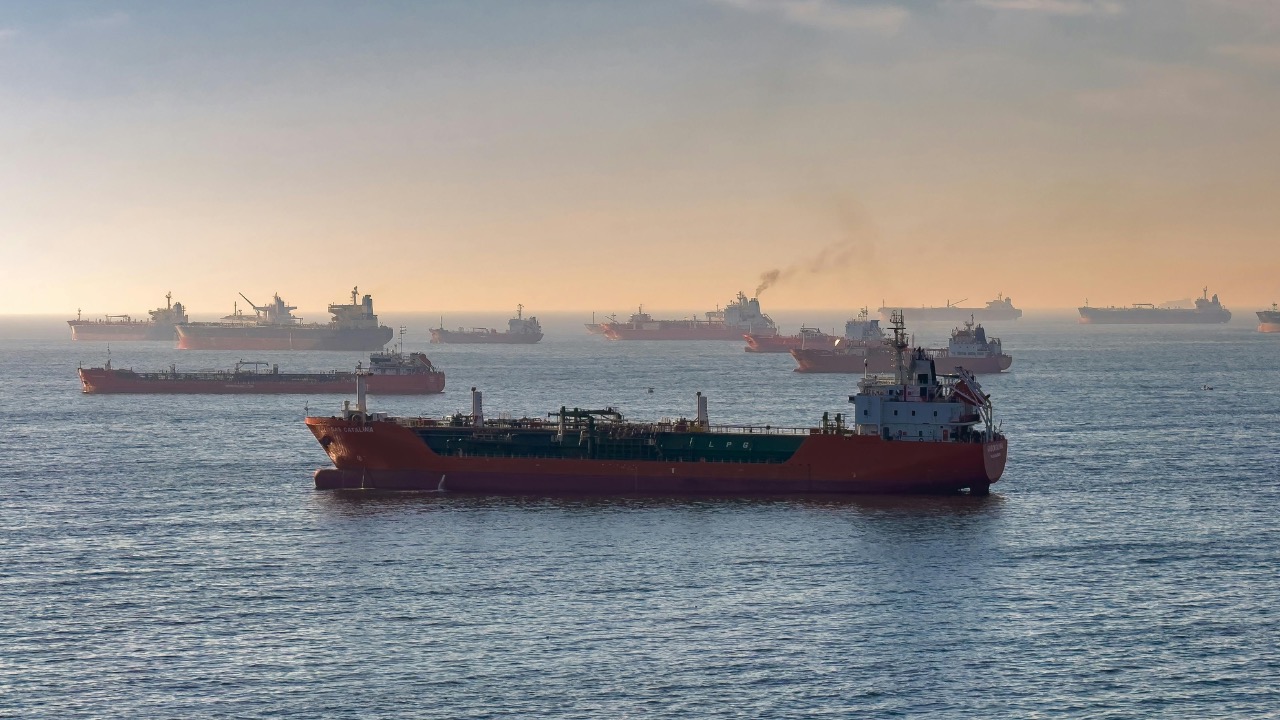
The United States had put a naval blockade in place around Iranian ports and shipping lanes in the days leading up to the incident. This measure aimed to restrict commercial traffic headed toward Iran as part of broader pressure tactics in the region. The Iranian-flagged ship tried to push through anyway, steaming toward the port of Bandar Abbas at a steady speed. You see the stakes clearly here because the blockade formed the legal and operational line that the vessel crossed, prompting the immediate response from American warships already on station in the area.
Centcom described the effort as a straightforward enforcement action after repeated attempts to communicate with the crew failed. The operation marked the first time U.S. forces had physically stopped a ship under the new blockade rules. Officials noted that the vessel remained under sanctions from the U.S. Treasury, which added another layer to the decision to act.
The Ship Involved and Its Path
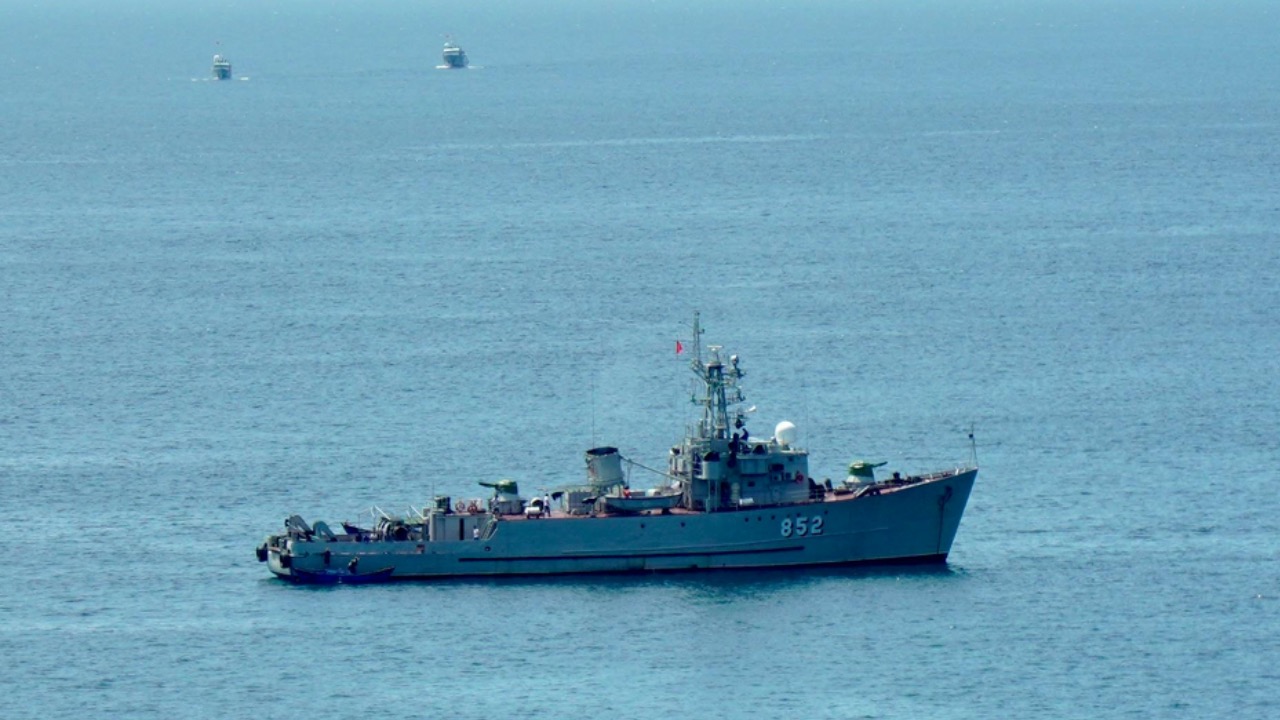
The vessel in question, known as the M/V Touska, flew the Iranian flag and belonged to a shipping company listed under American sanctions. At roughly 294 meters long, it carried the capacity for more than 2,000 containers and operated under Iranian management. It had been moving through the north Arabian Sea on a direct course to Bandar Abbas when the interception occurred. You can picture the scale when you consider its size relative to the warships that confronted it in open water.
Records show the ship maintained a speed of about 17 knots during its approach. U.S. forces tracked its movements closely as it continued despite the blockade announcement. The owners and operators had long appeared on sanction lists, which meant the vessel itself carried added scrutiny from the moment it entered the monitored zone.
Warnings Broadcast Over Hours
American sailors aboard the guided-missile destroyer USS Spruance issued multiple warnings to the Touska over a six-hour period. Radio communications instructed the crew to change course or face consequences for violating the blockade. The messages grew more direct as time passed, with clear instructions to prepare for potential action if the ship kept going. You hear the tension in those exchanges because the Navy gave the crew every chance to turn away without force.
Centcom later released audio of the warnings, including specific orders for the engine room team to evacuate in advance of any disabling shots. The destroyer maintained position and continued hailing the vessel at regular intervals. No response came from the Iranian side during that window, which left the U.S. crew with limited options under the rules of engagement.
Disabling the Engine Room
After the warnings went unanswered, the USS Spruance fired several rounds from its five-inch gun directly into the Touska’s engine room. The shots struck precisely to disable propulsion without causing wider damage or injuries to the crew. Smoke and reduced speed followed almost immediately as the ship lost power. You can understand the calculated nature of the strike when you review how the Navy targeted only the mechanical systems needed to halt forward movement.
The destroyer had first ordered the crew out of the engine room to ensure safety before the firing began. Video from Centcom shows the sequence in real time, with the gun flashes visible against the water. Once propulsion failed, the Touska drifted and became fully compliant with the blockade instructions.
Marines Board the Vessel
U.S. Marines then boarded the disabled ship using helicopters and fast-roping techniques. They secured the deck and took control of the vessel without reported resistance from the Iranian crew. The operation moved quickly once the ship sat motionless in the water. You notice the professionalism in the footage because the Marines executed the boarding as a standard follow-up to the disabling fire.
Centcom confirmed that the ship now rests under American custody while teams inspect its cargo and documentation. President Trump noted in a public statement that forces were examining the contents to determine any further details. No casualties occurred during the boarding phase, according to all available reports from both sides.
Tehran Calls It a Violation
Iranian military headquarters described the U.S. action as armed piracy and a clear violation of the existing cease-fire. Officials in Tehran stated that the attack on a commercial vessel breached the terms both countries had accepted just weeks earlier. They promised a response in due course. You can sense the escalation when you read the joint statement from Iran’s armed forces, which framed the incident as an attack on sovereign shipping rights.
State media echoed the condemnation and accused the United States of undermining regional stability. The foreign ministry reinforced that the cease-fire did not permit such interceptions of Iranian-flagged ships. Tehran’s position left little room for immediate de-escalation after the seizure.
Pressure on the Cease-Fire Agreement
The cease-fire, arranged through Pakistani mediation in early April, had already entered its final days before the ship incident. Set to end around April 22, the two-week pause had allowed limited talks but produced no lasting deal on key issues. This latest event now casts doubt on any extension. You see the fragility when you connect the timeline because the blockade and seizure arrived just as negotiators discussed next steps.
Both sides had used the truce period to position forces and state their demands. The operation has revived accusations of bad faith from Tehran and forced Washington to defend its enforcement of the blockade. The short window before expiration adds urgency to every public statement released since Sunday.
Outlook for Diplomatic Talks
President Trump had announced that U.S. negotiators, including senior officials, planned to travel to Pakistan for a second round of discussions. Iran responded by saying it has no current plans to send a delegation. The ship seizure appears to have paused those efforts for now. You can track the shifting momentum when you look at the statements from Islamabad, which had prepared venues for extended talks but now faces uncertainty.
The original cease-fire grew out of earlier mediation in Pakistan, yet follow-up meetings remain stalled. Analysts note that control of the Strait of Hormuz and sanctions relief sit at the center of any future agreement. With the deadline approaching, both governments must decide whether to let the truce lapse or find a way to resume contact despite the fresh confrontation.

Asher was raised in the woods and on the water, and it shows. He’s logged more hours behind a rifle and under a heavy pack than most men twice his age.