Undercover Operation Leads to Takedown of Multi-State Poaching Network in Ohio
You hear stories about wildlife officers working quietly for years, and this one shows how persistent effort can protect deer populations across state lines. In southeast Ohio, a two-year undercover investigation by the Ohio Division of Wildlife ended with charges against 11 hunters. Many came from Michigan, crossing borders to take deer at night using illegal methods. The operation started from tips in 2023 and built evidence through direct observation, photos, and videos.
Officers eventually moved in during January 2025 in Guernsey County with local sheriff support and drone assistance. The case reached courts in several counties and highlighted how out-of-state groups targeted Ohio’s woods. It reminds anyone who hunts or cares about the outdoors that rules exist for good reasons—sustaining herds for future seasons.
How the Investigation Started
Tips reached wildlife officers about suspicious activity involving Michigan hunters in Ohio. Those early calls described nighttime spotlighting and improper tagging of bucks. Investigators followed up carefully, building a picture over months before going deeper.
They worked to confirm details without alerting the group right away. Cooperation between Ohio and Michigan departments helped track movements across borders. This patient start allowed officers to gather solid proof instead of rushing into incomplete cases. The approach protected the integrity of the evidence needed later in court.
Infiltrating the Group
Undercover officers got close enough to observe actions firsthand in the field. They documented illegal jacklighting—using lights to freeze deer for easy shots—and hunting from vehicles. Trail camera thefts also came up during the probe.
Photos and videos collected over time showed repeated violations across multiple counties. This evidence proved crucial because it captured what happened on the ground rather than relying on hearsay. The process took patience, as officers balanced safety with the need for clear documentation.
The Takedown in Guernsey County
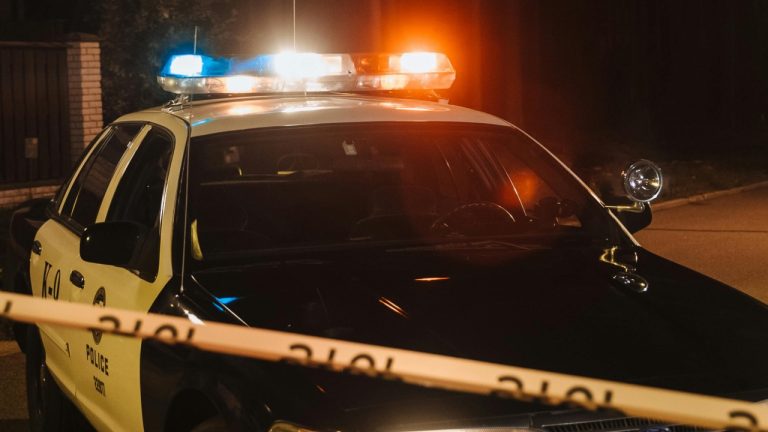
In early 2025, officers converged on a group of five hunters active in the area. Guernsey County Sheriff’s Office provided support, including drone surveillance overhead. Several people faced immediate stops while others were located later in Ohio and Michigan.
Coordination across agencies made the operation run smoothly. Suspects came from different states, which added layers to the follow-up work. The effort demonstrated how local and state resources combine effectively when wildlife laws are at stake.
Charges and Court Outcomes
The 11 individuals faced counts including jacklighting, hunting with motor vehicle assistance, failing to wear hunter orange in season, and not game-checking deer properly. Courts in Licking, Muskingum, and Cambridge handled the cases. Fines, restitution, probation, house arrest, and lost hunting privileges followed for many.
Michigan residents like James Barrett, 28, of Harrison Township received notable penalties, including jail time and monitoring. Others such as Todd Brown, 51, of Atlanta, and members of the Laurain family from Sterling Heights also faced convictions. The outcomes varied by county but emphasized accountability for crossing lines to break rules.
Names and Backgrounds Involved
Michigan defendants included Barrett, Brown, Paul Laurain (42) and James Laurain (71) of Sterling Heights, and Jonathan Ricker, 51, of Washington Township. The rest came from Ohio, Illinois, and West Virginia. Their travels targeted southeast Ohio counties known for good deer habitat.
Many had hunted together before, forming a loose network that relied on nighttime tactics. The multi-state aspect required extra coordination between wildlife agencies. Records now reflect these violations, affecting future licensing in participating Interstate Wildlife Violator Compact states.
Why These Rules Matter for Everyone
Deer populations need careful management so herds stay healthy year after year. Illegal nighttime hunting disrupts natural patterns and can reduce numbers faster than regulated seasons allow. Proper tagging and checking help biologists track harvests accurately.
When groups ignore limits, it affects honest hunters who follow seasons and bag limits. Your license fees and conservation efforts support the same wildlife these actions harm. Strong enforcement keeps the playing field level and ensures resources last.
Lessons for Hunters in the Field
Pay attention to local regulations whenever you travel to hunt. Different states have their own requirements for tags, orange clothing, and legal hours. Planning ahead avoids accidental slips that turn into bigger problems.
Respect for the resource goes beyond your own trip. Sharing woods with others means everyone benefits when laws are followed. Simple steps like checking your gear and knowing boundaries make a difference in preserving access for all.
The Role of Public Tips
Those initial calls from concerned people set the entire case in motion. Wildlife officers rely on reports from the public to spot patterns that might otherwise go unnoticed. The Turn in a Poacher hotline provides an anonymous way to share information.
Your observations in the woods or at check stations can help protect areas you enjoy. Agencies follow through on credible leads, as this investigation proves. Staying alert without interfering directly supports the system that keeps wildlife sustainable.
This operation closed one network, but the work continues to maintain balance in Ohio’s outdoors.

Asher was raised in the woods and on the water, and it shows. He’s logged more hours behind a rifle and under a heavy pack than most men twice his age.