US Fish and Wildlife officer helps rescue missing seven-year-old boy from Florida river during National Police Week
A family paddleboarding outing on a Florida river turned into a frantic search for a missing seven-year-old boy, then into a story of quick thinking and interagency teamwork. During the same week that law enforcement across the United States was being honored for National Police Week, a U.S. Fish and Wildlife officer joined local deputies to find the child alive in the water and help bring him to safety.
The boy’s disappearance and rescue underscore how quickly danger can unfold on the water and highlight the quiet, high-stakes work of officers whose jobs rarely draw national attention.
What happened
The incident began as a family trip on the Suwannee River in Florida, where relatives took a paddleboard out on the water with a seven-year-old boy. At some point during the outing, the child became separated from the board and from his family. When relatives realized they could no longer see him, they called for help and reported him missing.
Local authorities launched a search along the river, treating the call as a possible drowning. Deputies and other responders moved quickly to cover both the shoreline and the water, knowing that the first minutes after a child disappears in a river can make the difference between a rescue and a recovery.
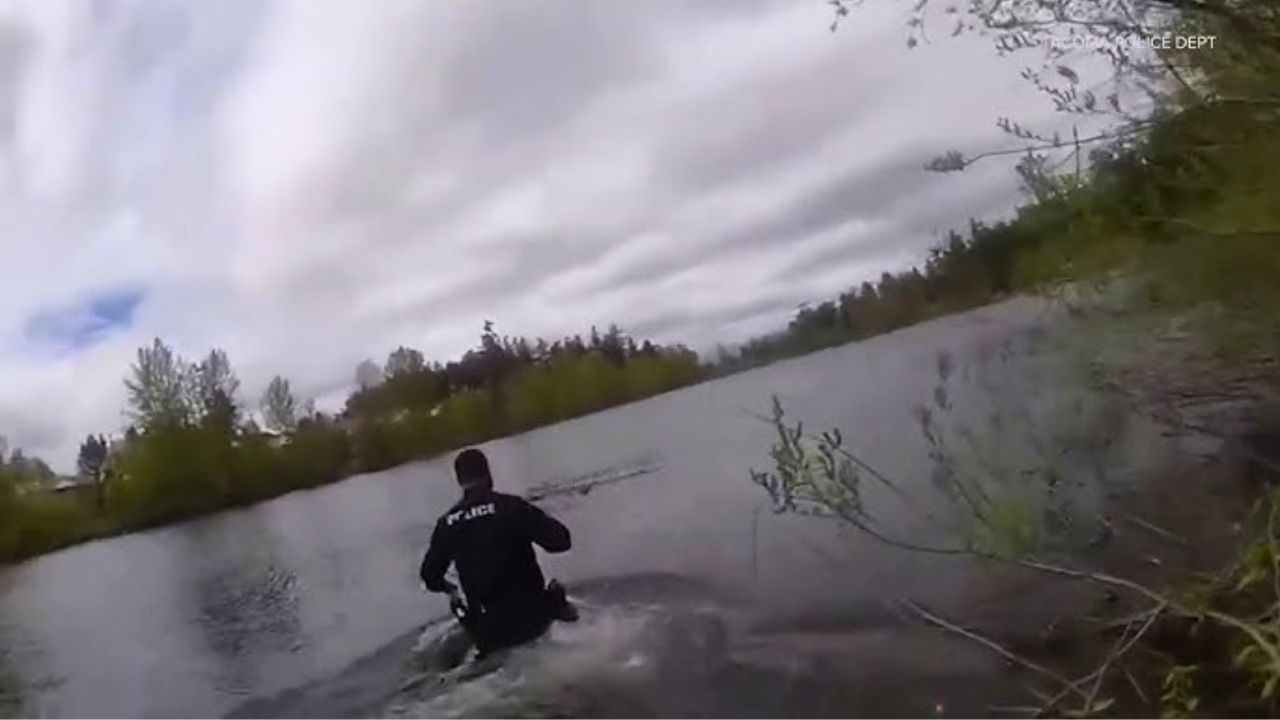
Among those who responded was a U.S. Fish and Wildlife officer who was already in the area. While sheriff’s deputies coordinated the broader effort, the federal officer used a boat to move along the Suwannee, scanning for any sign of the child. Searchers knew they were working against a moving current, changing depths, and the possibility that the boy might not be able to keep himself afloat for long.
According to reporting on the case, the boy was eventually spotted in the river without his paddleboard. He had drifted away from the original launch point, carried downstream by the current. The U.S. Fish and Wildlife officer moved in and helped pull the child from the water, working with other responders to get him on board and check his condition.
The seven-year-old was found alive and described as safe after the rescue. While he was evaluated after being brought to shore, authorities did not report serious injuries. The family’s ordeal, which had begun as a routine day on the river, ended with relief instead of tragedy thanks to the coordinated response and the officer’s actions on the water, as described in coverage of the missing paddleboarder.
Officials used the case to remind the public how quickly conditions can change on a river like the Suwannee. Even on a calm day, a child who falls from a board or boat can drift out of reach in moments, and visibility can drop sharply around bends, under low branches, or in areas where the river narrows.
Why it matters
The rescue drew attention in part because it unfolded during National Police Week, a period when agencies across the country recognize officers who have died in the line of duty and highlight ongoing public safety work. The timing underscored how routine patrols and everyday calls can suddenly become life-or-death situations.
For many people, the U.S. Fish and Wildlife Service is associated more with conservation policy and protected lands than with emergency response. In reality, officers from that agency regularly work alongside local law enforcement on rivers, lakes, and coastal areas. They patrol for illegal hunting and fishing, but they also respond to missing boaters, stranded kayakers, and other water emergencies when they are closest to the scene.
The Suwannee River case shows how that shared responsibility plays out in practice. The sheriff’s office had jurisdiction over the missing child report and led the response, yet the Fish and Wildlife officer’s presence on the water gave the team a critical advantage. With a boat already in motion and training in both law enforcement and outdoor conditions, the officer could search stretches of river that would have taken ground units far longer to reach.
Child drownings remain a persistent risk in Florida, which has an extensive network of rivers, springs, and coastal waterways that attract families year round. Safety campaigns often focus on pools, but open water presents different hazards. Currents can be deceptive, water temperatures can sap a child’s strength, and distances that look short from shore can be exhausting to swim.
The boy in this case had been on a paddleboard, a popular activity that can give children a sense of independence on the water. That same independence can become a vulnerability if a child slips off the board, loses a paddle, or panics. Even a brief lapse in adult supervision, or a moment when a parent looks away to adjust gear or help another child, can be enough for a young rider to drift out of reach.
The rescue also illustrates the growing reliance on interagency cooperation in outdoor recreation areas. On rivers like the Suwannee, multiple agencies often share responsibility, including county sheriffs, state wildlife officers, federal conservation officers, and sometimes park rangers. When a child is missing, the most effective response is usually the one that treats those jurisdictional lines as secondary to the immediate goal of finding the person in the water.
National Police Week often focuses on urban policing, large departments, and high-profile incidents. Stories like this one provide a different lens on public safety work. The officer involved did not respond to a crime scene or a major disaster. Instead, the call was a family outing gone wrong, the kind of event that rarely makes national headlines but that can leave a permanent mark on everyone involved.
For the family, the rescue turned what could have been a lifelong trauma into a reminder of how quickly help can arrive when agencies are prepared and coordinated. For officers, it reinforced the value of training for low-frequency, high-consequence events, such as a single missing child in a large, moving body of water.
What to watch next
In the aftermath of the rescue, local officials signaled that they would continue to emphasize water safety on the Suwannee River and similar recreation spots. That effort typically includes public education on life jacket use, guidance on keeping children within arm’s reach on the water, and reminders about monitoring weather and current conditions before launching paddleboards or kayaks.
Parents and guardians who plan river outings with children are likely to see renewed messaging about basic precautions. Those include properly fitted personal flotation devices, clear rules about how far a child can travel from an adult, and plans for what to do if someone falls in or becomes separated from a board. Simple steps such as teaching children to stay with a capsized board and to shout for help can buy precious time in an emergency.
Agencies that patrol rivers and lakes may also review how they coordinate across jurisdictions. The Suwannee case showed the value of having officers from different departments share communication channels and training so that whoever is closest can respond immediately. Future joint exercises could focus on missing-child scenarios in moving water, where search patterns and decision-making differ from static environments like ponds or pools.
Technology is another area to watch. Some families and outfitters have begun experimenting with GPS-enabled wearables for children on the water, such as waterproof trackers or smartwatches that can send location data if a child drifts out of sight. While no device can replace active supervision, tools that speed up the initial search might give rescuers a better chance of reaching a child before fatigue or current turn a survivable incident into a fatal one.
For the U.S. Fish and Wildlife Service, the rescue may feed into broader conversations about staffing and patrol coverage on busy recreation corridors. As more people take up paddleboarding, tubing, and kayaking, demand for officers who understand both law enforcement and river dynamics is likely to grow. The Suwannee River episode offers a concrete example of how those skills intersect in the field.

Leo’s been tracking game and tuning gear since he could stand upright. He’s sharp, driven, and knows how to keep things running when conditions turn.