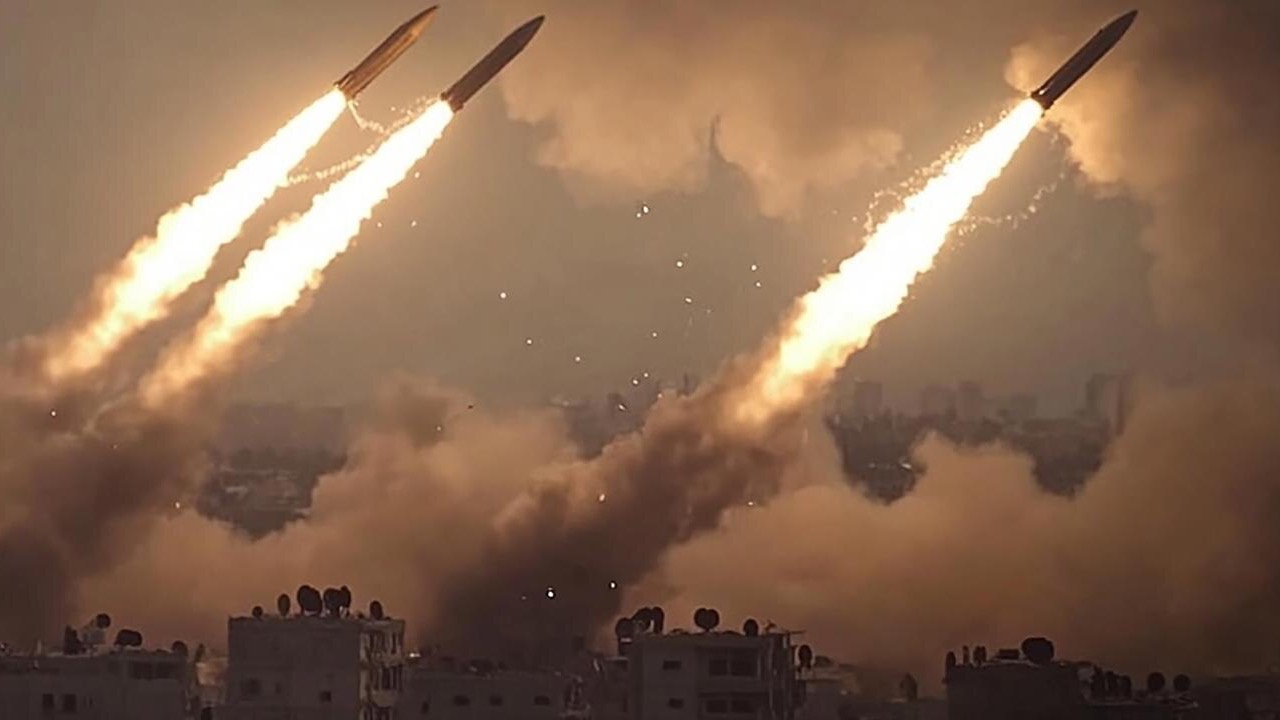
US military launches fresh strikes on Iran as Trump claims Tehran is ‘negotiating on fumes’
Tensions in the Middle East have escalated again with new American military action against Iranian targets. You watch as the fragile ceasefire faces immediate tests, even while diplomats try to shape a longer-term agreement. President Trump has described Iran’s position as weakened, using sharp language to frame the ongoing talks. These developments come after weeks of careful maneuvering following earlier clashes that disrupted shipping and raised oil prices worldwide.
The latest strikes and their context
American forces hit a ground control station in Bandar Abbas and took down Iranian drones over the Strait of Hormuz. Officials described the moves as necessary self-defense after observing threats to U.S. personnel and vessels. You notice how these actions fit into a pattern of measured responses rather than all-out escalation. The Pentagon emphasized restraint while protecting its interests in the region.
Iran quickly condemned the operation and launched its own missile toward a U.S. base in retaliation. This back-and-forth highlights the thin line both sides walk as negotiations continue. The exchanges risk undermining progress made in recent weeks toward stabilizing the area.
Trump’s assessment during the cabinet meeting
You hear President Trump tell his cabinet that Iran has lost significant military capacity and now approaches talks from a position of strain. He pointed to damaged naval and air assets as reasons why Tehran might feel pressure to settle. His comments came amid discussions about extending the ceasefire and addressing broader security concerns.
The president left open the possibility of further action if needed, while signaling openness to a deal. This mix of firmness and flexibility shapes how Washington presents its strategy publicly. Observers track whether such statements help or hinder the diplomats working behind the scenes.
Iran’s response and the fragile ceasefire
Tehran accused the United States of violating the truce and vowed to defend its territory. You see Iranian officials frame their counterstrikes as justified reactions to American aggression. Despite the rhetoric, both governments appear interested in keeping channels open for talks in places like Qatar.
The ceasefire, now several weeks old, has already faced multiple tests. Each incident raises questions about how long the pause can hold without a more comprehensive agreement. Regional players monitor these developments closely for signs of wider instability.
Effects on ongoing diplomatic efforts
Negotiators continue working on details that include reopening key waterways and addressing nuclear issues. You recognize that fresh military episodes complicate their task by fueling mistrust on both sides. Secretary of State Marco Rubio has noted that talks remain active despite the setbacks.
Progress depends on finding common ground on security guarantees and economic matters. The Trump administration insists it will not rush into an incomplete arrangement. This approach reflects lessons from past dealings with Iran and aims for a more lasting outcome.
Broader implications for the region and beyond
Oil markets reacted with renewed volatility as traders weighed the risk of prolonged disruption in the Strait of Hormuz. You follow how these events affect global energy supplies and shipping routes. Neighboring countries express concern about spillover from any renewed fighting.
Longer term, the situation influences alliances and security arrangements across the Middle East. Analysts watch for shifts in how different powers engage with both Washington and Tehran. The coming days will reveal whether the latest strikes push parties closer to compromise or pull them farther apart.

Asher was raised in the woods and on the water, and it shows. He’s logged more hours behind a rifle and under a heavy pack than most men twice his age.