US Navy Operations in Arabian Sea Escalate as Blockade Against Iran Intensifies
Tensions in the waters off Iran have reached a new level in recent weeks. You see American warships patrolling key routes in the Arabian Sea and near the Strait of Hormuz as part of a formal naval blockade that began in mid-April 2026. This operation follows stalled talks and ongoing conflict, with U.S. forces working to restrict maritime traffic to and from Iranian ports. The moves reflect long-standing efforts to limit Iran’s oil exports and influence its actions in the region.
Naval assets from multiple carrier strike groups now operate across these waters, creating a visible show of presence. The effort involves thousands of personnel and aims to enforce restrictions without fully closing international shipping lanes for non-Iranian traffic.
Naval Assets Positioned in the Region
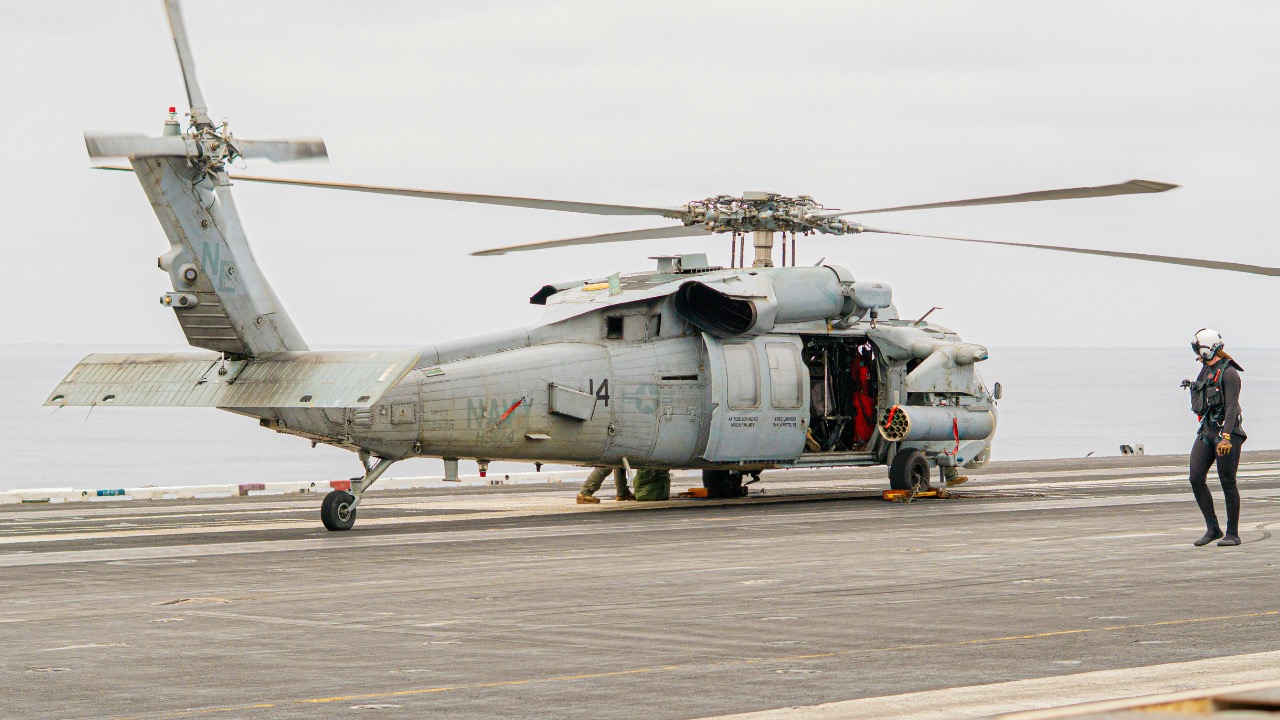
American destroyers and support vessels maintain positions that allow close monitoring of vessels approaching Iranian coastal areas. You encounter reports of guided-missile ships and aircraft conducting patrols that cover wide stretches of the Arabian Sea. These operations rely on coordination between surface ships, patrol aircraft, and command centers ashore. Crews stay alert for any attempts to move cargo in or out of restricted zones.
The setup includes carrier-based aircraft that provide additional eyes over the horizon. Daily activity focuses on identification and communication with commercial ships rather than immediate confrontation in most cases. This layered approach helps manage the flow while keeping forces ready for unexpected developments.
Daily Enforcement and Ship Interceptions
When ships head toward Iranian ports, U.S. forces typically issue radio warnings first. You read accounts of vessels turning around after contact, avoiding escalation in many instances. Over the initial weeks, dozens of commercial ships have changed course following these interactions. The process emphasizes compliance over force when possible.
In rarer cases, persistent attempts to breach the lines have led to disabling fire and boarding actions by Marines. One notable incident involved an Iranian-flagged vessel that was stopped after warnings went unheeded. Such events highlight the seriousness of the restrictions while crews work to limit broader disruption.
Effects on Oil and Trade Routes
The blockade directly pressures Iran’s ability to move oil through its southern ports. You notice how global energy markets react to reduced exports from the region. Shipping companies adjust routes and schedules, adding costs and delays for goods that once passed through these waters more freely. Insurance rates for nearby passages have climbed accordingly.
Local economies tied to maritime activity feel the strain as well. Ports in the Gulf see quieter operations, and crews on tankers face longer waits or rerouting. The situation continues to evolve, with some vessels still finding paths around the measures through careful navigation and timing.
Iran’s Countermeasures and Regional Reactions
Iran has responded by seizing certain foreign ships and issuing its own warnings about passage through the Strait of Hormuz. You follow statements from Iranian officials that describe the U.S. actions as aggressive and illegal. Their forces conduct patrols and claim authority over parts of the waterway in return.
Neighboring countries watch developments closely, balancing their own security needs with trade concerns. Some Gulf states quietly support efforts to contain Iran while others call for de-escalation to protect economic stability. The back-and-forth keeps the area on edge.
Strategic Aims and Broader Implications
The operation seeks to limit resources available for Iran’s military activities and nuclear program. You consider how sustained pressure might influence future negotiations or force changes in behavior. U.S. commanders describe the blockade as impartial and focused only on Iran-linked traffic.
Longer term, the presence of so many warships raises questions about endurance and potential for miscalculation. Analysts track how this fits into wider efforts to maintain stability in vital shipping corridors. The coming months will test whether the approach leads to talks or further friction at sea.

Asher was raised in the woods and on the water, and it shows. He’s logged more hours behind a rifle and under a heavy pack than most men twice his age.