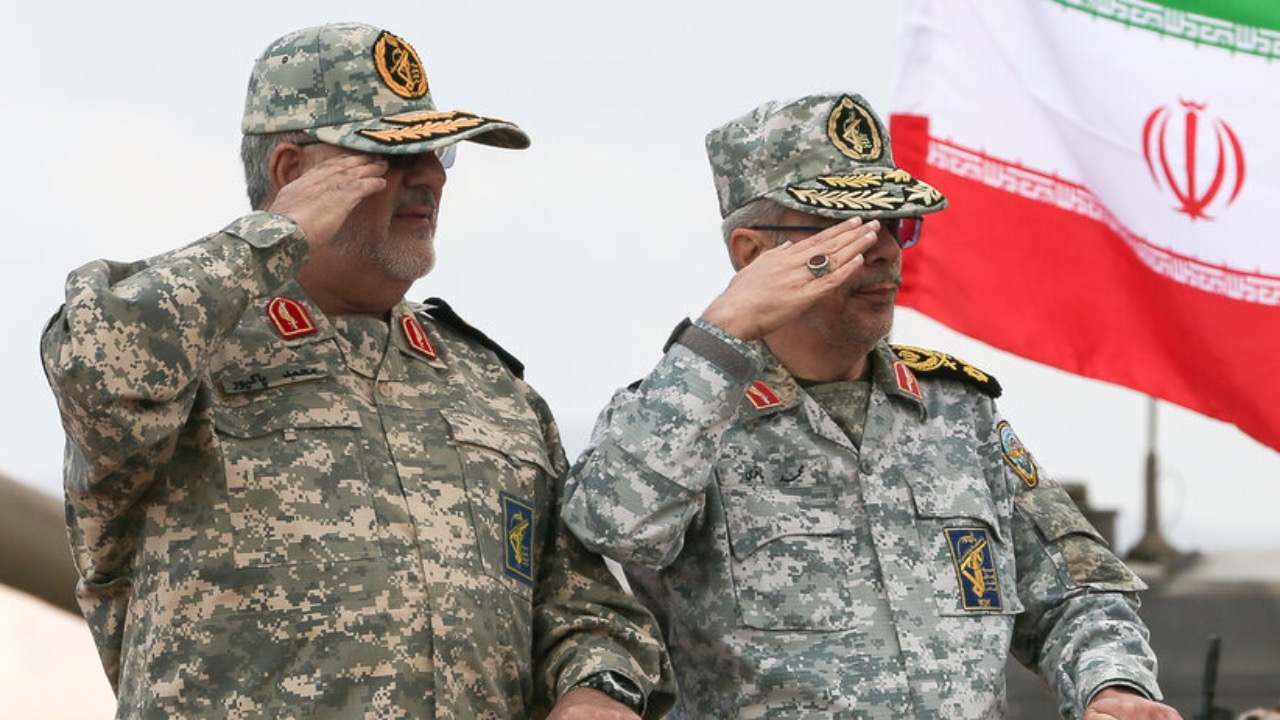
US offers $15m reward for information leading to disruption of Islamic Revolutionary Guard’s financial networks
The United States has put up a substantial reward through its Rewards for Justice program. Officials announced up to $15 million for details that could break apart the financial operations tied to Iran’s Islamic Revolutionary Guard Corps. This move fits into a longer pattern of economic pressure aimed at limiting the group’s ability to operate.
The IRGC stands as a central force in Iran’s power structure, handling military, economic, and regional influence activities. Its financial channels have long drawn scrutiny for supporting designated terrorist groups and evading international sanctions.
Background on the IRGC’s Role
Iran’s Islamic Revolutionary Guard Corps operates with significant autonomy inside the country. It oversees major economic sectors and maintains ties to various armed factions across the Middle East. These connections rely on steady funding streams that often bypass normal banking systems.
Over the years, the group has developed ways to move money despite heavy restrictions. This includes networks that handle oil sales, trade deals, and other transactions designed to generate revenue for its operations and allies.
How the Reward Program Works
The Rewards for Justice initiative has existed for decades as a tool to gather intelligence on security threats. In this case, it targets specifics like cryptocurrency accounts, front companies, and custodians involved in IRGC funding. Tips can be submitted securely through channels such as Signal or Tor-based lines.
Those who provide useful information might receive protection measures, including possible relocation. The program emphasizes verifiable details that lead to actual disruption of these financial setups.
Broader Context of U.S. Policy
American administrations from both parties have treated the IRGC as a key source of regional instability. Designations as a foreign terrorist organization have opened the door to wider sanctions and enforcement actions. This latest reward builds on existing efforts to track illicit flows.
Recent actions also include sanctions on related networks involved in technology procurement and oil transfers. The goal remains consistent: reduce the resources available for proxy activities and military development.
Potential Impact and Challenges
Disrupting these networks could limit the IRGC’s support for groups like Hezbollah and Hamas. Success depends on credible sources with access to internal operations or transaction records. Front companies and digital currencies make tracing difficult, requiring specialized expertise.
Still, past reward programs have yielded results in other areas by encouraging defections or insider reports. Officials hope this offer prompts similar cooperation from individuals familiar with the systems.
Implications for Regional Stability
The financial architecture of the IRGC extends influence through proxies and arms supplies. Cutting off revenue sources might alter dynamics in conflict zones where these groups operate. However, the Guard has shown resilience by adapting to pressure over time.
Analysts watch to see whether the reward produces actionable intelligence or mainly serves as a signaling tool in ongoing diplomatic tensions. The outcome will shape future enforcement strategies against similar entities.

Asher was raised in the woods and on the water, and it shows. He’s logged more hours behind a rifle and under a heavy pack than most men twice his age.