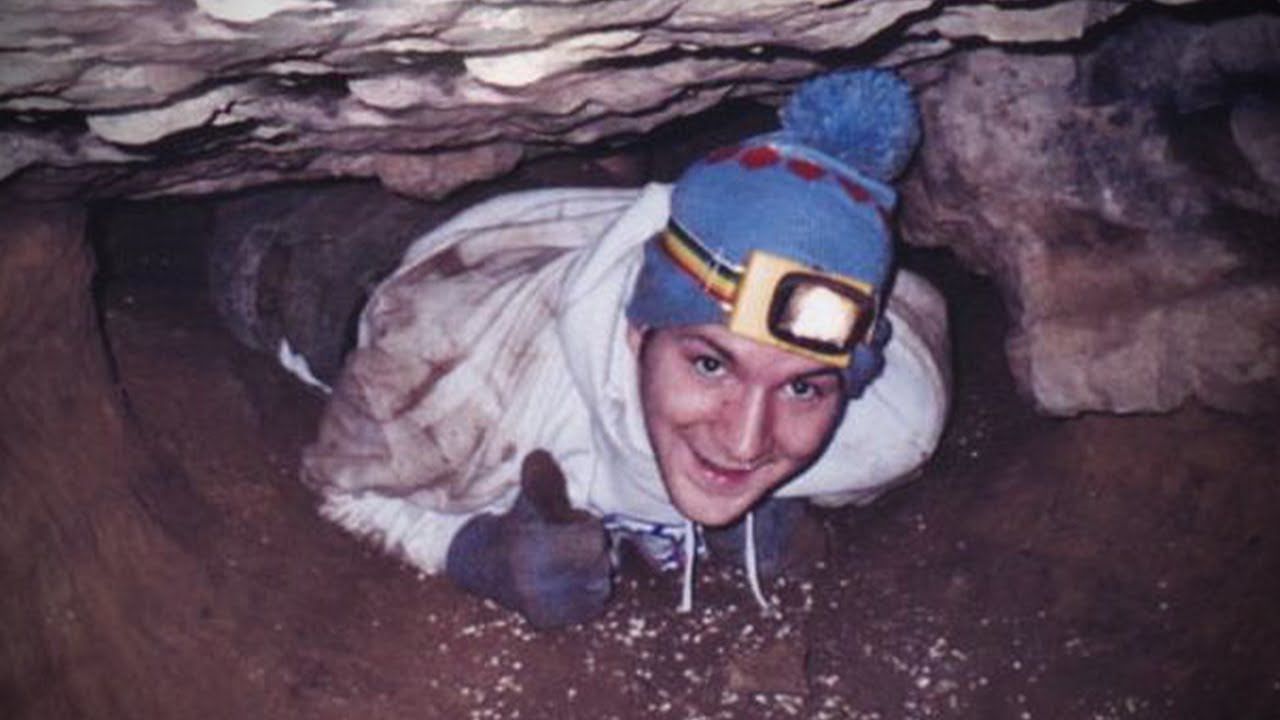
Utah cave sealed with man still inside – 16 years later visitor says ‘he’s alone out here’
The Nutty Putty Cave tragedy in Utah has never fully faded from public memory. Sixteen years after caver John Edward Jones became trapped and died underground, the sealed cavern and a new visitor’s haunting remark that “he’s alone out here” have revived questions about how a community lives with a grave it cannot see but can never quite leave behind.
The story now sits at the intersection of grief, ethics and storytelling. Families, rescuers and curious outsiders are still wrestling with what it means for a man’s body to remain entombed in a tourist cave, and what the renewed attention reveals about the way modern audiences consume real-life horror.
What happened
Nutty Putty Cave, a popular spelunking spot about 55 miles from Salt Lake City, was known for its tight passages and maze-like structure. On a family outing in 2009, 26-year-old medical student and father of one, John Edward Jones, entered the cave with relatives for what was meant to be a casual pre-Thanksgiving adventure. Deep inside the system, he tried to navigate a narrow chute that many believed to be the “Birth Canal,” a well-known squeeze that experienced cavers often attempted.
Instead, Jones ended up in a different, even tighter vertical passage. He became stuck headfirst, his body inverted and pinned by rock on all sides. Rescuers later described him as wedged at an angle that made both movement and circulation increasingly difficult. Over the next day, teams of specialists, volunteers and medical personnel cycled in and out of the cramped tunnel, attempting to free him using ropes, pulleys and improvised anchor systems that had to be drilled into the cave walls.
The effort involved more than 100 people and stretched through the night. At one point, rescuers managed to lift Jones several inches, offering a brief surge of hope. But the rock, the angle of his body and the limited space for equipment worked against them. A key anchor point failed, dropping him back into an even worse position. After hours of being suspended upside down, his heart and lungs could no longer compensate for the strain.
Jones died in place, still trapped in the rock. Recovery teams quickly concluded that bringing his body out would be too dangerous for surviving rescuers and could trigger further collapses in the fragile passage. Authorities made the rare decision to leave his remains where they were and permanently seal the cave. Concrete was poured into the entrance, turning a once-busy recreational site into a tomb. The closure ended public access but did not resolve the emotional fallout for those who had tried to save him, or for the family that had to accept a loved one buried in stone instead of soil.
For Jones’s relatives and the cavers who responded that night, the site remains a source of unresolved anguish. Some rescuers have spoken of recurring nightmares and a lingering sense that they abandoned someone they had promised to bring home, a burden that continues to shape how they talk about the incident and about cave safety more broadly, as described in reflections on the Nutty Putty Cave.
Why it matters
The decision to entomb Jones in Nutty Putty Cave transformed a recreational site into a permanent memorial and a source of moral debate. On one side is the safety calculus: removing his body was judged too risky, and sealing the entrance prevented future accidents in a cave already known for tight squeezes and past rescues. On the other is the human need for closure. Many families rely on funerals, gravesites and rituals to process loss, and Jones’s relatives had to build those rituals without ever recovering his remains.
That tension helps explain why the sealed cave still draws attention. Visitors who approach the concrete plug in the hillside describe a stark contrast between the quiet landscape and the knowledge that a man lies just beyond reach. When one recent visitor remarked that “he’s alone out here,” the comment captured a wider unease about how modern society handles places where tragedy and recreation collide. The cave is not a cemetery in any formal sense, yet it functions as one, inviting questions about respect, trespass and remembrance.
The story also matters because it has become part of a broader conversation about risk and adventure tourism. Nutty Putty was once promoted as a family-friendly outing, yet its tight passages demanded skills and caution that casual visitors did not always possess. Jones was experienced and physically fit, which undercuts the comforting belief that only the reckless get into trouble underground. His death prompted authorities to reconsider how such sites are managed and how clearly they communicate the dangers of confined spaces.
At the same time, the tragedy has been pulled into the orbit of entertainment. Filmmakers have dramatized Jones’s final hours, turning a real family’s worst day into narrative suspense. A recent production revisits the events in Utah, using the cave setting and the rescue timeline as the backbone of a survival thriller that aims to balance accuracy with dramatic tension, as described in coverage of a film about Nutty.
This shift from news event to pop culture subject raises ethical questions. Some viewers see such films as a way to keep Jones’s memory alive and to highlight the risks of caving to a wider audience. Others worry about turning a specific, deeply personal loss into a spectacle for streaming platforms and late-night viewing. For the rescuers and relatives who still struggle with guilt and grief, each new dramatization can reopen wounds they have spent years trying to close.
The ongoing fascination with the case also speaks to a broader cultural interest in places that are both ordinary and haunted. Nutty Putty is not a distant battlefield or a historic disaster site. It is a patch of Utah desert that once hosted scout troops and amateur explorers. The idea that a family outing ended in a permanent entombment just below the surface challenges assumptions about control, safety and the ability to engineer our way out of danger.
What to watch next
Attention on Nutty Putty Cave is unlikely to fade, especially as new generations encounter the story through films, podcasts and online forums. One key question is how future storytellers will handle the balance between accuracy and empathy. Projects that foreground Jones’s life, his family and the emotional toll on rescuers may help audiences see the tragedy as more than a claustrophobic set piece. Productions that focus primarily on suspense risk flattening a complex event into a simple horror scenario.
For land managers and caving organizations, the case remains a reference point in debates over access and closure. Nutty Putty’s permanent sealing is one of the most extreme responses to a recreational accident on public land. As more people seek adventure experiences in caves, canyons and abandoned mines, officials will continue to weigh the Nutty Putty precedent when deciding whether to restrict entry or invest in better signage, training and rescue infrastructure.
There is also the question of how the site itself is treated in the years ahead. Some argue that the hillside above the sealed entrance should be regarded informally as a memorial, with visitors encouraged to approach it with the same respect they would give a grave. Others suggest that drawing attention to the exact location risks turning it into a morbid attraction for thrill-seekers and social media content. That tension between remembrance and voyeurism is likely to persist as long as people can pinpoint the spot on maps and satellite imagery.
For Jones’s family and the rescuers who tried to save him, the future is less about policy and more about personal healing. Many have spent more than a decade processing their experiences, sharing their stories in carefully chosen settings and trying to prevent similar accidents through education. Their accounts of the long night in the cave, the technical challenges and the moment they realized he could not be freed continue to shape how new cavers are trained and how risk is discussed in the community.

Leo’s been tracking game and tuning gear since he could stand upright. He’s sharp, driven, and knows how to keep things running when conditions turn.