‘We’ve actually left their military alone’: Trump defends sparing Iran’s forces to avoid generational destruction
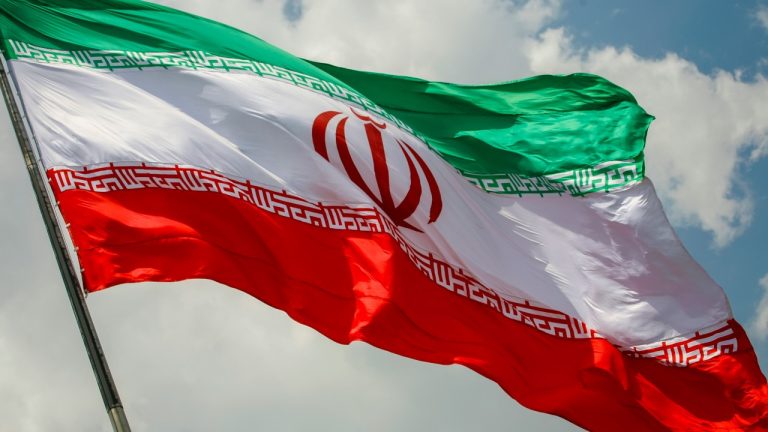
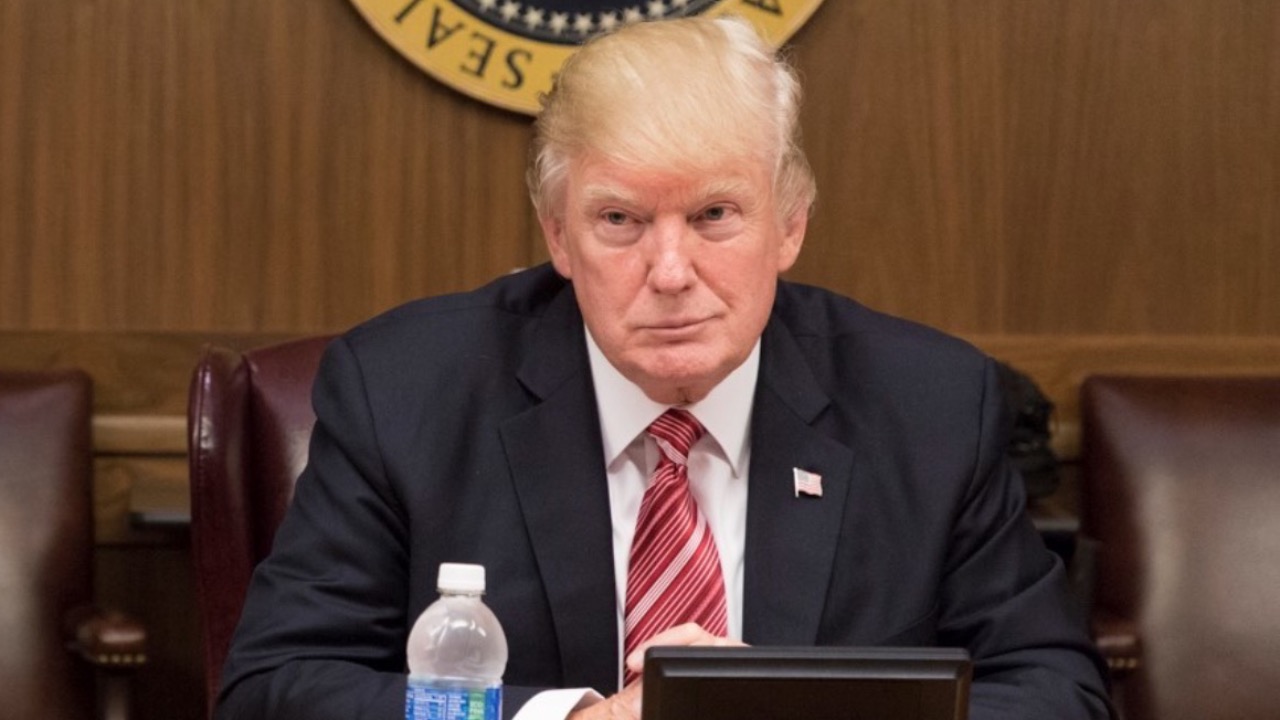
President Donald Trump has offered a detailed explanation of recent U.S. military actions against Iran, emphasizing a deliberate choice to preserve much of the country’s regular armed forces. In comments that surprised observers, he described how American strikes focused on specific targets while leaving broader military structures intact. This approach reflects a calculated effort to limit long-term damage and support potential stability in the region after the conflict.
The president’s remarks come amid ongoing talks about a possible agreement to end hostilities. Trump argued that completely dismantling Iran’s institutions could create problems lasting decades. His statements highlight a shift in how the administration discusses the results of the campaign, distinguishing between different elements of Iranian power.
Strategic Choices in Targeting
Trump pointed out that U.S. operations destroyed Iran’s navy and air force entirely. He described these branches as gone, with no remaining capacity according to his assessment. At the same time, he noted that the regular army received far less attention during the strikes.
This selective pressure aimed to neutralize immediate threats without erasing the entire defense establishment. Trump suggested that parts of the conventional military showed relative restraint compared with other regime elements. The decision appears rooted in concerns about what follows total collapse in a country of Iran’s size and complexity.
Drawing Lessons from Previous Wars
The president referenced past conflicts where removing every layer of authority led to prolonged instability. He mentioned examples where societies struggled for decades to recover after comprehensive destruction. Trump positioned the current strategy as an effort to avoid repeating those patterns in Iran.
By preserving some military capacity, the administration hopes to leave room for internal dynamics to play out differently. This thinking aligns with Trump’s broader view that certain institutions can serve as anchors during transitions. He stressed that leadership targets received priority while ground forces were largely left in place.
Views on Iran’s Military Establishment
Trump described elements within Iran’s regular military as somewhat moderate in comparison to harder-line factions. He indicated that U.S. actions removed certain leaders while sparing the broader force. This distinction formed a key part of his explanation for the measured approach.
Observers note that such characterizations remain subject to debate among analysts familiar with Iranian politics. The president’s comments suggest confidence that these forces could contribute to future stability rather than continued confrontation. He expressed the belief that total elimination would have created unnecessary obstacles to recovery.
Context of Ongoing Diplomacy
These statements arrive as discussions continue about potential agreements to reopen key waterways and address nuclear concerns. Trump has signaled willingness to pursue deals that prevent Iran from developing prohibited weapons. The sparing of military structures may factor into calculations about post-conflict arrangements.
The administration appears focused on achieving concrete security guarantees while avoiding indefinite entanglement. Trump’s framing underscores an interest in outcomes that allow Iran to function without descending into extended chaos. Negotiators on both sides continue working through the details of any final understanding.
Implications for Regional Stability
The approach reflects concerns about generational impacts from full-scale dismantling of state structures. Trump warned against creating conditions where recovery becomes nearly impossible for an extended period. This perspective shapes how the White House evaluates success beyond immediate battlefield results.
Analysts continue to examine how these choices will influence Iran’s internal power balance in the months ahead. The president’s public defense of the strategy highlights an attempt to balance decisive action with longer-term considerations about what kind of Iran emerges from the current period.

Asher was raised in the woods and on the water, and it shows. He’s logged more hours behind a rifle and under a heavy pack than most men twice his age.