UK, France, Germany and Italy poised to lift Iran sanctions after US peace deal
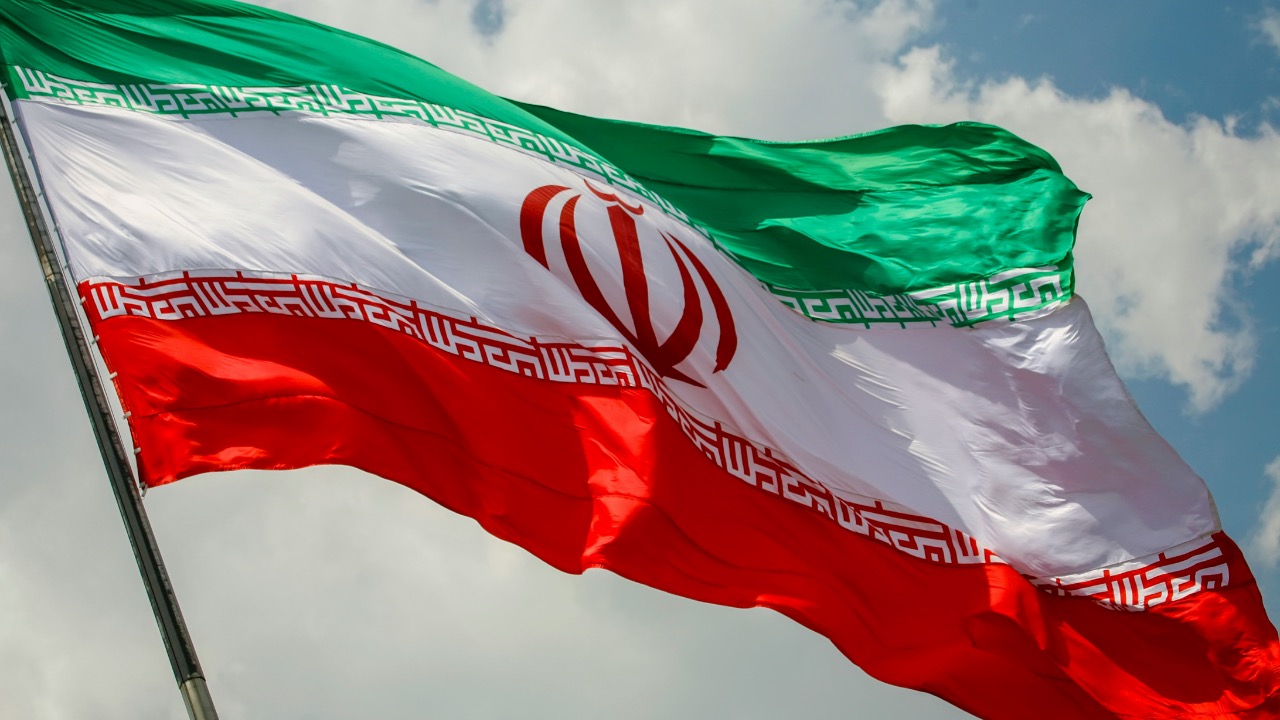
A major diplomatic opening has emerged in the wake of the recent US-Iran peace agreement. Leaders from the United Kingdom, France, Germany, and Italy have jointly indicated their readiness to ease sanctions on Iran, provided Tehran takes concrete actions on its nuclear activities. This development marks a notable realignment among key Western allies as they respond to the fragile truce that ended months of conflict in the region.
The move comes amid broader efforts to stabilize global energy flows and reduce tensions that have disrupted markets and heightened security risks worldwide. Observers see it as an attempt to build on the momentum from the US-brokered understanding while maintaining pressure for verifiable compliance.
European Alignment with the Peace Framework
The four nations, often referred to as the E4, released a coordinated statement welcoming the US-Iran memorandum of understanding. They emphasized the potential for lifting relevant sanctions tied directly to progress on Iran’s nuclear program, framing it as a pathway toward lasting de-escalation.
This coordinated position reflects a shared interest in restoring stability across the Middle East. By linking sanctions relief to specific steps, the Europeans aim to encourage Iran toward restraint while avoiding any premature concessions that could undermine international oversight.
Nuclear Safeguards at the Center of Discussions
At the heart of the announcement lies a firm commitment that Iran must never develop nuclear weapons. The leaders pledged ongoing collaboration with the United States, Iran, and the International Atomic Energy Agency to monitor and support this goal through clear verification measures.
Such safeguards represent a critical test for the broader agreement. European officials appear focused on ensuring that any sanctions relief serves as an incentive for genuine compliance rather than a reward for temporary pauses in troubling activities.
Potential Economic and Energy Market Effects
Lifting sanctions could open doors for increased trade and investment involving Iran, particularly in the energy sector. With the Strait of Hormuz now poised for unrestricted navigation, global oil supplies stand to benefit from reduced disruptions that have affected prices in recent months.
For businesses and consumers, this shift carries implications for everything from fuel costs to supply chain reliability. European countries, with their own economic stakes in regional stability, see an opportunity to contribute to calmer markets while advancing their diplomatic objectives.
Challenges and Verification Ahead
Despite the optimistic tone, significant hurdles remain in implementing the deal. European leaders have stressed the need for rapid and comprehensive execution, with close attention to Iran’s actions on the ground. Doubts persist about long-term trust given the history of broken commitments in past negotiations.
You will likely see continued scrutiny from intelligence and diplomatic channels as parties work to translate the framework into tangible outcomes. Success will depend on sustained engagement and the ability to address concerns from other regional players who remain wary of Iran’s intentions.
Broader Implications for Regional Dynamics
This European stance could influence relations beyond the immediate US-Iran track, including interactions with other Gulf states and actors involved in recent conflicts. By signaling openness to sanctions relief, the E4 hope to foster an environment where diplomacy gains ground over confrontation.
The developments underscore how interconnected global security has become. As the situation evolves, the focus will stay on balancing incentives for peace with the firm guardrails needed to prevent future escalations.

Asher was raised in the woods and on the water, and it shows. He’s logged more hours behind a rifle and under a heavy pack than most men twice his age.