Why Smaller Adjustments Catch Bigger Fish
Big fish are rarely the result of big gimmicks. More often they come from a string of small, smart tweaks that line up what you are doing with what the fish are actually doing. Lure size, hook choice, retrieve speed, depth, even how often you lean on a spot, all add up.
When I talk about “smaller adjustments,” I mean trimming a bait an inch, dropping a hook size, slowing a retrieve, or sliding ten yards down a bank. Those little moves can turn a slow day into a heavy net, and the best evidence from serious anglers and fisheries science points in the same direction: fine tuning, not wholesale overhauls, is what consistently connects you with bigger fish.
Big-bait myths and what fish really respond to
Most of us grew up hearing that big baits catch big fish, and there is some truth to it, but it is not the whole story. Experienced bass anglers point out that fish react on instincts, not on some rule about inches of plastic. A realistic bait, presented in a realistic way in the right place, will outproduce a giant lure that looks wrong or moves wrong. When you watch how a big bass tracks a bluegill or shad in clear water, you can see it keying on vulnerability, not sheer size.
That is why some veteran anglers say their confidence comes from making a bait look like something a fish can easily kill, then putting it where a big one lives. One long time bass fisherman summed it up by saying it is his belief that the most realistic bait, fished correctly, has caught his largest fish over the last three years, and he has a saying that he never knows what size fish will bite, big or small, when he is dialed in on that realism, a point he made in a detailed forum post. That mindset shifts the focus from buying bigger hardware to making smaller, smarter adjustments to how you use what is already tied on.
Lure size matters, but not how you think
Size still matters, but not because fish are out there with tape measures. In one clip, an angler named Jan explains that lure size does matter, just not in the way most anglers think. Fish are not comparing baits, they are reacting to how fish are behaving right now and how vulnerable a meal looks in that moment. When They are pressured or feeding on tiny forage, a downsized bait can look like the only thing that makes sense.
On the flip side, a larger profile can help you filter out small bites when the big ones are actively hunting. A tackle shop breakdown of lure selection notes that larger lures can help in Attracting Larger Fish, but only when you match that size to the conditions and the mood of the fish. The key is not swinging from a 3 inch grub to a 10 inch swimbait at random, it is nudging your size up or down to line up with what the fish are already keyed in on.
Small hooks, big fish, and the power of finesse
Hook size is another place where anglers tend to overcompensate. A common beginner myth is that you cannot catch small fish with big hooks, or big fish with small hooks, but a Comments Section on Mar threads is full of people pointing out that Fly fishermen catch enormous fish on tiny little hooks. That is not theory, it is daily reality on trout rivers and stillwaters where size 18 and 20 hooks routinely stick fish that would dwarf a lot of bass.
The same thing shows up in carp and coarse fishing. In another Comments Section, an angler explains that Here in the UK they will regularly use size 10 barbless hooks for Carp that exceed 12 lb. That is a perfect example of a small adjustment, dropping hook size and wire diameter, that leads to better penetration and a more natural presentation, which in turn connects with bigger, warier fish that will not touch a clunky hook.
Why downsizing baits fools pressured giants
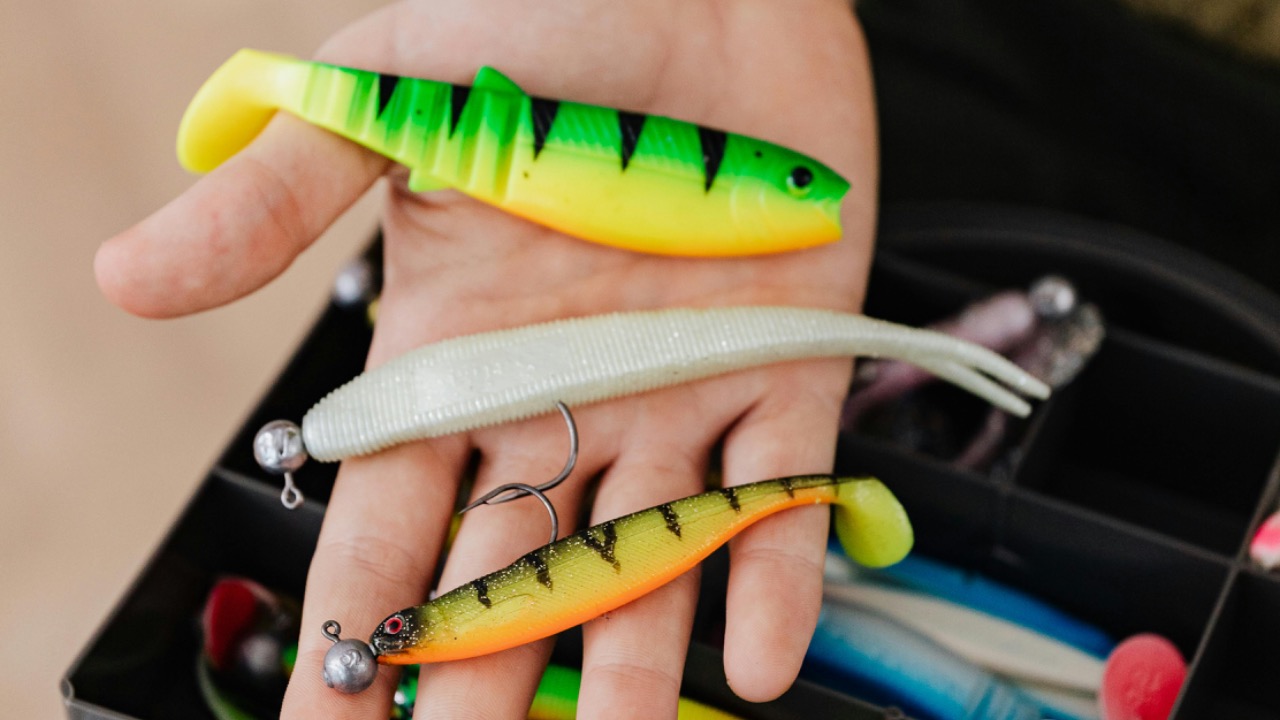
Pressured fish are a different animal, and this is where trimming down really shines. Inshore anglers have been hammering home that Downsizing soft plastics can be the key to fooling pressured snook, reds, and trout, especially when the water is clear and the fish have seen every full size paddle tail on the rack. Would you rather throw what everyone else is throwing, or shave an inch off and slide to a lighter jig head so your bait glides a little differently through the strike zone.
The same logic holds in freshwater. A Facebook discussion about catching bigger bass points out that Even a big bass will eat a small bait when their paths cross, and that Fly fisherman pull in some monster bass with tiny flies, a reminder shared in a busy Oct thread. When fish are skittish, shaving profile and weight is not a step backward, it is a surgical move that often connects you with the heaviest, smartest fish in the system.
Reading conditions and making micro-tweaks
Big fish are products of their environment, so your adjustments have to start with conditions. In a long bass discussion, one angler lays out how Weather, water clarity, and water temp all change how bass set up and whether they are hungry or lazy. Sometimes the fix is as small as switching to a smaller, slower moving bait around cover where they might hide, or backing off from being too shallow and too fast with your boat position and retrieve.
Those comments also hammer home that bigger bait can catch bigger fish, but that Small baits catch all fish, and that there are definitely exceptions to every rule. The anglers in that thread talk about fishing slow, then fishing even slower, and in summer going deep and working like a patient cat that waits until the moment. That is the heart of small adjustments: you are not reinventing your whole approach, you are nudging speed, depth, and profile in response to what the lake is telling you, instead of forcing one pattern all day.
Depth, pressure, and the invisible adjustments
Depth is one of the most overlooked “small” changes, even though it might be the biggest one. Fisheries educators point out that Using science to help you catch more fish starts with understanding that the most productive areas depend on a fish’s preferred water temperature and oxygen levels, especially in larger lakes and reservoirs, a point laid out in detail in a Using guide. Sliding your bait up or down a few feet to stay in that comfort band can matter more than any color change you make.
Fishing pressure is the other invisible factor that rewards subtlety. In a popular Arizona group, a post that opens with “Legends” asks How many times can you hit a spot before the fish are aware of your presence or cautious to hit your lure, and the replies describe how repeated casts and boat traffic quickly educate fish, especially in clear water, as laid out in that Dec thread. Sometimes the smartest move is not a new bait at all, it is resting a spot, sliding 10 m into the new section, or changing your casting angle so the fish see the same lure in a slightly different way.
Gear, strength, and fighting smarter not harder
There is a similar myth around heavy gear, that you need the strongest possible rod, reel, and line to land big fish. In a Comments Section about stronger tackle, one angler named TJB428 says that When you OP lake with gear you will get smaller and less fish, meaning that when your setup is wildly overpowered for the fish and lures you are using, you lose sensitivity and presentation quality. You might be able to horse a fish in, but you will not get as many to bite in the first place.
On the other hand, you do not need to swing to ultralight for everything. Big game specialists point out that Live bait is often a good choice for big fish, since they are attracted to the scent and movement of live prey, and that Artificial lures can also be effective when you match them to the species you are targeting, as explained in a detailed Live bait guide. The small adjustment here is picking the lightest line and most responsive rod that will still handle the cover and the fish you expect, so your bait moves naturally and you feel every tick.
Fine-tuning presentation: the pro-level small stuff
Once you have the right general setup, the real gains come from how you tune it. Tournament anglers talk constantly about how Little adjustments can make a big difference in catching more fish, and one breakdown from Watch Seaguar Pro Greg Vinson walks through the way he fine tunes crankbait action by changing line diameter, split ring size, and hook style to get a bait to run a foot deeper or wobble a touch tighter, as he explains in a detailed Little tweaks piece. None of those changes are dramatic on their own, but together they turn a generic plug into something that perfectly matches the shad in a given lake.
The same mindset applies to soft plastics and jigs. Another inshore tip video repeats that Downsizing soft plastics can be the key to fooling pressured fish, and that a tiny trim to the tail or a lighter jig head can change the fall rate enough to trigger bites. Those are the kinds of tweaks that separate someone who occasionally lucks into a big fish from someone who quietly stacks them up all season.
From the water to your wallet: why small changes scale up
The pattern that shows up in fishing shows up in the rest of life too. Financial planners talk about how Below a certain level of spending, small cuts feel pointless, but in reality small changes can have big results down the line, a point laid out in a guide on how to downsize expenses. That is the same logic as trimming a bait or slowing a retrieve: you are stacking small percentages in your favor until the outcome looks “lucky” from the outside.
On the water, that might mean pairing a realistic bait with the right depth band, in a less pressured section of the lake, on gear that is matched instead of overpowered, and then making one more cast at the right angle. Each move is minor, but together they put you in front of the heaviest fish in the system. Once you start thinking that way, you stop chasing magic bullets and start looking for the next small adjustment that will quietly tilt the odds your way.

Asher was raised in the woods and on the water, and it shows. He’s logged more hours behind a rifle and under a heavy pack than most men twice his age.