Wild animals showing up in places people don’t expect
From suburban cul-de-sacs to downtown high-rises, people are encountering wild animals in places that once felt safely human. Predators that used to haunt remote forests and deserts are padding across parking lots, trotting down sidewalks, and even slipping into homes. The surprise is real, but the pattern is not random: as human development reshapes land and climate pressures intensify, wildlife is adjusting faster than many communities are prepared for.
Researchers and local officials now describe a world where spotting a fox under a streetlamp or a coyote on the beach is no longer an anomaly but part of a broader shift in how animals navigate an increasingly urban planet.
Predators on the city grid
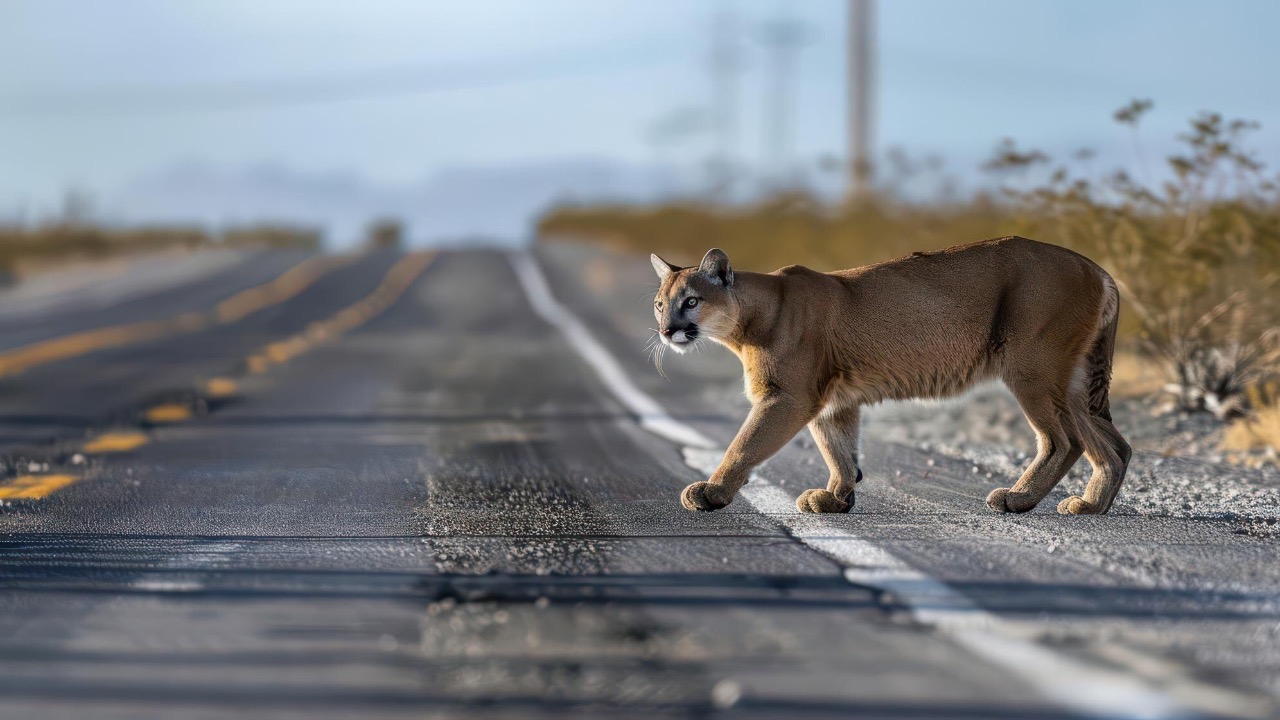
Few images capture this shift like large carnivores appearing against a skyline. In California, reports of cougars and coyotes weaving through traffic have become common enough that San Francisco officials describe a clear spike in encounters. Coverage of San Francisco Sees in wildlife sightings details how animals are not just passing through, but increasingly sharing space with joggers, dog walkers, and commuters.
Similar stories are emerging elsewhere. In Washington state, the Washington Department of has fielded numerous reports of a cougar calmly watching residents near a suburban neighborhood, a scene that once would have belonged deep in the woods. In Athens, researchers have warned of foxes moving through densely populated districts such as Kolonaki, with one analysis noting that Since the start of 2026, sightings have spread across several central areas as the animals expand their ranges in search of food.
These are not isolated curiosities. A broader report notes that As the evidence accumulates, squirrels, raccoons, foxes, badgers, and even coyotes now appear more often in cities than in their traditional habitats.
Why wildlife is moving in
The basic geography has changed. One community explainer on habitat loss points out that 95% of the planet’s land has been altered by cities, farms, roads, and other development, leaving only a small amount of untouched wilderness. As natural cover shrinks and fragments, animals that can adapt to noise, light, and concrete are pushed toward human neighborhoods.
Food is a powerful driver. Guidance on urban carnivores notes that Coyotes are attracted to neighborhoods by a mix of natural prey, garbage, pet food, and the perception that pets are easy prey. Wildlife specialists in Greece have linked the Athens fox surge to overflowing trash and outdoor feeding of stray animals, which create a reliable buffet for opportunistic predators. In San Francisco, officials describe coyotes and cougars learning to use green corridors, golf courses, and even freeway embankments as safe travel routes into the heart of the city.
Climate stress compounds the trend. A scientific analysis of conflict incidents found that Changes in wildlife conflict reports rise sharply during periods of drought, when animals roam farther for water and food. That pattern matches what residents see on the ground: thirsty animals at backyard pools or predators testing new hunting grounds at the urban edge.
From backyards to living rooms
For many households, the new frontier is not the street but the front door. Pest control experts warn that Key Takeaways from recent cases show wild animals entering homes through chimneys, roof vents, crawl spaces, and open windows or doors as they seek warmth, shelter, and food. Once inside, even small species can cause electrical damage, contamination, and costly repairs.
Coastal communities are facing their own version of the problem. On the Isle of Palms in South Carolina, Police urged residents to report every coyote sighting after an attack that killed a family dog, and advised people to make loud noise and appear large if they encounter an animal. At Mount Pisgah Arboretum in Oregon, staff have flagged that Wildlife sightings are routine, but 2026 brought coyotes behaving unusually, lingering in parking lots instead of staying on the trails.
Elsewhere, a review of urban incidents highlights Two Headline Encounters in late 2025 in Eagle Pass, where police warned that wild hogs were forcing residents into risky confrontations. The same analysis catalogs black bears wandering into suburbs, rummaging through trash cans or slipping into garages in search of food.
How big animals squeeze into human space
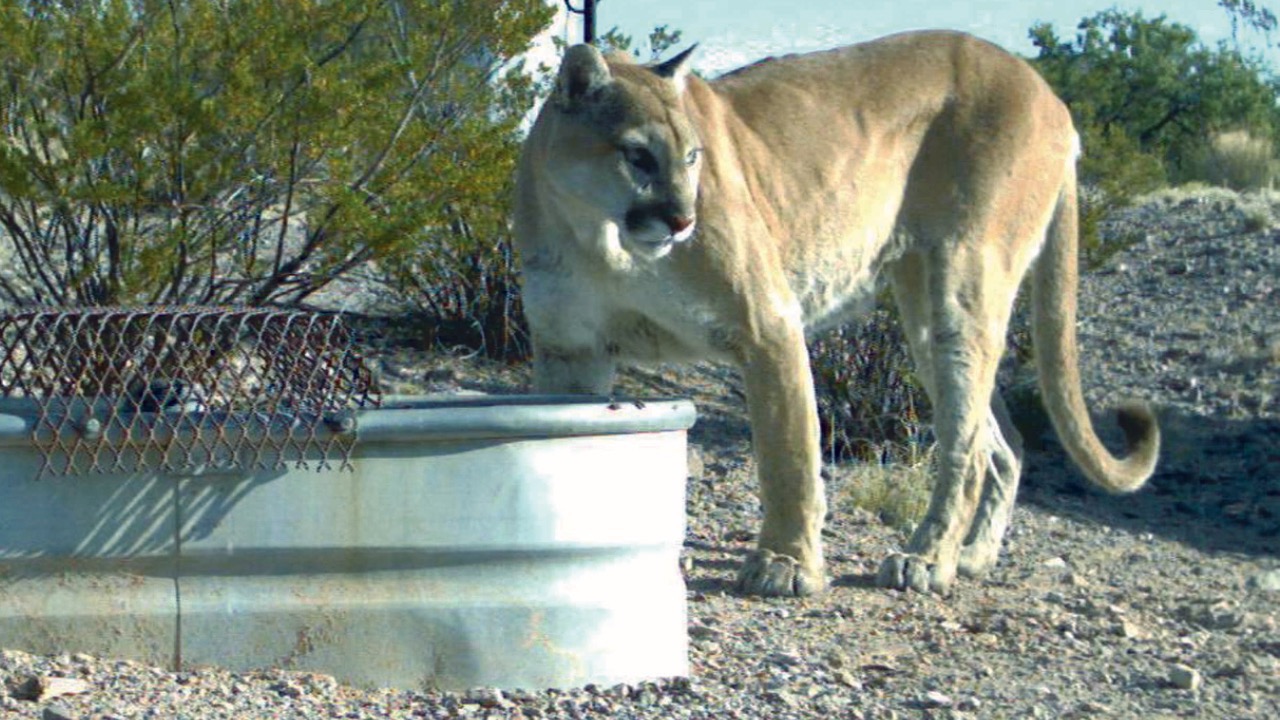
Large carnivores are also adapting in more subtle ways. Biologists tracking mountain lions have documented individuals using drainage culverts, railroad corridors, and narrow strips of vegetation to move between habitat fragments that are cut up by highways and subdivisions. A second body of research into cougar behavior suggests that some cats now hunt at slightly different hours to avoid peak human activity, which lets them live surprisingly close to neighborhoods without being noticed.
Similar flexibility appears in social predators. Studies of wolves show packs adjusting their territories around roads and farms, sometimes following deer that graze at the urban fringe. Other work on wolf populations points to a growing overlap between carnivore ranges and human infrastructure, especially where livestock and wild prey intermingle.
Medium sized predators have become the most visible pioneers. Urban coyotes now trot confidently down residential streets from Los Angeles to Chicago, and additional tracking of coyote movements shows them using parks, golf courses, and even cemeteries as quiet corridors through dense neighborhoods.

Asher was raised in the woods and on the water, and it shows. He’s logged more hours behind a rifle and under a heavy pack than most men twice his age.