Why hog populations are exploding across the U.S.
You don’t have to look hard to see what’s happening. Hogs are showing up in places that didn’t have them ten years ago, and in places that did, the numbers are climbing fast. Farmers feel it first, but hunters are seeing it too—more sign, more sounders, more damage.
This isn’t one cause you can point to. It’s a mix of biology, human behavior, and landscape changes all stacking up at once. Once hogs get established, they’re tough to slow down, let alone remove. Here’s why their numbers keep pushing higher across the country.
Their Reproduction Rate Is Hard to Keep Up With

Hogs don’t follow the same playbook as deer or elk. A sow can breed young, often within her first year, and she can produce multiple litters annually under the right conditions.
Each litter can carry several piglets, and survival rates are high when food is available. That means populations don’t grow gradually—they jump. Even with steady hunting pressure, you’re often removing a fraction of what’s being added each year. When you step back and look at the math, it’s clear why numbers keep trending upward.
Mild Winters Are Helping Them Expand North
Cold used to be a natural check on hog populations. Long winters, deep snow, and frozen ground made survival difficult, especially for young animals.
But winters in many regions aren’t what they used to be. Warmer conditions mean higher survival rates and longer breeding windows. Hogs are pushing farther north and holding ground where they once struggled. You’re seeing established populations in states that would’ve been considered marginal habitat not that long ago.
They’ll Eat Almost Anything They Can Find
Hogs aren’t picky. Roots, crops, insects, carrion—they’ll work over whatever’s available. That kind of diet keeps them going in a wide range of environments.
When one food source dries up, they shift without much trouble. Agricultural areas make it even easier, offering steady calories through crops like corn and soybeans. That flexibility gives them an edge over species that rely on more specific forage, and it helps explain how they thrive in such different parts of the country.
Lack of Natural Predators Keeps Numbers High
In most places, there’s nothing consistently knocking hog numbers down. Coyotes will take small piglets, and you might see occasional predation elsewhere, but it’s not enough to matter at a population level.
Adult hogs are large, tough, and capable of defending themselves. Without a strong predator presence, survival rates stay high. When you pair that with their reproductive output, it creates a situation where growth outpaces any natural control.
Human Relocation Has Spread Them Far and Wide
Hogs didn’t reach every corner of the country on their own. People moved them—sometimes for hunting opportunities, sometimes illegally, sometimes without thinking through the consequences.
Once released, it doesn’t take long for a small group to establish and expand. This has been one of the biggest drivers behind new populations popping up in unexpected places. It’s also one of the hardest problems to reverse, because once they’re on the ground, they’re there to stay.
Thick Cover and Remote Ground Give Them an Advantage
Hogs do well where they can stay hidden. Dense brush, river bottoms, swamps, and rough terrain all give them places to bed and move without much pressure.
Those areas are hard to hunt effectively and even harder to manage at scale. You might take a few animals out, but the rest slip into cover and keep going. As long as they have security and nearby food, they’ll hold tight and rebuild numbers quickly.
Hunting Pressure Alone Isn’t Enough
You can shoot a lot of hogs and still watch the population grow. That’s the reality in many regions. Recreational hunting removes individuals, but it rarely hits the level needed to reduce overall numbers.
In some cases, pressure can even scatter sounders, spreading hogs into new areas. Effective control often requires coordinated efforts—trapping, aerial removal, and sustained pressure across large areas. Without that, hunting by itself struggles to keep pace.
They Adapt Quickly to Pressure
Hogs learn fast. If you hunt them hard, they shift their movement. They go nocturnal, change travel routes, and avoid areas where they’ve been pressured.
That adaptability makes them harder to predict over time. What worked last season might not work this year. You’re dealing with an animal that responds quickly and adjusts its behavior to stay alive. That keeps them one step ahead in many situations.
Expanding Agriculture Gives Them More to Work With
Modern agriculture creates a steady food supply across large landscapes. Fields, irrigation, and leftover grain all support hog populations.
When you combine that with nearby cover, you’ve got ideal conditions. Hogs can feed at night and slip back into thick areas by daylight. That pattern lets them avoid people while still taking advantage of high-calorie food sources, which fuels population growth year after year.
You’re not dealing with a passing problem. Hogs are built to multiply, spread, and adapt, and the current landscape suits them well. Until control efforts match that reality, their numbers will keep climbing, and you’ll keep seeing more sign every season.

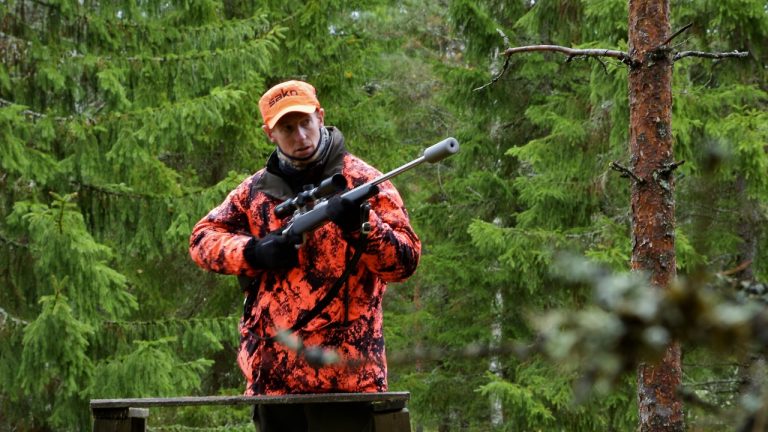
Asher was raised in the woods and on the water, and it shows. He’s logged more hours behind a rifle and under a heavy pack than most men twice his age.