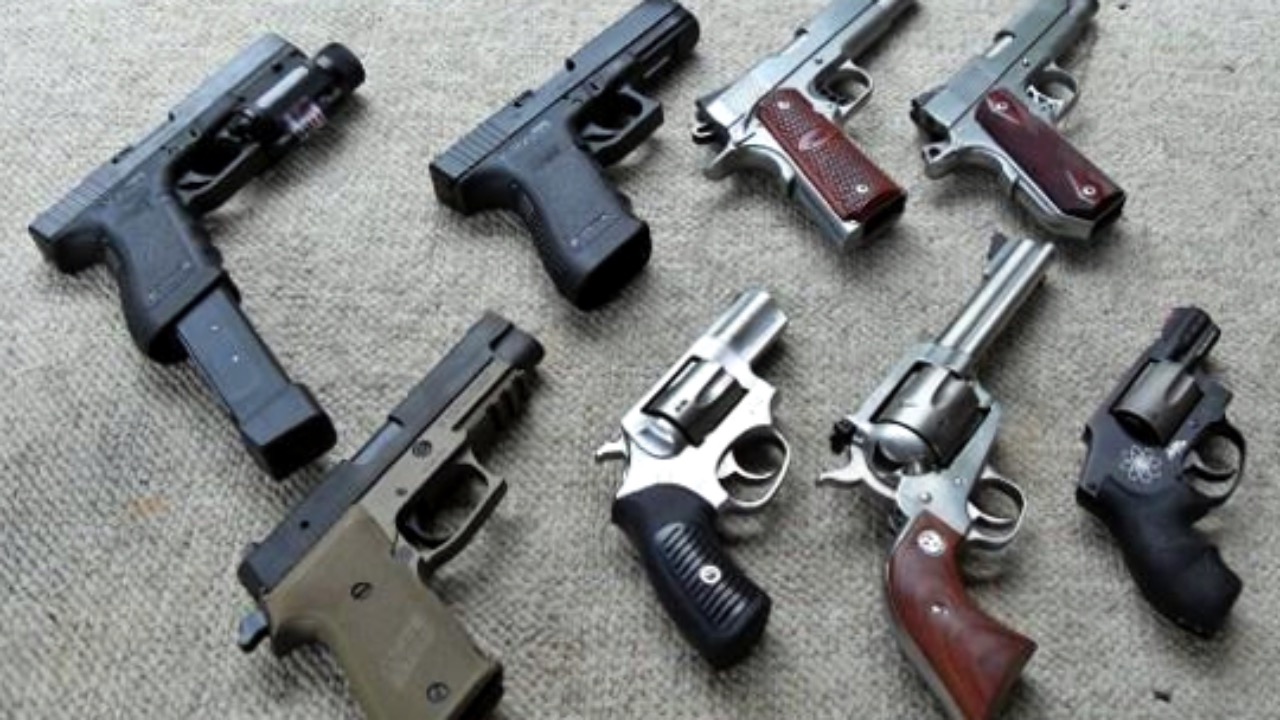
Why Many Preppers Stick With Six Proven Firearms Over New Designs
Across the prepper world, gear trends move fast, but firearm choices often do not. Many experienced planners quietly keep circling back to a familiar short list of six workhorse guns instead of chasing the latest design or exotic caliber. That preference is less about nostalgia and more about what keeps working when the power is out, the shelves are bare, and help is not coming.
Behind the marketing hype around new platforms, the same practical questions keep surfacing: which firearms can be trusted to fire when dirty, feed affordable ammunition, and cover defense, hunting, and daily carry with minimal complexity. For a lot of preppers, the answer is a small, proven stable of handguns, shotguns, and rifles that have already survived decades of hard use.
Why “universal” calibers and simple arsenals dominate prepper planning

Preppers who stick with six proven firearms are usually making an ammunition decision first and a hardware decision second. In many online discussions, voices like Nov argue that a survival plan has to start with what can actually be fed, stressing that uncommon calibers are harder to find when they are needed most and that it is smarter to stick with common sizes like 9 mm and .22. That logic matches broader preparedness advice that encourages owning three to four guns chambered in the most widespread rounds so that scrounging extra ammo remains realistic when regular supply chains fail.
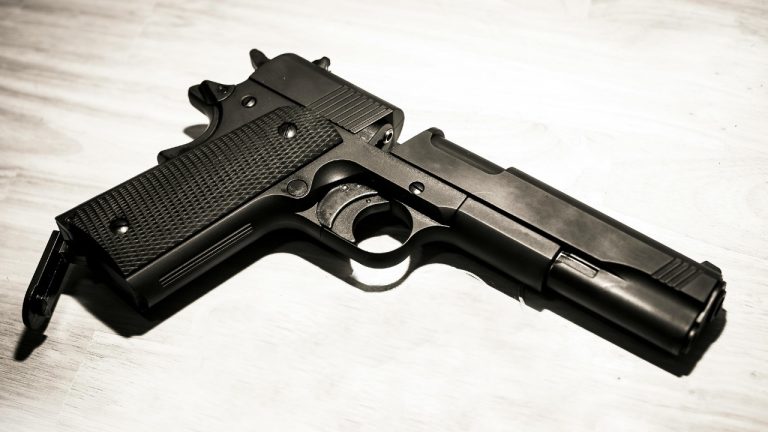
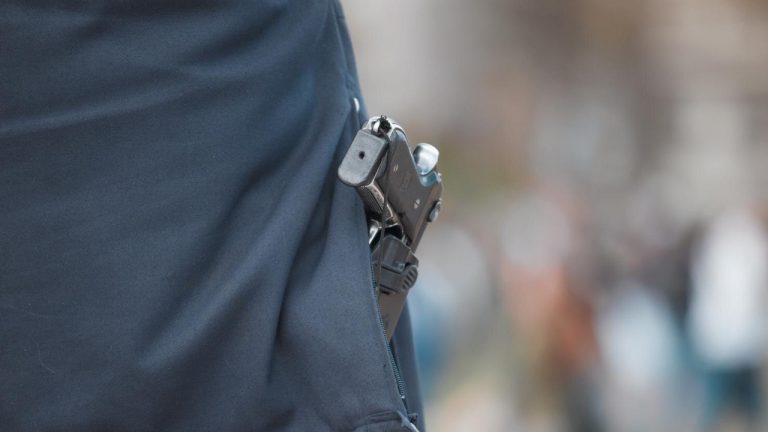
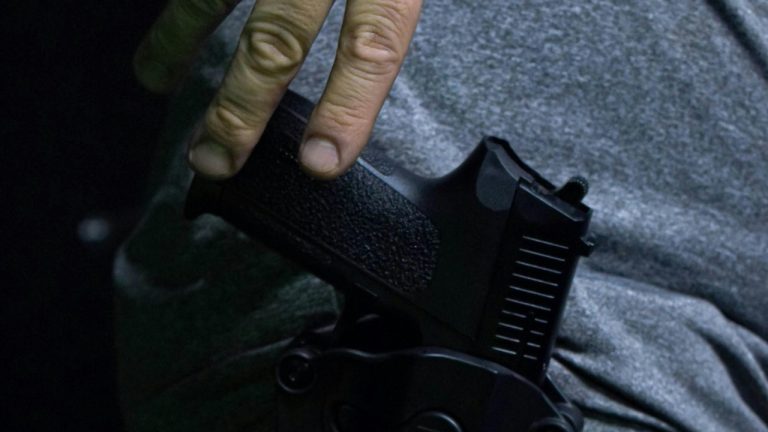
Caliber consolidation also keeps training and logistics manageable. Rather than juggling a dozen different magazines and spare parts, many preppers build a three or four gun core that covers concealed carry, close defense, and longer range protection, exactly the kind of layered setup described in guidance that urges planners to think carefully about their overall defense setup and build a three or four gun arsenal that can handle riots, natural disasters, or other events. Within that framework, the “six proven firearms” concept usually means a compact 9 mm handgun, a duty-sized 9 mm, a .22 pistol, a .22 rifle, a 12 gauge shotgun, and a mid-caliber rifle, all riding on ammunition types that remain widely traded even when shelves are thin.
Older designs, familiarity, and why new does not always mean better
Another reason many preppers keep returning to a small set of classics is that older designs have already proven how they behave under stress. In one exchange, Adrian Macias is urged not to let nostalgia drive decisions, with a commenter reminding him that one modern firearm with better ergonomics can outperform a sentimental favorite if the shooter actually trains with it, a point that reflects the tension between tradition and capability. Yet in the same thread, Adrian Macias as author pushes back, arguing to Jason Pharez that old gun are more reliable than modern ones, with better quality and material, and that only guns and ammo that have already seen hard use inspire real confidence when things go wrong.
Security professionals echo that preference for what they already know. When asked why they sometimes favor older weapon designs, some point to several practical factors such as deep familiarity with controls, long-term performance records, and the ability to find spare parts in almost any armory. For preppers, that mindset translates into favoring long-running platforms like pump shotguns and basic semi automatic rifles over cutting edge modular builds that may require specialized tools or proprietary components. The six gun approach leans heavily on that familiarity, prioritizing platforms that a shooter can run almost on autopilot in the dark, under pressure, and with limited maintenance.
Six roles, not six model numbers: how preppers actually structure their kits
Seasoned planners tend to think in roles rather than brand names. One influential breakdown from a discussion with 89 comments describes the ideal mix as something small and concealable on your person for ranges under 25 yards, something that can defend a home or camp at intermediate distance, and a rifle that can reach further if needed. That logic naturally grows into six roles once hunting, small game, and training are added: a concealable handgun, a duty handgun, a .22 pistol, a .22 rifle, a shotgun, and a centerfire rifle. Each slot can be filled with any number of makes and models, but the tasks do not really change.
Commercial guides aimed at preparedness audiences describe similar structures. One detailed overview of what makes a firearm good for preparedness defines a good prepper gun by its ability to provide defense by stopping a threat quickly and predictably, to accept commonly available ammunition, and to be run safely by people who do not have the tolerance some long guns require. That same source highlights handguns as accessible and practical for daily carry, with long guns reserved for when there is time and space to stage them. Within that framework, the six gun pattern is less about collecting and more about ensuring that every likely scenario, from a break in to a hunt for small game, has at least one dedicated tool.
Why shotguns and .22s keep beating flashier options
When preppers list specific examples of their “must keep” firearms, two categories appear again and again: 12 gauge shotguns and .22 long rifle guns. A popular wilderness survival creator, for instance, calls a Remington 870 12 gauge his go to wilderness gun and praises how birdshot, buckshot and slugs mean great versatility, using that 870 pattern as a single tool for birds, deer, and defensive work. Survival oriented guides go further, arguing that a good shotgun might be the most versatile firearm on the market and that different loads let one gun cover hunting, security, and even less lethal roles, which explains why so many six gun lists reserve at least one slot for a pump 12 gauge.
On the other end of the power spectrum, advocates for .22 long rifle repeatedly emphasize its practicality for training and small game. One detailed breakdown of 10 Reasons to have a 22 LR Firearm for Survival notes that the cartridge is light, quiet compared with larger rounds, and extremely effective on small animals, and that a .22 is often more about shot placement than caliber in close quarters. For preppers, that translates into a .22 rifle and sometimes a .22 pistol as two of the six core guns, since they allow thousands of rounds of practice and hunting ammunition to be stored in the same space that a few boxes of centerfire cartridges would occupy.
Home defense, deterrence, and why six proven guns often beat one custom build
Inside the home, preppers are not just thinking about ballistics but also about psychology and legal risk. One detailed analysis of the Benefits of Firearms for Home Defense explains that the mere presence of a firearm can create a deterrent effect that discourages intruders, while also giving homeowners a last resort option in dire situations. That same guidance cautions that any defensive plan must balance stopping power with safe backstops and controllability, which is why many preppers favor familiar pump shotguns and moderate recoil carbines over ultra light, high pressure rifles that are harder to manage indoors.
At the same time, enthusiasts in more hobby focused spaces point out that some shooters love to tinker. One discussion compares custom firearms to custom PCs, asking why someone would not simply buy a complete setup if companies can build it for them, and answering that just as some people refuse to buy a generic Dell desktop, others want to tune every part of a gun, because one size does not fit all and because the process is a fun hobby that teaches the ins and outs of the platform. Preppers are often more conservative. Advice aimed at them stresses that it is important you consider your defense setup with a three or four gun arsenal that can serve many roles, rather than chasing a single hyper specialized build, and that by all means this barrel or that accessory can be solid and geared for combat, but reliability, parts availability, and simplicity matter more when the goal is survival rather than competition.

Leo’s been tracking game and tuning gear since he could stand upright. He’s sharp, driven, and knows how to keep things running when conditions turn.