Why reliability still matters more than features in a carry pistol
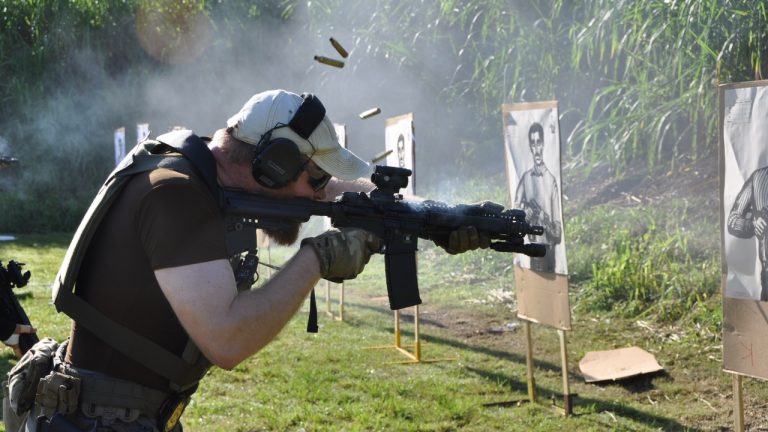
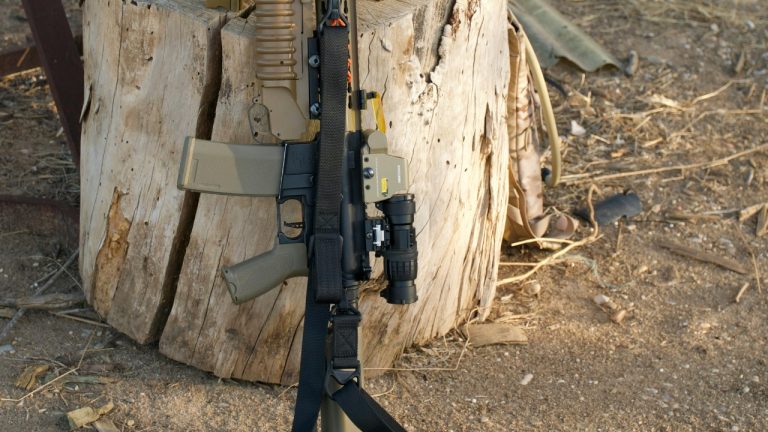
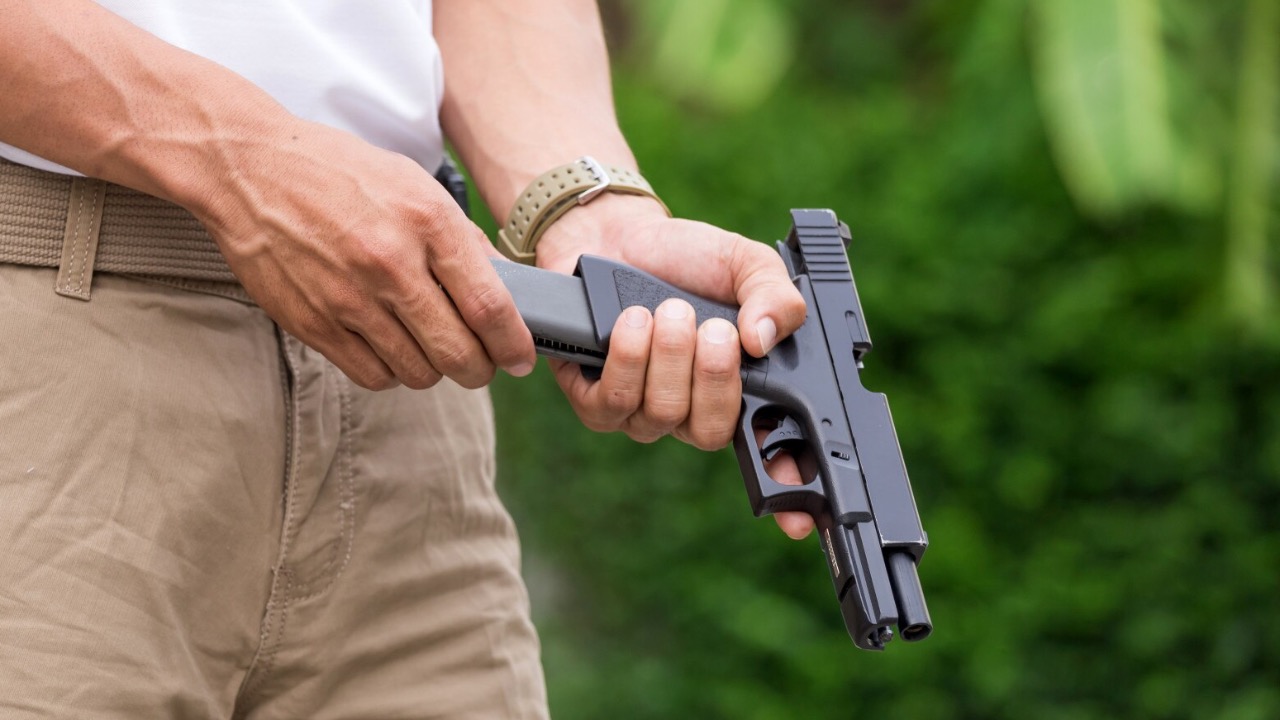
Shiny triggers, optics and clever slide cuts sell a lot of pistols, but none of those extras matter if the gun does not fire when a life is on the line. For a carry pistol that may be drawn once in a lifetime and fired only a handful of times, reliability is not just one feature on a checklist, it is the foundation that makes every other feature relevant. The difference between a reliable defensive handgun and a finicky one is the difference between a tool and a liability.
Why reliability sits at the top of the list
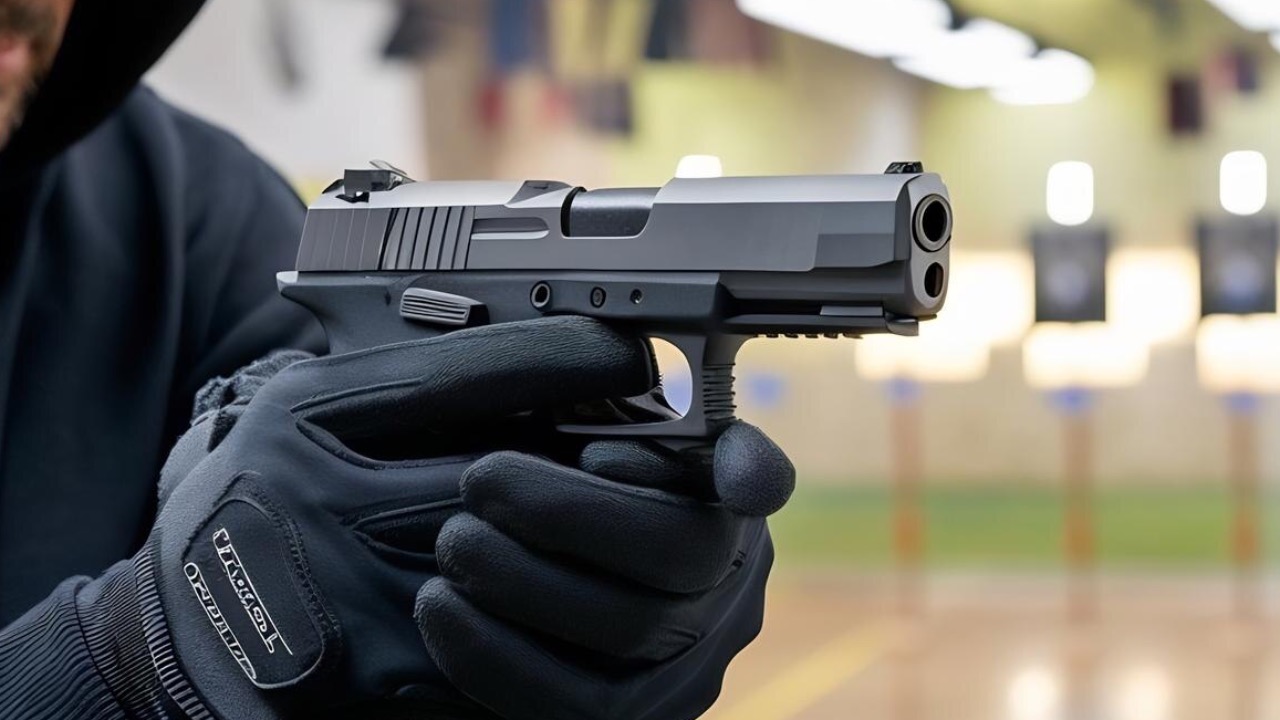
Experienced defensive shooters tend to agree on one priority. As one guide to defensive handguns puts it, the first requirement is simple: Reliability, It Must. That phrase captures the basic truth that a carry pistol is not sporting equipment, it is emergency gear. If it fails once at the wrong moment, there is no second attempt.
The same source notes that when people who carry guns daily are asked what matters most, the answer is reliability, not capacity, not finish and not the latest accessory rail. That hierarchy reflects the realities of personal defense, where the shooter may be surprised, injured or fighting in low light. Under those conditions, the pistol has to function with imperfect grip and less than ideal maintenance. A gun that is slightly harder to shoot but fires every time gives a defender options, while a gun that is easy to shoot but occasionally chokes removes them.
Another analysis of personal defense stresses that preparation is a mix of training, awareness and equipment, but the tool itself must be trusted. It argues that confidence in a handgun that has proven dependable is essentially an investment in peace of mind, because the user is not second guessing the gear while trying to solve a threat. That perspective on why handgun reliability reflects what working professionals and serious civilians repeat in classes and after-action reports.
What “reliable” actually means in a carry gun
People often talk past each other when they use the word reliable. One detailed video discussion on the subject points out that shooters may be describing different standards entirely when they throw the term around. In that breakdown of truth about firearm, the presenter explains that design, ammunition choice, maintenance and even how the gun is gripped all affect whether a pistol will cycle correctly. A pistol that runs flawlessly with one brand of defensive ammunition may stumble with another, even if both are high quality.
Reliability for a carry pistol therefore means more than surviving a quick range trip. It means the gun has been fired with the exact ammunition that will be carried, in realistic strings of fire, from the holster and with the shooter slightly fatigued. It means the magazines have been tested and marked, the springs have not been run to failure and the pistol has been shot enough that early manufacturing defects would likely have appeared. A gun that has fired only a single box of ammunition without malfunction has not yet proven anything meaningful.
Some instructors recommend a specific testing threshold before a handgun earns a place on the belt. One defensive carry guide suggests putting at least several hundred rounds through a new pistol, including a healthy number of the chosen defensive load, before trusting it. In that context, the author notes that a shooter should be willing to invest that time and ammunition because a future life may depend. That standard may seem high to casual owners, but it reflects how unforgiving real defensive encounters can be.
Features that quietly erode reliability
Many popular upgrades promise better performance, but some carry hidden costs. A detailed critique of modern pistol design lists a long set of add ons that can introduce new failure points. In that review of handgun features that, the host highlights parts like overly lightened slides, complicated trigger systems and magazine extensions that change the timing of the gun. Each modification can shift how the pistol feeds, extracts or locks back, and small changes in timing can produce stoppages that did not exist in the stock configuration.
Optics are another example. A focused explanation of whether a handgun red dot affects reliability notes that mounting a sight on the slide of a .22 caliber pistol can change the slide’s mass and movement. In some cases, that extra weight is enough to cause failures to eject or feed, particularly with ammunition that is already on the edge of cycling the action. The video on how a handgun stresses that this is most pronounced on marginal platforms, but it illustrates a broader point. Every extra part has to be driven by the same recoil impulse that previously moved only the bare slide.
Aftermarket internals can create similar issues. In a short tip aimed at concealed carriers, Miles warns about dropping non factory parts into a pistol without serious testing. He explains that even small changes, like a different connector or striker spring, can alter how consistently the gun fires. His reminder about after market parts is that convenience upgrades should never outrun the owner’s willingness to verify that the gun still runs with carry ammunition. For a pistol that may be used defensively, novelty should come second to proof.
Why defensive context changes the equation
On a square range, a malfunction is a learning moment. In a parking lot or hallway, it is a window of vulnerability. That difference is why defensive trainers and legal protection programs put reliability at the center of their advice. A guide to concealed carry guns explains that if a pistol chokes on the first magazine or fails to fire when needed, the user is left trying to clear a stoppage while someone else controls the timeline. The section on Why Carry Guns makes the point that fumbling with a malfunction when milliseconds matter is a poor trade for any accessory.
Response times also matter. An analysis of police response argues that there is a crisis in how quickly officers can reach people who call for help. That discussion of crisis in response reinforces why a citizen who carries a pistol is planning for the minutes before help arrives, not trying to replace law enforcement. In those minutes, the only defensive tool available must work as intended.
Real world accounts from people who carry daily echo this logic. In a discussion thread on personal tolerance for reliability, one commenter describes a carry gun that occasionally choked during matches but could be cleared with a quick rack. That shooter eventually stopped worrying about it in competition, but the conversation in the Comments Section shows that many carriers are far less forgiving when the same pistol is on their belt in public. The stakes are different when there is no buzzer and no range officer.
How much testing is enough
There is no universal round count that magically certifies a pistol as dependable, but patterns emerge in expert advice. One defensive handgun guide suggests a baseline of several hundred rounds, including a significant number of the chosen hollow point load, before trusting a new gun. Another source, which repeats the priority of Reliability, It Must, points to research on handgun performance that found even well regarded models can show early defects. The implication is that a short shakedown is not enough.
Some shooters adopt even more conservative standards. In a long form discussion about choosing a carry pistol, one experienced voice describes shooting an initial 100 rounds of basic ammunition, then another 900 rounds of mixed practice and defensive loads, and still refusing to carry the gun until it has fired the preferred hollow point without any malfunction. The reference to 900 rounds is not a magic number, but it illustrates a mindset. The shooter is willing to invest time and money into proving the gun before betting a life on it.
Online communities also debate what standard feels acceptable. In a thread on the most important considerations for an everyday carry gun, one commenter named Mfee argues that the key question is, “Can I shoot it accurately under stress?” and another adds that this is THE most important consideration because “Only hits count.” That exchange in the Can I shoot thread reflects a real tension. Reliability and shootability are both vital, but if the gun does not fire, accuracy is irrelevant.
Size, comfort and the reliability trade
Concealed carry involves compromise. Smaller pistols are easier to hide and more comfortable to carry, but they can be harder to shoot well and more sensitive to ammunition and grip. A Quora discussion on the trade offs between size and reliability features Kevin Buller, who is identified as a Police Officer and Author with 1K answers. Kevin Buller writes, “Well, as far as I am concerned Reliability is the most important factor,” when weighing compactness against function. His comment in the Well, Reliability thread captures the view from someone who has seen real violence.
Guides aimed at new carriers echo that message. One overview of concealed carry guns stresses that a defensive pistol must be both reliable and easy to handle. The section titled Jan, Why Carry Guns Must Be Reliable and Easy, Handle explains that a gun that is too small can be difficult to control, while one that is too large may be left at home. The advice is to find the largest pistol that the user can conceal consistently, then confirm that it runs with carry ammunition and that the shooter can operate it under stress.
Social media channels associated with legal defense providers and training companies reinforce this balance. Feeds connected to Right To Bear, such as Essential Guide and related platforms, regularly mix posts about gear with reminders about legal responsibility and the need for training. The message is that hardware choices matter, but they sit inside a larger system that includes mindset, practice and understanding of local law.
Why the boring gun often wins
In an era of modular pistols and endless aftermarket options, the most reliable carry gun is often the least exciting. It might be a mid sized polymer pistol with factory sights, a standard trigger and no external modifications. It may lack the personality of a custom build, but it has one advantage that matters more than style. It has already fired hundreds of rounds of the chosen defensive ammunition without a single failure.
Legal defense organizations and training partners, such as those highlighted through info resources and community pages, tend to promote that kind of conservative approach. Their focus is not on winning gear contests but on keeping members out of avoidable danger. The same philosophy appears in commentary networks like Fideri News Network and in personal defense essays linked through Breaking AC newsletters, where the theme is preparation rather than fashion.

Leo’s been tracking game and tuning gear since he could stand upright. He’s sharp, driven, and knows how to keep things running when conditions turn.