Why simple gear often outperforms expensive setups in the field
Out in the field, complicated gear has a way of revealing its flaws. Batteries die, menus confuse, straps break and tiny parts vanish into the dirt. Simple, durable equipment keeps working when conditions turn wet, cold or chaotic, which is why experienced hunters, hikers and guides often reach for basic tools instead of the most expensive, feature packed setups.
The appeal of minimal, reliable gear is not nostalgia. It is a response to what actually fails under stress, from overengineered watches and ultralight packs to boutique camouflage systems that promise more than they deliver once the weather shifts or the terrain gets rough.
What happened

In recent years, outdoor brands have pushed high priced, highly technical systems into almost every corner of field use. A simple steel watch that once tracked time and maybe the date now competes with GPS enabled, solar charging, multisport computers. Yet many field testers still single out straightforward analog and basic digital models as the most trustworthy choice when electronics are likely to be abused or submerged.
Evaluations of current field watches show that the top performers tend to share the same traits: clear dials, steel or titanium cases, reliable quartz movements and minimal extra functions. Reviewers routinely highlight models that forgo smart features in favor of shock resistance, legible numerals and easy strap changes, noting that these simpler watches keep functioning after repeated impacts and immersion where more complex designs fail. Lists of the best options for backcountry use continue to favor traditional field layouts and rugged construction, even when they sit beside far more expensive connected devices, reinforcing the idea that straightforward engineering still wins when failure is not an option, as seen in recent testing of field watches.
The same pattern appears in clothing systems. Technical hunting apparel has become a status symbol, with head to toe kits from premium brands often costing more than a rifle and optic combined. Side by side comparisons of popular systems from companies such as Kuiu and Sitka show that both offer advanced fabrics, mapped insulation and intricate layering schemes. Yet testers repeatedly find that the real performance difference in the field comes from basic factors like fit, quiet fabric and how well pieces handle sweat and rain, not from the most exotic textile or the highest price tag. Analyses of Kuiu versus Sitka gear emphasize that users can build effective systems by choosing a few versatile layers instead of buying every specialized item in a catalog.
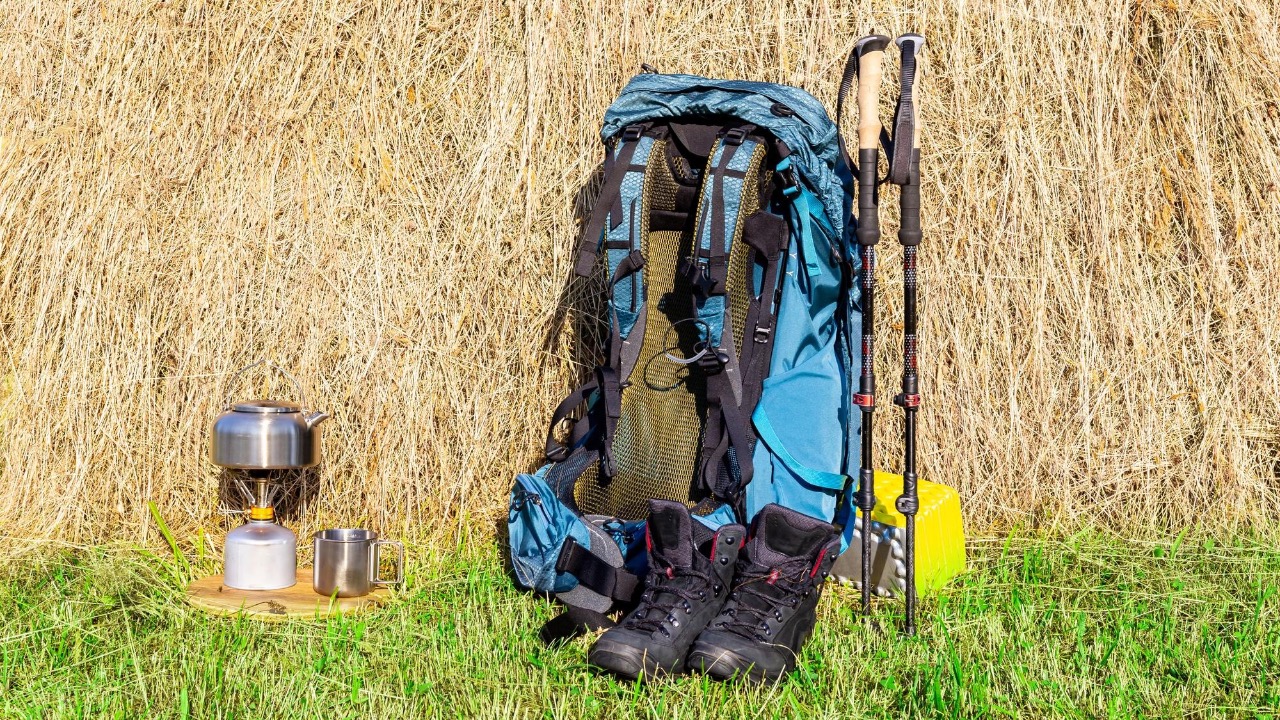
Guides and working professionals provide similar feedback on packs and load bearing gear. Simple internal frame packs with durable zippers and proven harness designs often outlast modular systems covered in straps, zips and pockets. When a waist belt buckle snaps or a zipper fails miles from the trailhead, all the clever organization in the world cannot compensate for a basic structural weakness. Over time, many professionals quietly revert to plainer packs and chest rigs that emphasize stitching quality and ease of repair over novelty.
Why it matters
For anyone who spends serious time outside, gear is not decoration. It is a safety system. When a single broken component can end a trip or create a survival situation, reliability becomes more valuable than any extra feature. Simple gear often wins because there are fewer points of failure, fewer settings to misconfigure and fewer parts that depend on ideal conditions to work.
Cost plays a major role. High end, feature rich gear can deliver real advantages in narrow scenarios, but it also encourages overbuying. New hunters or hikers see marketing that implies they need a full matching system before they can be effective. In reality, a modestly priced, well fitting set of rain gear, a warm midlayer and a breathable base often performs as well as a much more expensive kit, provided each piece is chosen for durability and comfort. Money saved on unnecessary complexity can instead go toward travel, tags or training, which often improves field outcomes more than another zippered pocket or proprietary fabric.
Cognitive load is another issue. Complex gear demands attention. Multi mode headlamps, GPS watches with nested menus and packs with dozens of compartments all require the user to remember settings, charging routines and packing schemes. Under stress or fatigue, those mental tasks compete with navigation, weather assessment and safety decisions. Simple tools reduce that burden. A compass that always points north, a map that never runs out of battery and a watch with a single crown do not require firmware updates or menu navigation. They free the user to focus on terrain and conditions.
Field performance data consistently shows that moisture, cold and impact are the primary threats to equipment. Simpler designs are easier to seal against water and easier to insulate against temperature swings, and they can be built with thicker materials without worrying about squeezing in extra electronics. When a watch has no microphone or speaker ports, for example, it can use a solid caseback and crown seals that shrug off repeated immersion. When a jacket has fewer seams, it has fewer potential leak points and is easier to maintain with seam sealer or tape.
There is a cultural angle as well. Expensive, intricate setups create a psychological barrier for newcomers. If the perceived entry cost for backcountry hunting or multi day backpacking is a fully dialed, brand matched system, many people will simply stay home. Highlighting how often simple, midrange gear outperforms exotic setups can lower that barrier and encourage more participation, which in turn supports conservation funding and healthy outdoor communities.
For seasoned users, the shift back to simplicity often comes after hard lessons. A failed ultralight stove in freezing rain or a dead smartwatch during a long bushwhack tends to recalibrate priorities. Those experiences build a quiet respect for redundancy and analog backups. A basic field watch paired with a paper map and a simple compass weighs little, costs far less than a premium navigation watch and still works when electronics do not. In that sense, simple gear is not a step backward; it is a form of risk management.
What to watch next
As outdoor technology continues to advance, the tension between complexity and reliability will only grow. Manufacturers are already pushing more sensors, connectivity and software into watches, optics and clothing. The key question is whether they can integrate those features without compromising the traits that matter most in harsh conditions: durability, clarity and ease of use.
One trend worth watching is the blending of traditional designs with selective modern upgrades. Some field watches now pair classic analog layouts with solar charging or low power illumination that does not depend on frequent charging. Apparel brands are experimenting with simpler, modular layering systems that use advanced fabrics but keep silhouettes clean and feature sets restrained. If these hybrids succeed, they could offer a middle path that preserves simplicity while still taking advantage of genuine innovation.
Consumer behavior will shape this evolution. As more buyers pay attention to long term reviews, failure reports and warranty data, marketing claims about cutting edge features will face tougher scrutiny. Guides, military users and search and rescue teams already serve as informal test labs, and their preferences often drift toward gear that can be repaired in the field and used intuitively by anyone on the team. If that feedback filters into mainstream buying decisions, companies will have strong incentives to prioritize straightforward, repairable designs.
There is also likely to be a growing market for education around gear selection. Instead of pushing full premium systems, some retailers and instructors are beginning to emphasize skill based approaches that help users identify the minimum effective kit for a given mission. That shift favors simple gear, because it frames equipment as a tool that supports competence rather than a shortcut that replaces it. As more people learn to evaluate tradeoffs between features, weight, cost and failure modes, the appeal of stripped down, proven designs is likely to increase.

Leo’s been tracking game and tuning gear since he could stand upright. He’s sharp, driven, and knows how to keep things running when conditions turn.