Why Some Firearms Feel Reliable From the Very First Range Trip
Some firearms give a strong sense of reliability right away, even on the first range trip. That feeling usually comes from how smoothly the gun cycles, how predictable the recoil feels, and whether it functions without stoppages during early use. While break-in periods are common with many mechanical systems, certain designs tend to feel “settled” almost immediately.
That early impression often shapes how people view a firearm long-term. If it runs clean, feeds consistently, and doesn’t require constant adjustment from the start, users tend to trust it more quickly. That trust isn’t just emotional — it’s usually tied to design simplicity, manufacturing consistency, and how well the firearm is tuned before leaving the factory.
Simple mechanical design reduces early issues
One of the biggest reasons some firearms feel reliable right away is mechanical simplicity. Fewer moving parts means fewer chances for early friction points or timing issues between components. Systems like striker-fired pistols or pump-action shotguns often fall into this category because their operation is straightforward.
When a design avoids unnecessary complexity, it also reduces the number of variables that need to “settle in.” That’s why some firearms function smoothly even before any extended break-in period. It’s not that they improve instantly — it’s that there’s less that needs adjustment in the first place.
Manufacturing consistency plays a major role
Factory quality control has a direct impact on how a firearm performs during its first use. Tight tolerances, proper fitting, and consistent finishing can make a gun feel smooth and dependable right out of the box.
Small differences in machining or assembly can change how a firearm behaves early on. When everything aligns properly from the start, cycling feels cleaner and there’s less resistance during operation. That creates the impression of immediate reliability, even before long-term wear-in occurs.
Ammunition compatibility affects early performance
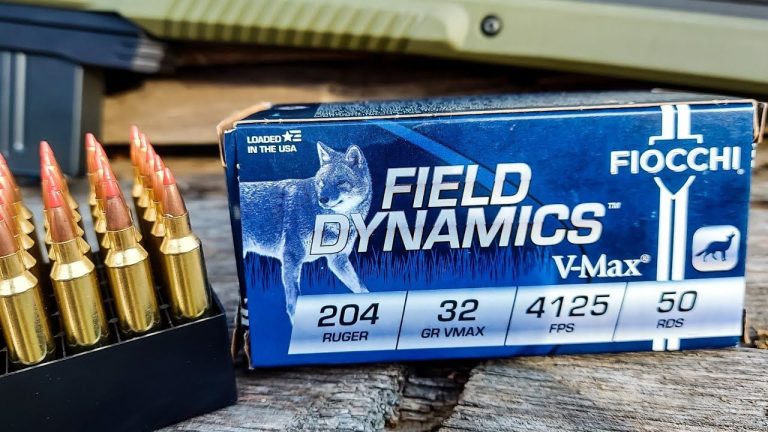
Another factor is how well a firearm handles different ammunition types during initial use. Some firearms are more forgiving with a wide range of loads, while others are more sensitive until they’ve been used more extensively.
If a gun cycles reliably with standard ammunition on day one, it tends to build confidence quickly. On the other hand, early malfunctions often come down to ammo selection rather than the firearm itself, especially during first range sessions when users are still testing what works best.
Ergonomics and handling shape perception
How a firearm feels in the hand also influences perceived reliability. If the grip, balance, and controls feel natural, users tend to shoot more consistently, which can reduce user-induced errors like limp-wristing or poor cycling technique.
That smooth handling experience can make the firearm seem more dependable than it technically is in mechanical terms. In reality, part of “reliability” at the start is also about how easily the user can operate the system without mistakes.
Early cleaning and lubrication matter more than people expect
Many firearms are shipped with factory oils or protective coatings that aren’t ideal for immediate use. A quick initial cleaning and proper lubrication can significantly improve first-trip performance.
When a firearm is set up correctly before firing, it’s more likely to cycle smoothly and avoid early hiccups. That’s why experienced users often emphasize preparation before the first range visit — it can make the difference between a rough start and a smooth experience.
Real reliability develops over time
Even if a firearm feels perfect on day one, long-term reliability is still proven through repeated use. Early performance is just the first data point. Heat cycles, fouling, and wear patterns over time give a clearer picture of how a system actually holds up.
Still, that first impression matters. A firearm that starts strong often continues to perform well because the underlying design and build quality are already working in its favor from the beginning.

Leo’s been tracking game and tuning gear since he could stand upright. He’s sharp, driven, and knows how to keep things running when conditions turn.