Why Some Knives Feel Right the First Time You Use Them
The first time a knife disappears into your hand, cutting exactly where you expect without strain or hesitation, it can feel almost uncanny. That instant connection is not luck or mystique, it is the result of designers obsessing over how the human body meets steel, from the curve of the handle to the weight of the spine and the geometry of the edge. When I look closely at knives that “just work” on first contact, the same quiet design decisions keep showing up.
Ergonomics: the invisible handshake between hand and handle
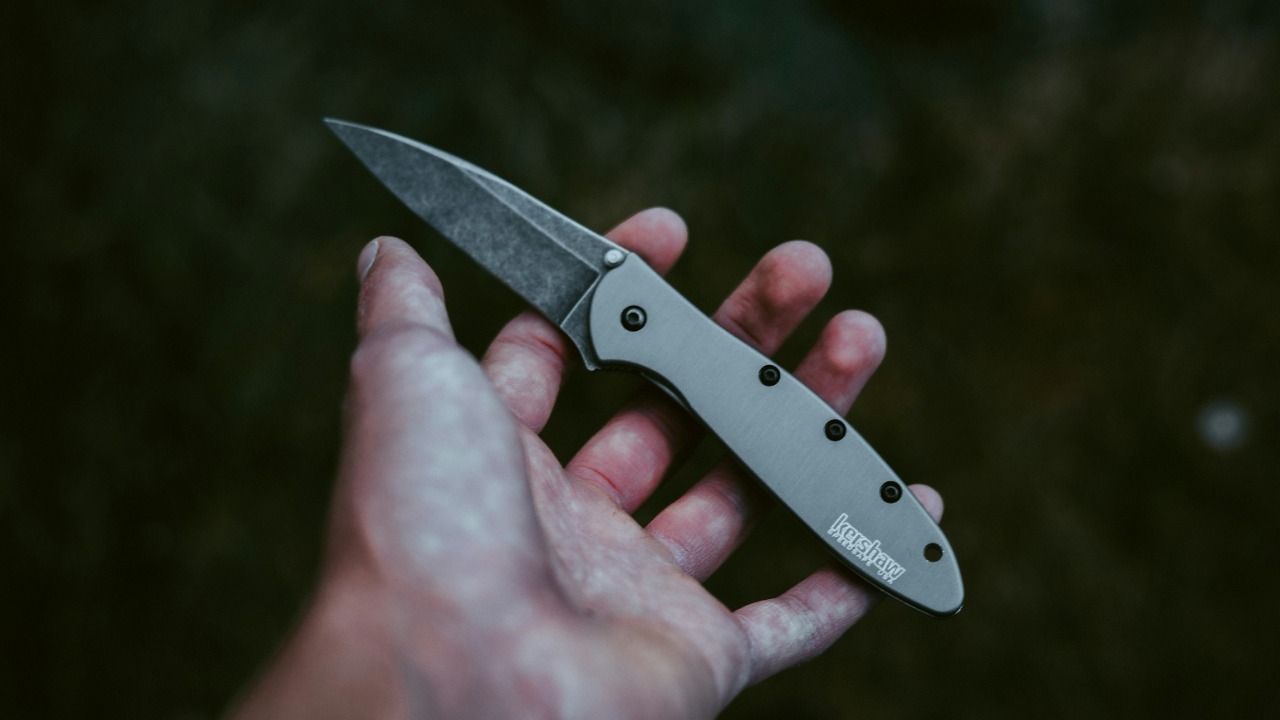
What people describe as a knife that “feels right” is usually ergonomics doing its job so well that it disappears. The most important contact point is the handle, where comfort begins long before the blade touches food, and where subtle shaping can prevent hot spots in the palm or fingers. Designers who treat ergonomics as central to knife design focus on how the user actually grips the tool in everyday carry, kitchen prep, or outdoor work, not just how it looks in a catalog photo.
In practice, that means mapping the natural curves of the hand and building the handle around them instead of forcing the user to adapt. A well considered profile supports the thumb and index finger, gives the remaining fingers a secure purchase, and keeps the wrist in a neutral angle that reduces strain over long sessions. When ergonomics is treated as a vital part of knife design, the result is a tool that not only feels intuitive but also lowers fatigue and the risk of slips, which is exactly what users are sensing when a knife seems trustworthy from the first cut.
Handle shape and contour: why some profiles vanish in your grip
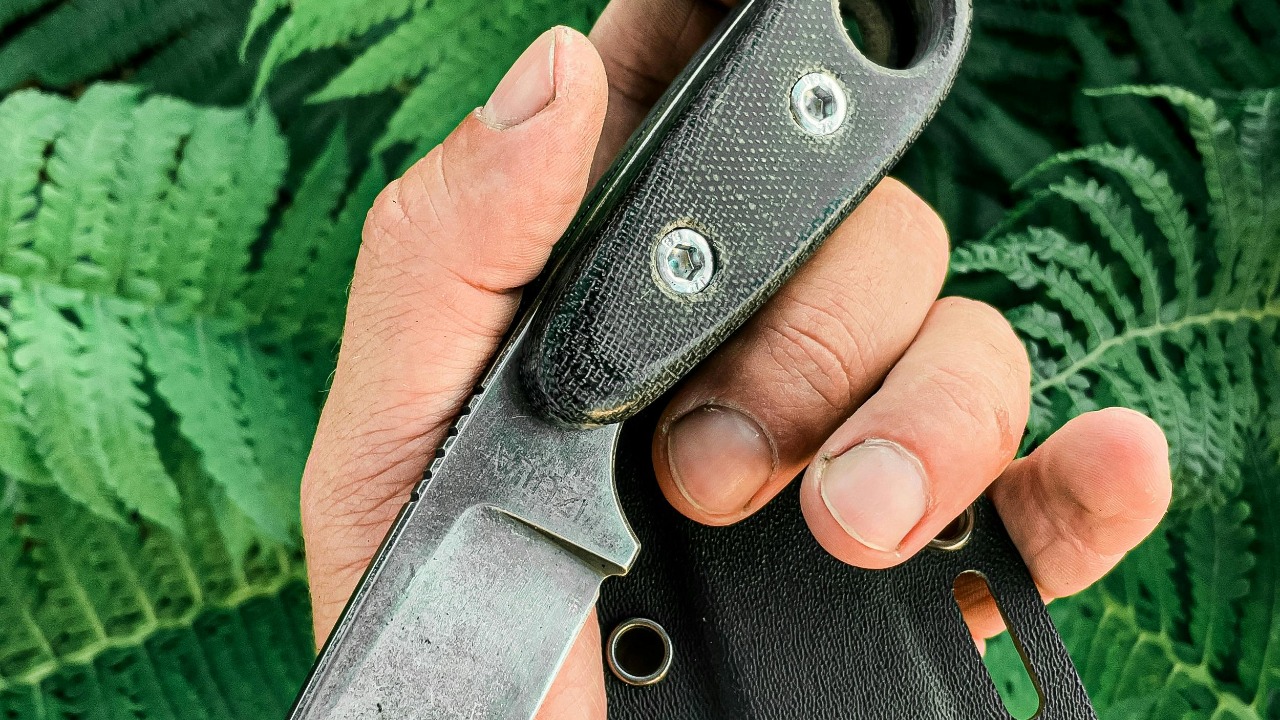
Once you move past the idea of “a handle is just a stick,” the importance of contour becomes obvious. The handle is the most critical part of a knife when it comes to ergonomics, and careful handle shape and can make the difference between a tool that rotates under pressure and one that tracks straight through a carrot or a rope. Subtle palm swells, tapered waists, and flared butts all work together to lock the hand in place without forcing a death grip, which is why some knives feel secure even when your fingers are relaxed.
Performance testing backs up what experienced cooks and outdoorspeople report anecdotally. The influence of handle shape on knife performance shows up in control, edge alignment, and the ability to make repeatable cuts without constant micro adjustments. When I pick up a knife that feels “right” immediately, it is usually because the designer has already done the ergonomic math, sculpting the handle so that my fingers naturally land where they should, whether I am using a full fist grip on a camp knife or a pinch grip on a chef’s knife.
Materials and texture: comfort, traction, and the role of wood
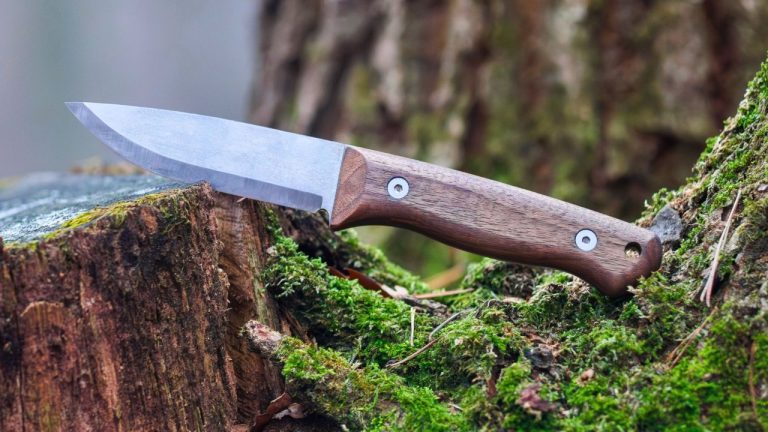
Material choice is the second half of the handshake. A handle that is perfectly shaped but too slick or too harsh will never feel intuitive. Wood remains popular because it combines warmth with micro texture, and the benefits of wood include aesthetics, comfort in the hand, and the ability to add fine texturing or traction elements that improve precision. Treated hardwoods, stabilized burls, and laminated woods can be tuned to resist moisture while still feeling organic rather than plasticky.
Texture is not just about grip in the abstract, it is about how much pressure you need to apply to keep the knife stable. Too little traction and you overcompensate by squeezing harder, which leads to fatigue, while overly aggressive checkering can create hot spots during long prep sessions. Designers who focus on ergonomics use texture to create control and stability without punishing the skin, which is why some knives feel planted and reassuring the moment you pick them up, even with wet or oily hands.
Balance: when the knife becomes an extension of your hand
Ask professionals why a favorite knife feels so natural and they will often talk about balance before they mention sharpness. A well balanced knife distributes weight so that the user has better control over the blade, which translates into smoother cuts and fewer surprises. If the center of gravity is too far forward, the tip dives and the wrist works harder to correct; if it is too far back, the blade can feel flighty and imprecise, especially in fine work.
Manufacturers describe knife balance as the relationship between the handle and blade, and a clear definition of knife balance helps explain why some tools feel like an extension of the hand. When the pivot point sits near the pinch grip on a chef’s knife or just ahead of the guard on a field knife, the user can change direction, rock, or chop with minimal effort. That is the sensation people are describing when they say a knife “disappears” in use, and it is no accident, it is the result of designers tuning thickness, tang construction, and handle density to hit a specific balance point.
Real-world preferences: what working cooks say about fatigue
Professional kitchens are brutal testing grounds for knife comfort, and the feedback from line cooks is blunt. In one discussion among chefs, a user posting as “austinchef” on Reddit argued that while balance matters, they care even more about a polished spine and choil so they do not get blisters from holding a pinch grip for 12 hours. That kind of comment underlines how small design decisions at the junction of blade and handle can make or break a knife in daily service.
Ergonomic specialists point out that comfort and control are directly tied to fatigue, and that a well designed handle can reduce strain over long shifts. When ergonomics is treated as a way of delivering precision and efficiency, the result is cleaner cuts and more consistent performance, even at the end of a long night. From what I see in professional kitchens, the knives that win loyalty are the ones that combine decent balance with thoughtful finishing where fingers actually rest, which is exactly what users are reacting to when a tool feels “right” on day one and still feels right after hundreds of covers.
Blade geometry: why some knives glide and others fight back
Comfort is not only about what your hand feels, it is also about how the blade moves through material. Blade geometry refers to the physical design elements of a blade, including its shape, angle, thickness, and material composition, and these factors determine how easily it cuts. When blade geometry is tuned for the task, a thin, tapered edge will glide through food or fiber with less resistance, which the user experiences as smooth, predictable motion rather than stuttering or wedging.
Kitchen specialists note that blade geometry and food release are closely linked, and that a thin, tapered blade can reduce sticking and drag. That is why some chef’s knives feel like they are doing half the work for you, while others require constant force to push through dense vegetables. When I test a knife that feels intuitive from the first slice, it is usually because the designer has aligned edge angle, thickness behind the edge, and overall profile with the intended cutting style, so the blade tracks where my eyes expect it to go.
Designing for specific grips and tasks
Different users bring different habits to the cutting board or the workbench, and the knives that feel instantly natural are often the ones built around a clear use case. Makers who focus on ergonomic design talk about matching handle length, contour, and balance to common grips like the pinch, hammer, or saber grip. A compact everyday carry folder that feels perfect in a three finger hold will not necessarily translate to a comfortable chef’s knife, and vice versa, which is why purpose built tools tend to feel more intuitive than generic ones.
Kitchen focused brands emphasize that the handle is where the human meets the tool, and that the role of the handle is to provide a secure, comfortable interface that fits well in your hand. When designers treat kitchen knife handles as central rather than an afterthought, they can tailor the profile to the rocking motion of Western cooks or the push cuts favored in Japanese technique. From my perspective, the knives that feel “right” immediately are usually the ones whose designers had a specific user and motion in mind, instead of chasing a one size fits all silhouette.

Leo’s been tracking game and tuning gear since he could stand upright. He’s sharp, driven, and knows how to keep things running when conditions turn.